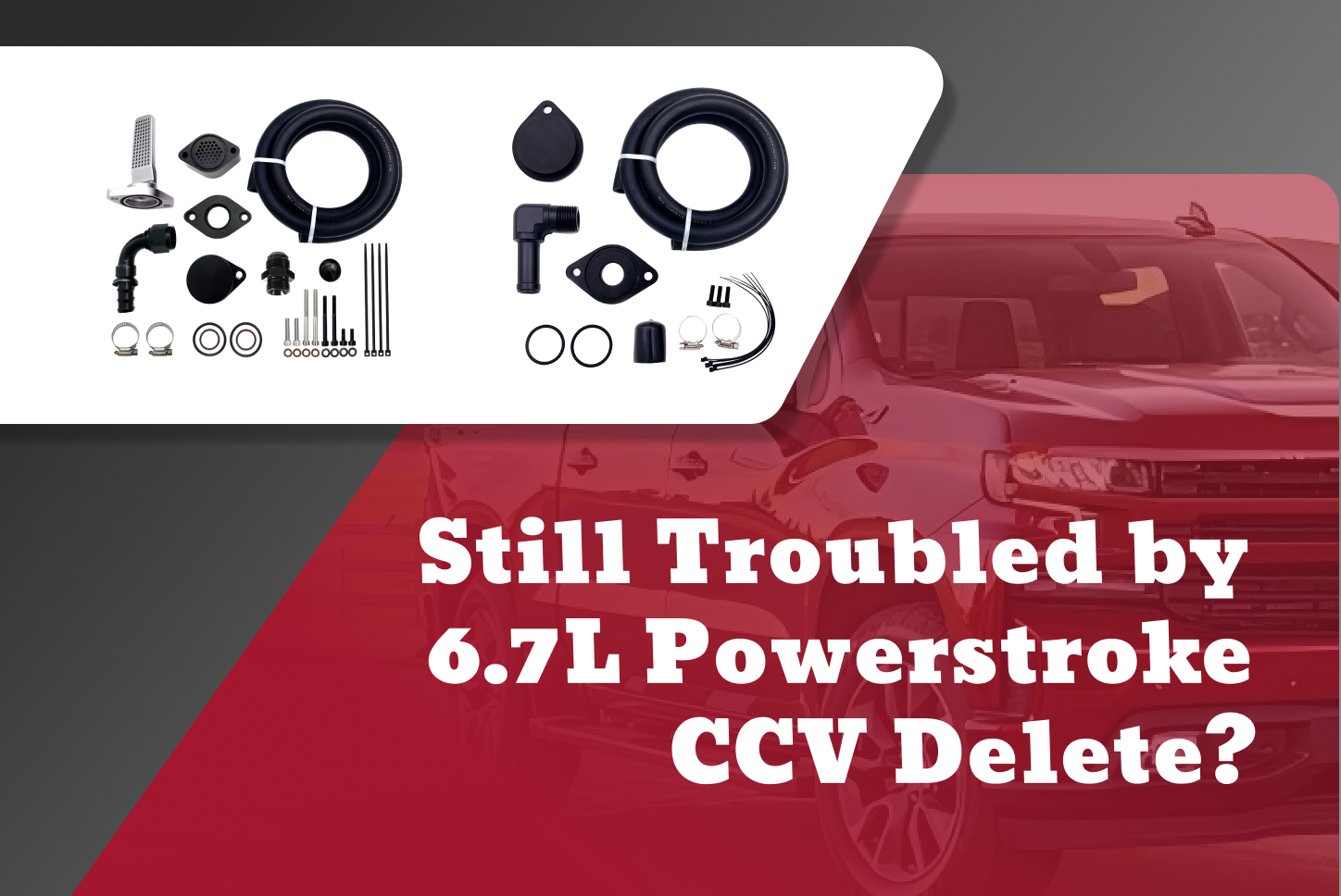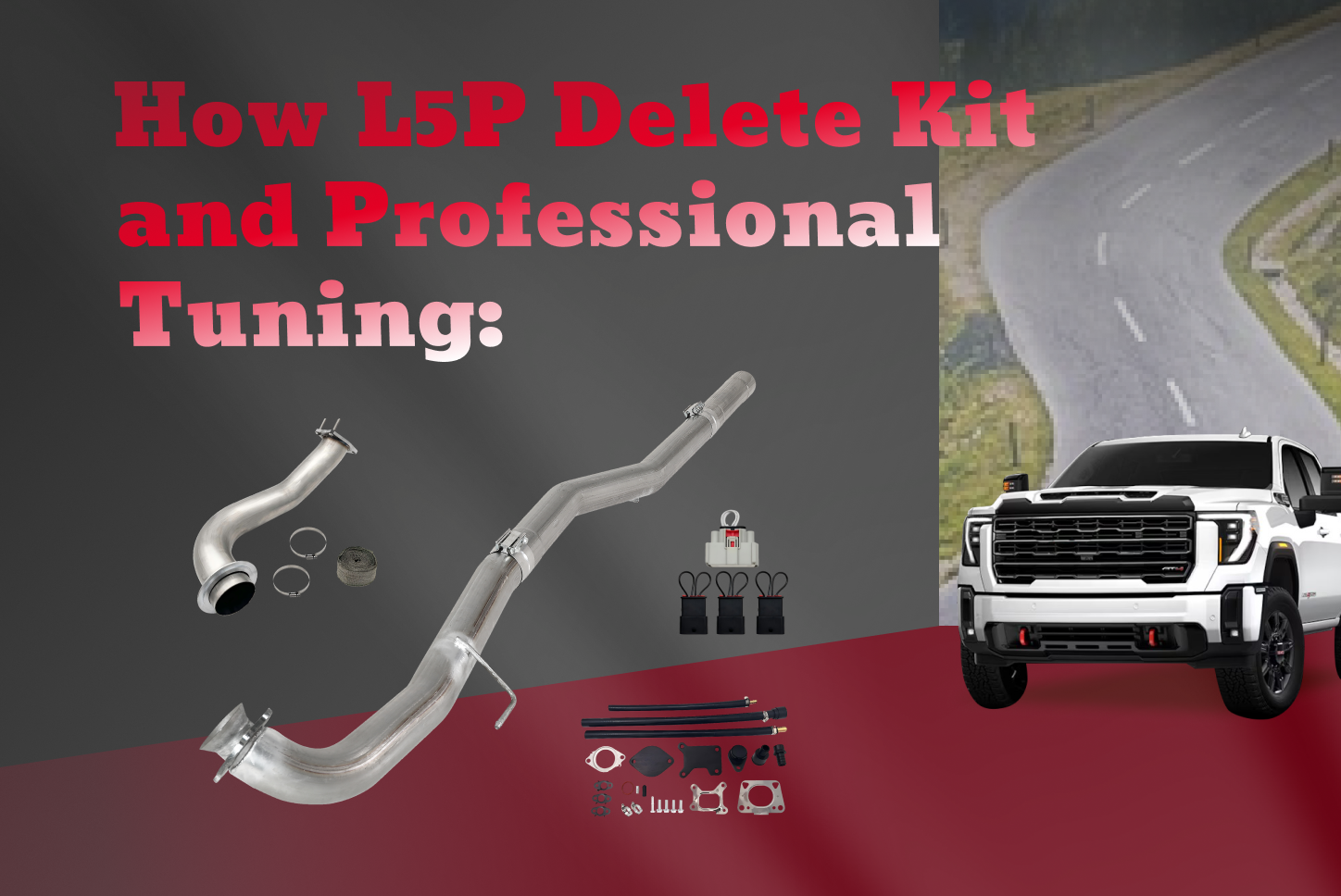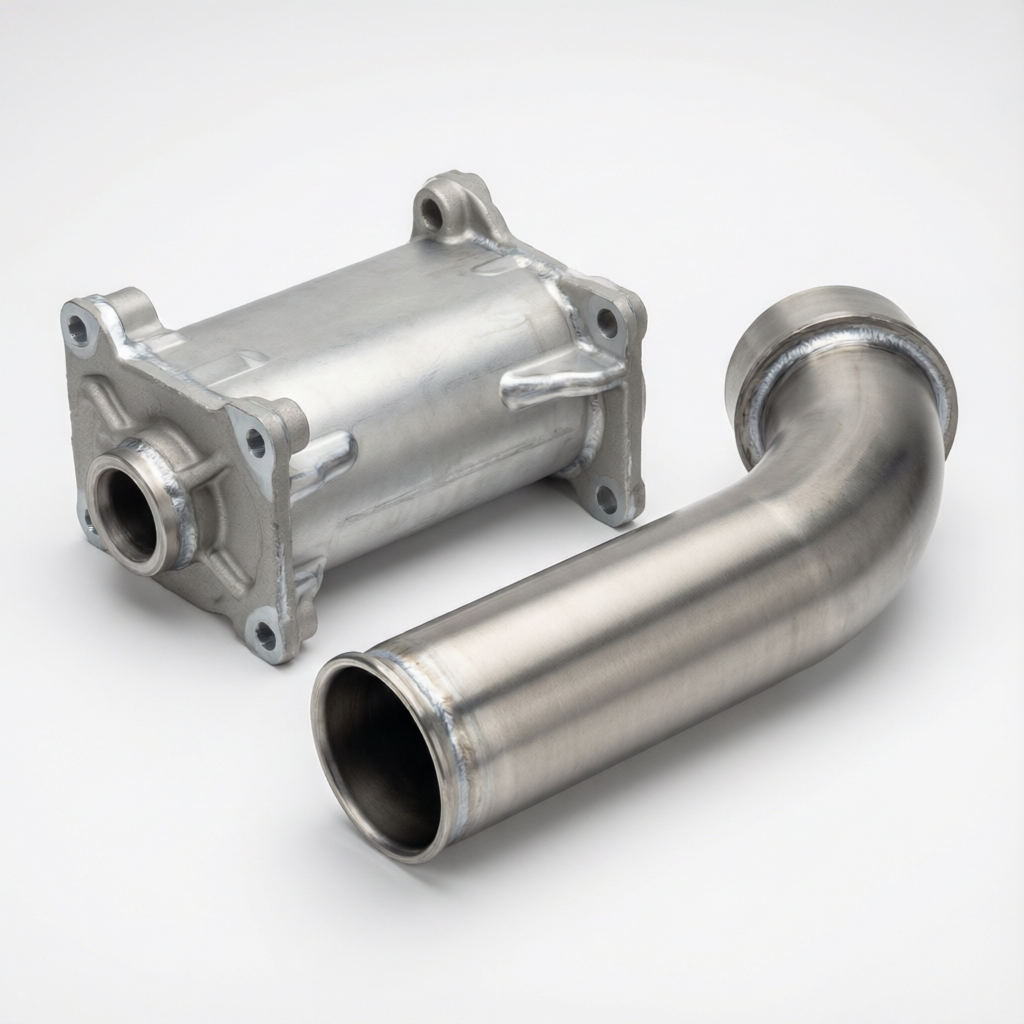
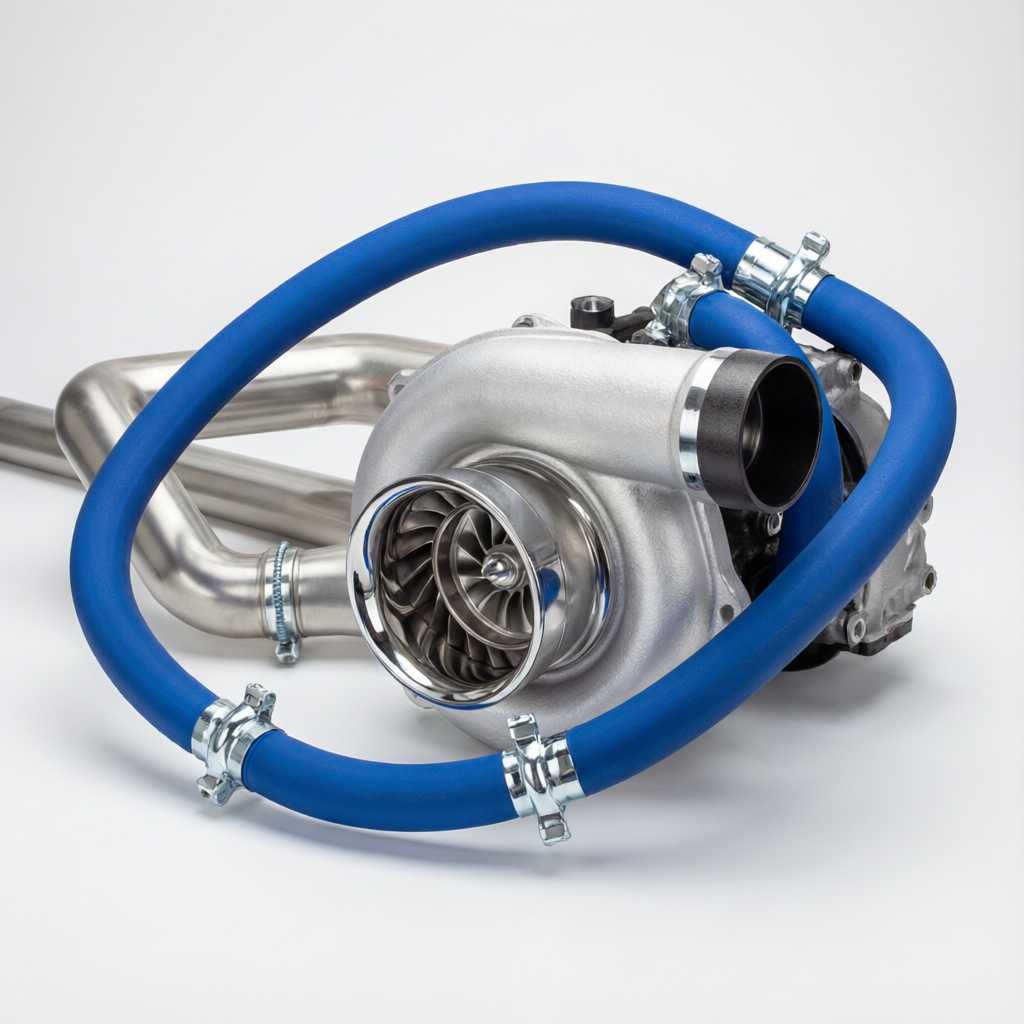
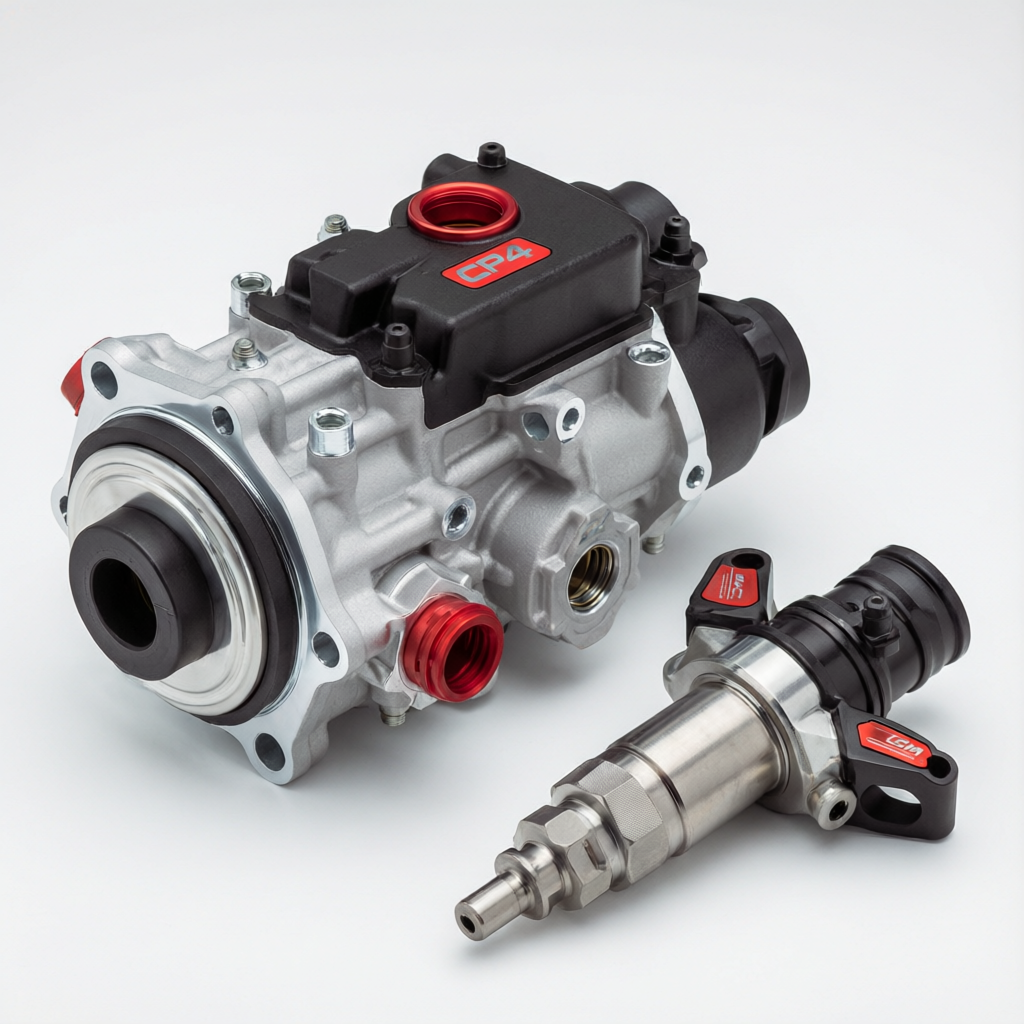
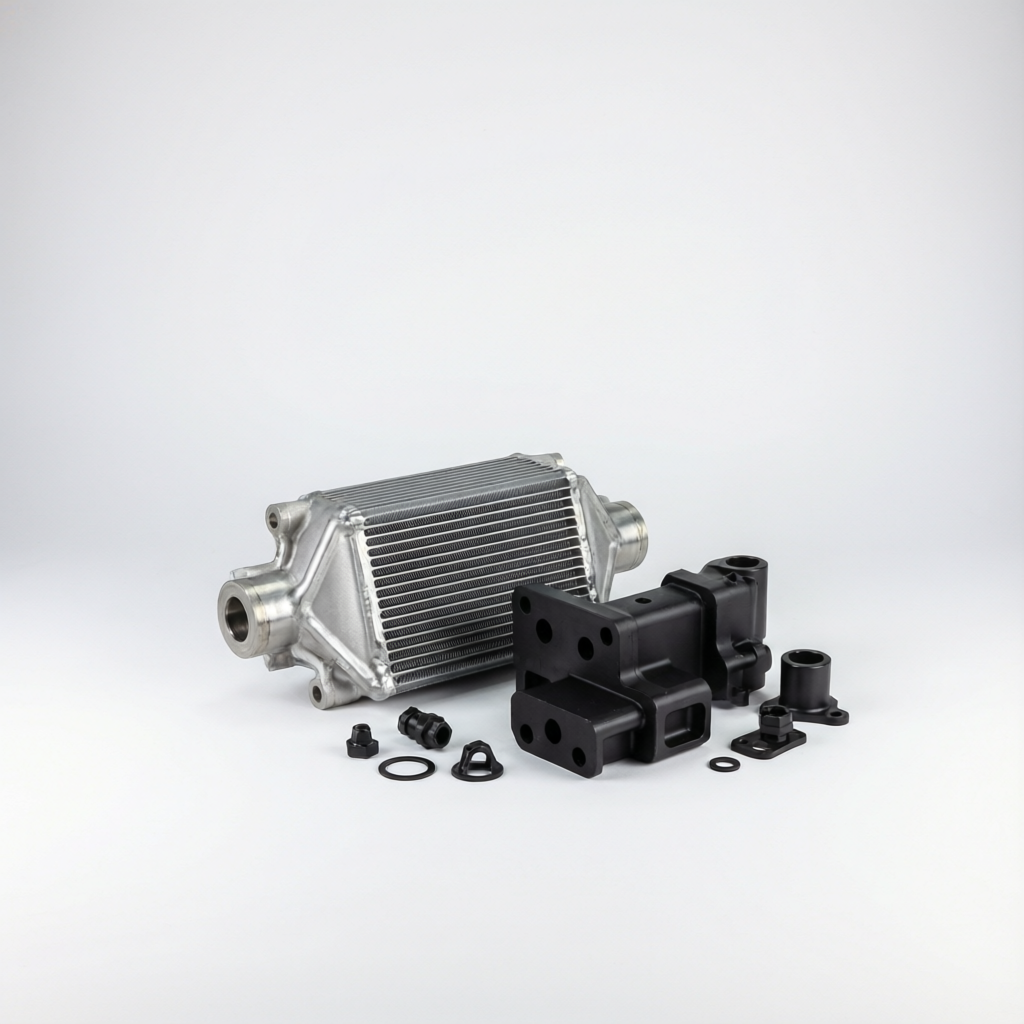

The EGR system was designed to reduce emissions, but on the 6.7L Powerstroke, it pushes soot-laden exhaust into the intake, where it mixes with oil vapor to form sludge that clogs coolers, sticks valves, and restricts airflow—leading 43% of engines to develop cooler leaks by 100,000 miles. Deleting the system delivers better fuel economy, more power, and eliminates a major failure point, but it also carries serious legal and warranty consequences. Here is what you need to know before making that call.
Benefits of EGR Delete
Significant Financial Savings
Removing the EGR system delivers substantial savings in three key areas. Based on 300,000 miles of operation, total savings amount to approximately $8,783.72.
Fuel Cost Savings:
After EGR delete, fuel efficiency improves by 4.76%–5%. Over 300,000 miles, this translates to 952.38 gallons of fuel saved—roughly $4,761.90 at current fuel prices.
Zero Cleaning Costs:
Vehicles with intact EGR systems typically require professional cleaning every 20,000 miles, costing around $150 per service. Over 300,000 miles, this adds up to $2,250. EGR delete eliminates this expense entirely while keeping the intake system clean.
No Replacement Costs:
EGR systems typically fail or become completely clogged every 150,000 miles, requiring expensive replacement. EGR delete removes this liability—no replacement costs, no clogging issues, and no EGR-related DTCs.
Eliminating EGR Cooler Failure
The EGR cooler is one of the most common failure points on the 6.7L Powerstroke. According to a study, 43% of 6.7L engines develop cooler leaks by 100,000 miles. EGR delete completely removes this design weak point, eliminating the risk of cooler failure and the expensive repairs that follow.
Significantly reduce carbon deposits and blockages
The EGR system forces carbon-laden exhaust back into the intake manifold, causing severe deposits on valves and manifold surfaces. According to Diesel Power Project data, removing the EGR system on Ford 6.7L Powerstroke engines reduces exhaust gas recirculation into the intake system by up to 72%.
This improvement delivers multiple benefits:
- Significantly improved airflow characteristics
- Reduced maintenance frequency
- Enhanced combustion efficiency
- Increased horsepower output
Increased Horsepower and Torque
By eliminating the airflow restriction caused by the EGR system, 6.7L Powerstroke engines typically gain 5–15 horsepower. When combined with proper ECU tuning, owners experience:
- Sharper throttle response
- Improved towing capability
- Enhanced overall driving dynamics
Extended Turbocharger Life
With no high-temperature, soot-laden exhaust being routed back through the intake, carbon deposits and oil coking are substantially reduced. This decreased wear directly translates to significantly longer turbocharger service life and prevents premature failure.
Costs and Risks of EGR Delete
Before committing to EGR deletion, owners must fully understand these four critical issues:
Legal Compliance Issues
Operating a vehicle with EGR delete on public roads is illegal. This directly violates federal emissions regulations and will result in:
- Failed vehicle inspections
- Potential EPA fines
- Vehicle registration complications
- Inability to legally operate in certain jurisdictions
EGR delete is legally acceptable ONLY in off-road, track, or agricultural applications—never on vehicles driven on public highways.
ECU Tuning Is Mandatory
EGR delete is not a simple "unbolt and replace" procedure. The ECU is programmed to expect a fully functional EGR system. Without proper tuning, the vehicle will trigger fault codes and may enter limp mode, severely limiting performance.
This means owners must budget for professional-grade diesel tuners and quality tuning services.
Voided Factory Warranty
For trucks still covered by factory warranty, EGR deletion will almost certainly void your coverage. Dealers can easily identify missing components or modified ECU software during routine service.
Reduced Resale Value
Vehicles with removed emissions equipment face significant challenges in the used market:
- Most dealers will not accept these trucks as trade-ins, as they cannot legally resell them without reinstalling emissions equipment
- Reinstalling the EGR system to restore compliance is expensive and labor-intensive
How to Choose the Right EGR Delete Kit
If you have fully evaluated the risks and decided to proceed with this upgrade, evaluate potential kits using these four criteria:
Material Quality
Prioritize kits constructed from stainless steel or aluminum alloy. Inferior materials can deform or corrode under high-temperature, high-pressure conditions, leading to seal failure. Quality materials ensure long-term durability and reliability.
Installation Ease
A well-designed kit should include:
- Clear, comprehensive installation instructions
- All necessary hardware and seals
- No requirement for major vehicle modification
- Reasonable installation time requirements
Application Matching
- Pure off-road use: EGR delete kits are an excellent choice
- On-road use: Consider legal alternatives such as performance tuning or intake optimization
Top EGR & DPF Delete Kit Options
4" DPF Delete Pipe/EGR Delete Kit | 2011-2023 Ford Powerstroke 6.7L
This complete delete package pairs a 4-inch DPF exhaust with a EGR delete kit, giving you everything needed to maximize flow and eliminate emissions hardware in one shot.

What you get:
- Maximum flow for competition applications with dramatically reduced exhaust back pressure
- No more DPF maintenance, failure risks, or costly repairs
- Black anodized EGR components with 12mm EGT probe port
- Complete soot and carbon elimination from intake passages
- Faster turbo spool, lower exhaust temps, and improved efficiency
- Full coolant circulation loop with new hoses—no block-off plugs
- Accelerated coolant flow for reduced operating temperatures
Full Delete Kit 4" DPF/DEF/EGR/CCV | 2011-2019 Ford Powerstroke 6.7L
This all-in-one package combines a venturi-style CCV system, a 5-inch 409 stainless steel DPF delete exhaust, aluminum alloy EGR delete components, and a fully loaded performance tuner—a complete solution for owners who want maximum power, engine protection, and total emissions removal.

What you get:
-
CCV system: Venturi design with no baffles, no oil drips, and zero power-robbing crankcase pressure; cleans up the engine bay and keeps intake air oil-free for optimal combustion
-
DPF delete: 4-inch downpipe-back racing exhaust with maximum flow; optional muffler available for quieter operation
-
EGR delete: aluminum alloy and stainless steel construction with 10mm EGT probe port; enhanced coolant circulation plate for lower temps
-
Tuner: 0–250 HP custom tuning; complete DPF/EGR sensor deletion with zero fault codes; speed limiter removal; speedometer recalibration; 20+ digital gauges; automatic safety downshifts controlled by EGT, boost, and fluid temps
The Role and Value of Tuners
Eliminate Emissions-Related Fault Codes
Tuners prevent the truck's ECU from triggering emissions-related fault codes or warning lights, preventing limp mode activation and maintaining full engine performance potential.
Customized Delete Programming
Professional tuning provides delete programs tailored to your specific vehicle configuration, optimizing fuel injection timing, injection quantity, turbo boost pressure, and other parameters for maximum performance.
Comprehensive Performance Gains
After emissions system removal combined with professional ECU tuning, owners experience:
- Dramatically improved throttle response—quicker off-the-line acceleration
- Increased horsepower and torque—enhanced towing capability
- Optimized fuel economy—reduced operating costs
- Smoother engine operation—improved driving refinement
Ford 6.7L Powerstroke EGR Delete Kit Installation Guide
Preparation
Vehicle Safety
- Park on level ground and engage the parking brake.
- Wear gloves and safety glasses throughout the procedure.
- Use a wrench to disconnect both negative battery terminals. This prevents shorts or accidental starting.
Raise the Front End
- Lift the front of the vehicle using a hydraulic jack or ramps.
- Position a drain pan beneath the radiator to catch coolant.
Drain the Coolant
To prevent spills when removing EGR components, the cooling system must be drained:
- Locate the drain valve: Plastic drain petcock at the bottom of the radiator.
- Open the valve: Use pliers to gently turn and pull out the drain plug. Avoid damaging the valve.
- Remove radiator and reservoir caps: This allows air in and speeds up drainage.
Wait until coolant has completely stopped draining before moving on.
Remove the Intake System
Removing the intake provides access to the EGR system:
- Take off the air box: Use an 8mm socket to remove mounting bolts. Carefully unplug the mass air flow (MAF) sensor.
- Detach the intake tube: Loosen clamps with a 7mm or 8mm socket, then gently pull the tube off the throttle body.
- Clear the work area: Remove any hoses or brackets that obstruct access to the EGR components.
Remove the EGR System
Disconnect Coolant Lines:
Locate the two hoses connected to the EGR cooler. Use pliers to remove the clamps and pull off the hoses.
Unplug Electrical Connectors:
Disconnect wiring harnesses from the EGR valve and related sensors.
Remove the EGR Cooler:
- The cooler is held by six bolts (three on each side). Use a socket to remove them. Apply penetrating oil if bolts are seized.
- If a bracket blocks removal, carefully cut it with a reciprocating saw—watch for nearby wiring and lines.
- Once loose, gently wiggle the cooler and pull it out. Avoid snagging injector harnesses or other sensitive parts.
Install the EGR Delete Kit
Install Block-off Plates
- Intake side: Place the first block-off plate over the opening where the EGR cooler was removed. Use the original gasket or the supplied gasket to ensure a proper seal. Tighten the included bolts to the recommended torque.
- Exhaust side: Repeat the same process to install the second block-off plate.
Reinstall Removed Components
- Intake system: Reinstall the intake tube and air box. Secure all clamps and reconnect the MAF sensor.
- Coolant lines: Reattach all hoses and clamps. Verify they are secure.
- Refill coolant: Add fresh coolant to the radiator and reservoir. Tighten the caps.
- Battery: Reconnect both negative terminals.
Testing and Troubleshooting
Static Checks
- Turn the ignition to "ON" (do not start). Check for warning lights on the dashboard.
- Start the engine and let it idle. Listen for unusual noises and inspect around the block-off plates and coolant lines for leaks.
Road Test
- Take the truck on a short drive. Monitor engine performance, turbo boost, and check for any diagnostic trouble codes.
- If issues arise, double-check the installation. Ensure all bolts, lines, and connectors are properly secured.
Conlusion
We understand that your 6.7L Powerstroke isn’t just a truck—it’s an investment in capability, work, and passion. Whether you’re tearing up off-road trails, pulling hard on the farm, or building a dedicated competition rig, our premium EGR and DPF delete kits, CCV systems, and custom tuning solutions are engineered to deliver the durability, flow, and horsepower you demand. Every component we carry—from aluminum alloy to 409 stainless steel exhausts—is chosen for real-world performance, not compliance paperwork. Browse www.ifjf.com today and build the Powerstroke that should have come from the factory.
FAQs About 6.7L Powerstroke EGR Delete
Q1: Is it better to clean the EGR system regularly than to delete it?
A1: For trucks used in daily street driving, periodic cleaning and maintenance of the EGR system is generally the more responsible choice. This approach keeps the vehicle emissions-compliant, avoids legal complications, and—when carbon buildup is the root cause—can effectively restore lost engine performance.
Q2: Does deleting the 6.7L Powerstroke EGR system affect oil quality?
A2: Yes. With the EGR system removed, exhaust gases are no longer routed back into the intake. This means significantly less carbon and soot enter the combustion chamber. As a result, engine oil stays cleaner longer.
Q3: Will an EGR delete kit damage my Powerstroke engine?
A3: When installed correctly using a quality kit and paired with proper ECU tuning, an EGR delete is not only safe—it can actually reduce long-term wear. However, poor-quality components, improper installation, or incorrect tuning can lead to turbocharger issues, persistent check engine lights, or the vehicle entering limp mode.
Q4: What are the most common symptoms of a failing EGR system?
A4: Typical warning signs include an illuminated check engine light (commonly code P0401), decreased fuel economy, rough idle, excessive carbon buildup in the intake manifold, higher exhaust temperatures, and coolant leaks caused by a cracked EGR cooler.
Q5: What does maintenance look like after deleting the EGR system?
A5: You’ll no longer need to clean clogged EGR valves or coolers, and intake system carbon buildup slows considerably. That said, routine maintenance still matters—regular oil and filter changes, air filter replacements, and injector health checks remain essential.