
If your pickup is equipped with an L5P Duramax engine, you've likely already experienced its solid and powerful performance. Since its introduction, this engine has earned the trust of many owners with its outstanding capabilities. However, for those seeking ultimate performance, the factory setup is just the beginning of the story. To fully unlock the potential of this beast, upgrading a critical component of the exhaust system—the downpipe—is often the first key to opening the door to performance enhancement.
With just this one modification, you can significantly improve the engine's "breathing efficiency": exhaust flows more smoothly, power response becomes sharper, and torque delivery feels fuller. Why can replacing just one section of the exhaust system bring about such a noticeable change? Let's dive deeper.
The L5P Downpipe: The Engine's "Critical Pathway"
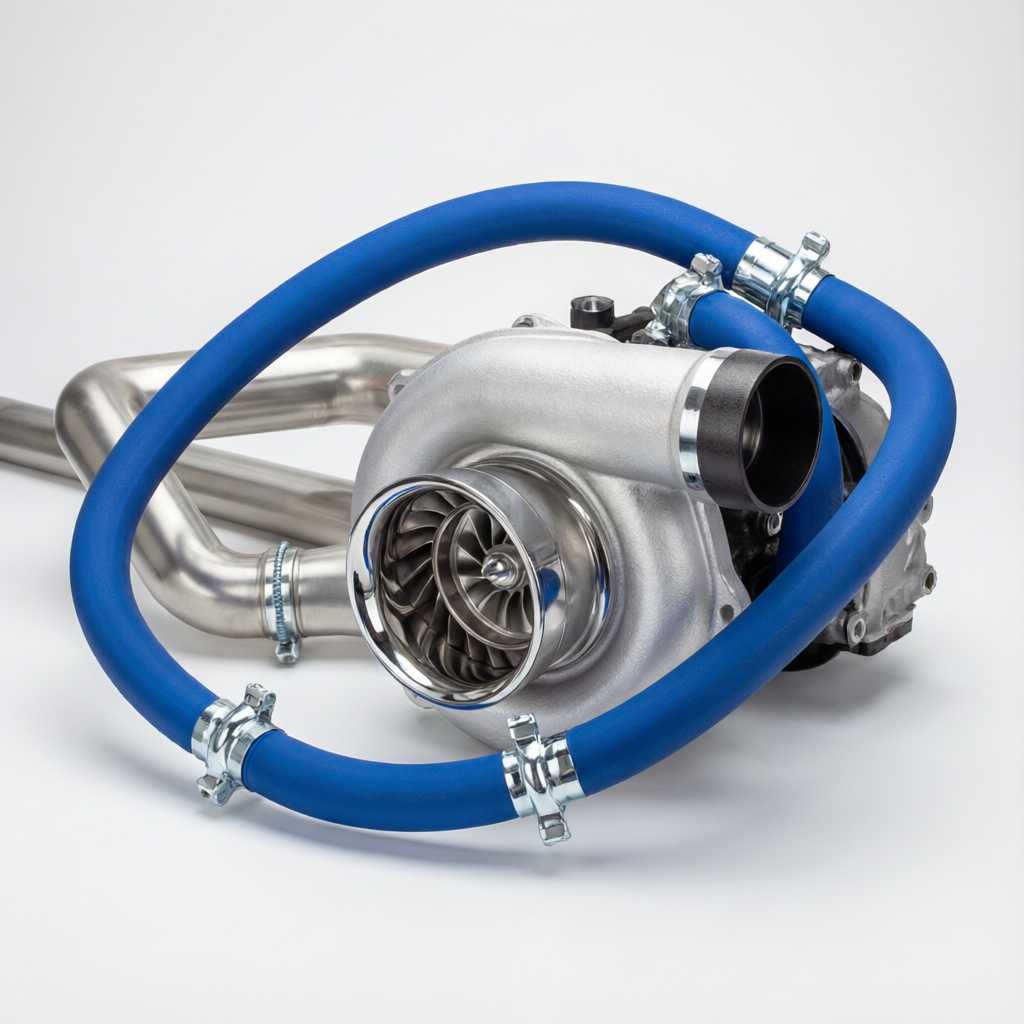
Think of the turbocharger as the engine's "lungs," and the downpipe as its "windpipe." This crucial pipeline connects directly to the turbo's exhaust outlet, guiding high-speed exhaust gases toward the catalytic converter.
Core Mission
Divert the high-temperature exhaust gas from the turbocharger to ensure that the turbine can operate effectively and achieve the desired boost effect.
However, to meet strict regulatory standards, factory downpipes often compromise on performance. The design prioritizes compatibility with emission systems and noise control over maximizing efficiency.
As a result, you'll notice:
- Conservative Diameter: Narrower passages restrict exhaust flow.
- Circuitous Routing: Multiple internal bends increase exhaust resistance.
- Bottleneck Effect: Creates a congestion point behind the turbo.
The outcome? Exhaust struggles to exit, turbo response lags, and the engine's potential for immediate, powerful delivery is quietly stifled at the source.
What Changes Can a High-Flow Downpipe Bring?
Direct Power Gains
A high-flow downpipe typically yields an estimated 10–20 wheel horsepower increase. With less resistance, the turbo spools up faster, delivering boost earlier and more aggressively. You'll feel a lighter throttle and a transformed overall power response.
Reduced Strain, Enhanced Protection
Efficient exhaust flow means lower exhaust gas temperatures. This provides crucial protection for the turbocharger and surrounding components, boosting the durability and reliability of the entire powertrain.
Reduce Exhaust Restriction
Optimizing exhaust efficiency significantly lowers system backpressure, allowing gases to flow out more smoothly and helping the turbo reach optimal speed faster. This reduces power lag, improves boost efficiency.
Lower Exhaust Gas Temperature
A high-efficiency exhaust system effectively reduces exhaust gas temperatures, creating a cooler under-hood environment that safeguards the turbocharger and other critical engine components from heat-induced wear and tear, thereby extending their overall service life.
Improve Throttle Response
By accelerating turbo spool-up, exhaust optimization delivers more immediate and responsive throttle feedback, ensuring your truck’s engine responds crisply the moment you step on the gas—no lag, just smooth, on-demand power.
The key factors for performance improvement
The results of this modification aren't fixed; they depend on your specific pickup. No two trucks are alike—your engine, current mods, and daily drive all play a role in how much you’ll feel the upgrade.
Tuning Is the "Soul"
If the ECU remains in its stock configuration, the full performance benefits of your exhaust upgrade may never fully materialize. Professional ECU tuning is essential to unlock the complete potential of your upgraded hardware, and with this optimized pairing, horsepower gains typically fall within a reliable 10–20 horsepower range.
Choose Wisely
Opting for a high-flow catted downpipe boosts your diesel’s performance significantly. If your vehicle is dedicated solely to off-road adventures or track use, a catless version unlocks unrestricted exhaust flow, delivering the ultimate in power and exhaust efficiency.
Professional Installation Matters
Proper fitment and installation are make-or-break for unlocking all the perks of this upgrade. Hook up with an experienced diesel shop and make sure your rig’s in good baseline shape—this way, you’ll guarantee the mod delivers the real-deal value you paid for.
Best Duramax L5P Exhaust Pipe Upgrade Solution
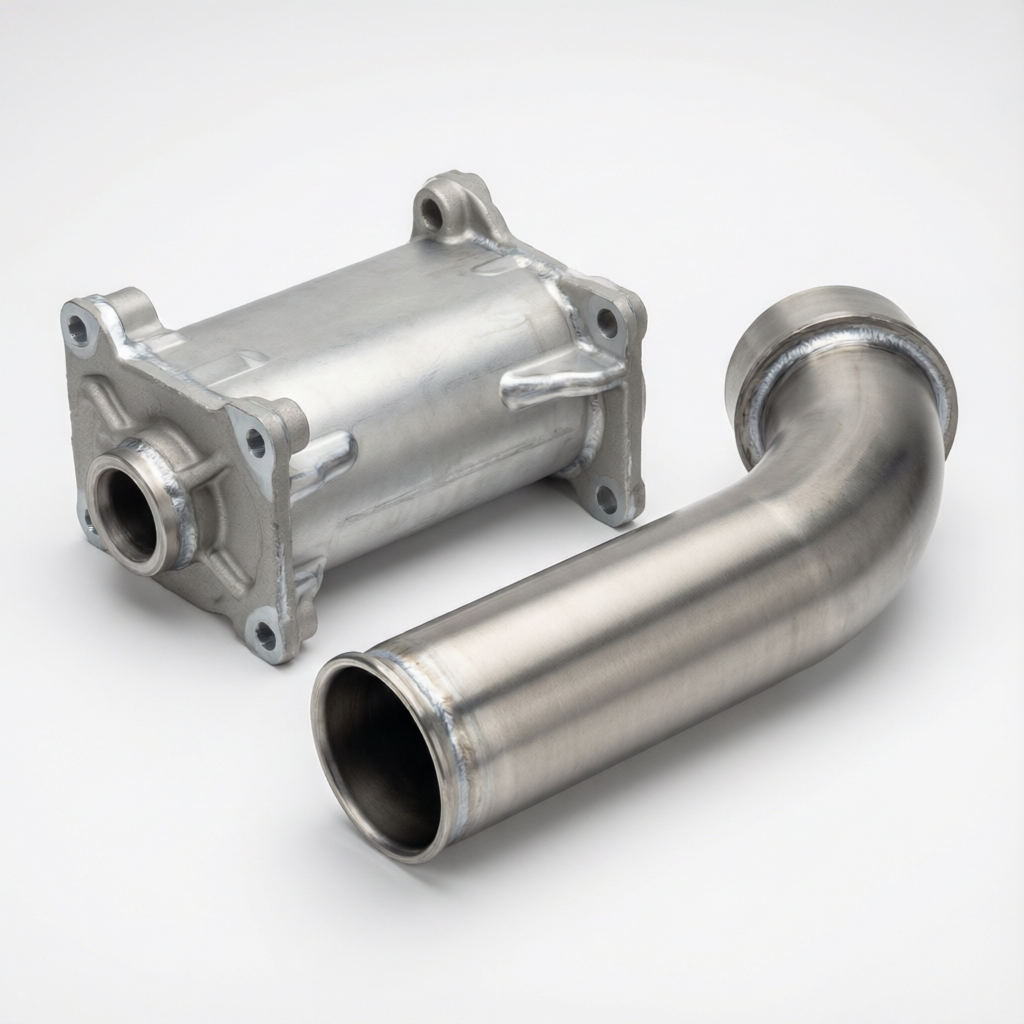
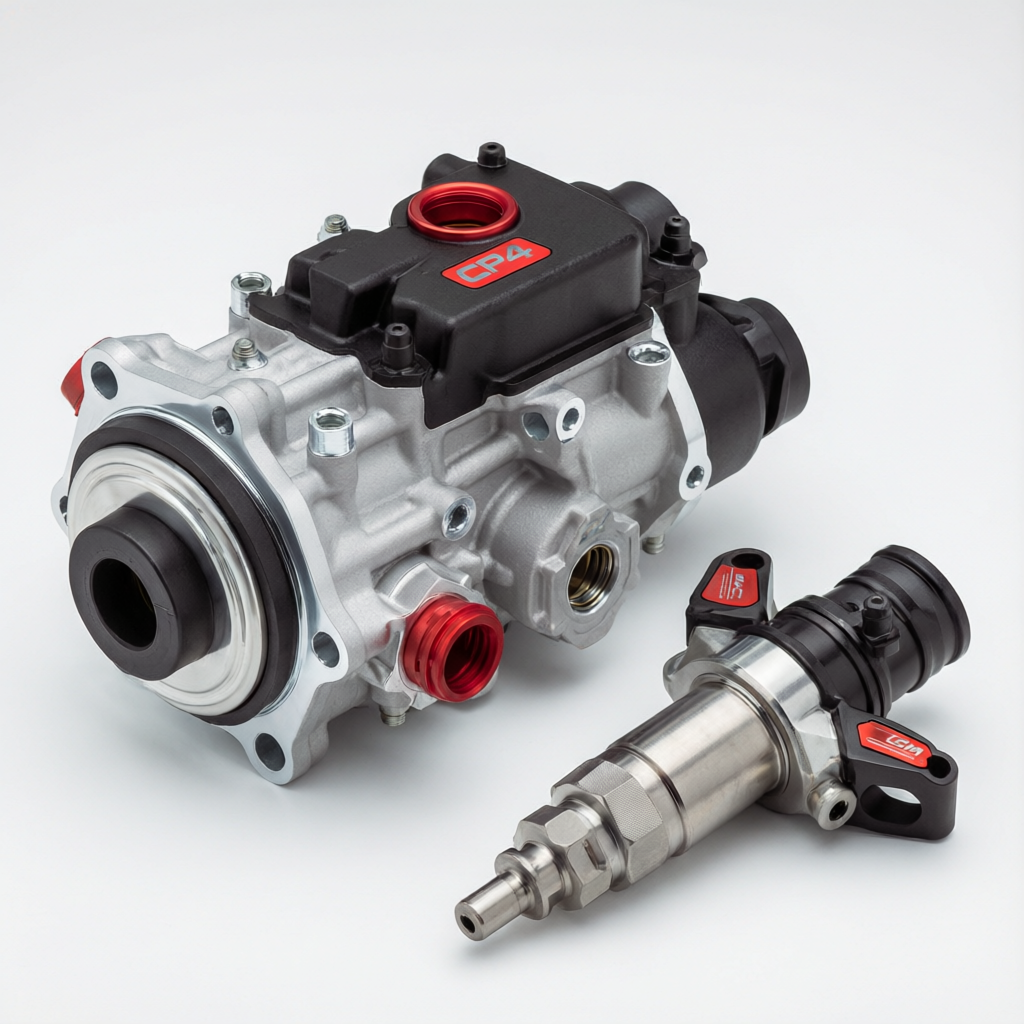
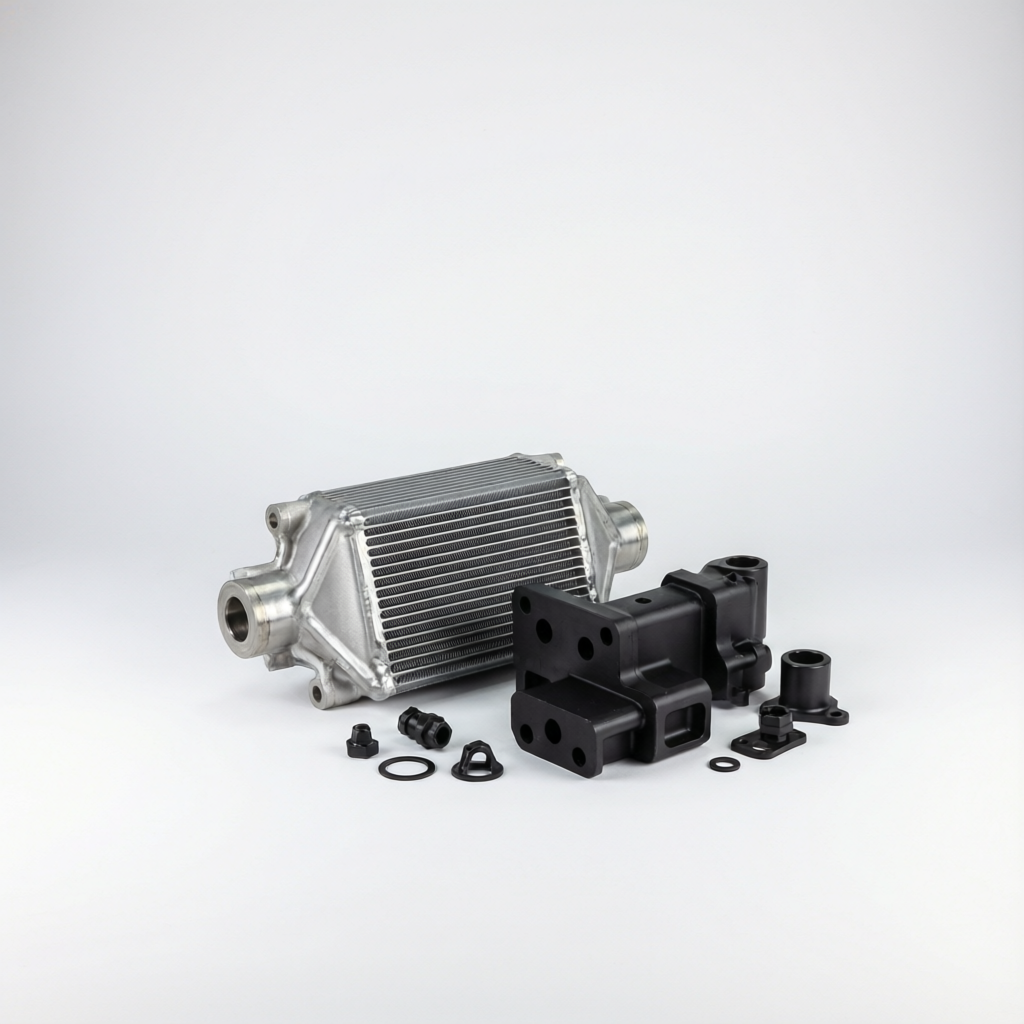
We now present the ultimate solution for achieving a true leap in performance—the DPF/EGR Delete + CCV + 3.5" Downpipe Kit for 2017–2023 GM Duramax L5P 6.6L. This comprehensive solution not only includes a high-performance 3.5-inch downpipe but is also a professionally engineered system designed to fully unleash the engine's potential.

3.5" Downpipe: The Heart of the System Upgrade
Our specially engineered 3.5" high-performance downpipe features the following professional-grade characteristics:
- Made from premium stainless steel for long-term durability
- 3.5" stainless steel piping design provides a 20% increase in flow over factory components
- 4-bolt flange interface with two pre-installed studs for quick, secure installation
- Fully replaces the Diesel Oxidation Catalyst (DOC) for maximum exhaust efficiency
- Direct bolt-on design requires no modifications for installation
- High-quality sealing ring design prevents oil leaks and ensures system integrity
Core Advantages
-
Integrated System Solution: Seamlessly combines DPF/EGR removal, CCV optimization, and downpipe upgrades into one cohesive package
-
Premium Material Construction: Utilizes T-409 stainless steel, aluminum alloy, and silicone composite materials for the perfect balance of durability and weight savings
-
Significant Flow Improvement: With 4" or 5" DPF delete piping and a 3.5" downpipe, overall exhaust flow efficiency increases by over 20%
-
Heat Management System: Includes professional-grade heat-wrapping materials to effectively reduce engine bay temperatures
-
Compliance Considerations: Engineered for off-road and track use, offering full optimization of the emissions system and fully unlock turbo potential
Why Choose a Complete Kit?
While a standalone downpipe upgrade delivers noticeable improvements, the DPF and EGR systems remain key performance bottlenecks in modern diesel engines. Our complete kit addresses these limitations through a systematic solution, offering:
- Complete Elimination of Exhaust Restrictions: Simultaneously resolves performance losses caused by DPF clogging and EGR recirculation
- Optimal Thermal Management: Significantly reduces operating temperatures through heat-wrapping materials and system optimization
- Long-Term Reliability Assurance: Prevents costly repairs associated with DPF system failures
- Comprehensive Performance Gains: Every component is designed to work in harmony, ensuring optimized system-wide results
L5P Downpipe Installation and Maintenance Guide
Phase 1: Preparation
- Disconnect the negative battery.
- Wear all necessary personal protective equipment.
- Remove the passenger-side front wheel and corresponding inner fender liner.
Phase 2: Removal of Factory Components
- Loosen the V-band clamp assembly located in the engine bay.
- Remove the turbocharger heat shield and the lower V-band clamp.
- Unfasten all related mounting bracket bolts.
- Carefully rotate and extract the factory downpipe.
- Thoroughly clean the turbocharger flange mating surface.
Phase 3: Installation of High-Performance Downpipe
- Install a new specialty gasket onto the turbocharger flange.
- Guide the new downpipe into position from above.
- Partially secure the V-band clamp before final alignment and full tightening.
- Torque the turbocharger mounting bolts to the specified 43 lb-ft.
- Reconnect all relevant fluid lines and electrical connectors.
- After completing final alignment, fully tighten all V-band clamps.
- Reinstall all previously removed components.
Post-Installation Verification
Start the engine and listen carefully for any abnormal exhaust noises (potential leaks).
Conduct a brief road test to verify:
- Noticeable improvement in turbo responsiveness.
- Smooth and linear power delivery.
- Absence of abnormal vibrations.
Long-Term Maintenance and Monitoring
To ensure consistent and reliable performance, the following periodic maintenance is recommended:
Routine Inspection Items
- Check all flange and clamp connections for signs of rust, carbon buildup, or loosening.
- Confirm that the exhaust system maintains a safe clearance from the chassis and heat shields.
Cleaning and Care
- Clean stainless steel components with specialized stainless steel cleaner to maintain surface finish.
- Routinely wash the vehicle’s undercarriage during winter months to remove road salt and prevent corrosion.
- Avoid contact with harsh acidic or alkaline cleaners on the piping surfaces.
Performance Monitoring
- If the check engine light appears after installation, first inspect the exhaust temperature sensor connections.
- When towing or under heavy load, monitor exhaust gas temperature to verify the thermal management efficiency of the upgrade.
- A full system fastener check is recommended after the first long-distance trip.
Conclusion
Based on an in-depth analysis of the L5P Duramax exhaust system, upgrading to a high-performance downpipe not only optimizes exhaust flow efficiency, reduces turbo temperatures, and adds 10-20 wheel horsepower, but—through our complete DPF/EGR/CCV delete kit designed specifically for 2017–2023 models—achieves systematic performance unlocking. Combined with professional installation guidance and long-term maintenance support, we offer a comprehensive performance upgrade solution, from technical principles to practical application. Visit www.ifjf.com today to begin your vehicle’s transformation.
FAQs About L5P Downpipe
Q1: How difficult is it to install an L5P downpipe yourself?
A1: Installing a 3.5-inch downpipe on an L5P engine is considered a moderate-level DIY project. With basic mechanical knowledge and common hand tools, the process can typically be completed in 4 to 6 hours.
Q2: Is upgrading the downpipe on an L5P engine worth it?
A2: For General Motors trucks equipped with the 6.6L L5P engine (2017–2023 models), upgrading to a 3.5-inch downpipe is one of the most effective and cost-efficient performance modifications available.
Q3: Does upgrading the downpipe require pairing it with a high-performance intake system?
A3: Not strictly required, but highly recommended. While the downpipe improves exhaust flow, upgrading the intake system enhances air delivery. Together, they create a synergistic effect that delivers a more balanced and significant overall performance gain.
Q4: Can I actually feel the advertised 10–20 horsepower increase?
A4: Absolutely, but it’s more than just a number. The improvement is experienced through sharper throttle response, stronger mid-range acceleration, and noticeably reduced turbo lag. These real-world driving benefits often outweigh the dyno figures alone.
Q5: How can I drive and maintain my pickup to make it last longer?
A5: Yes, this is the entry-level upgrade. It effectively addresses the first major restriction at the turbo outlet for tangible gains. However, with the factory DPF/EGR still in place, the engine's full potential remains untapped.