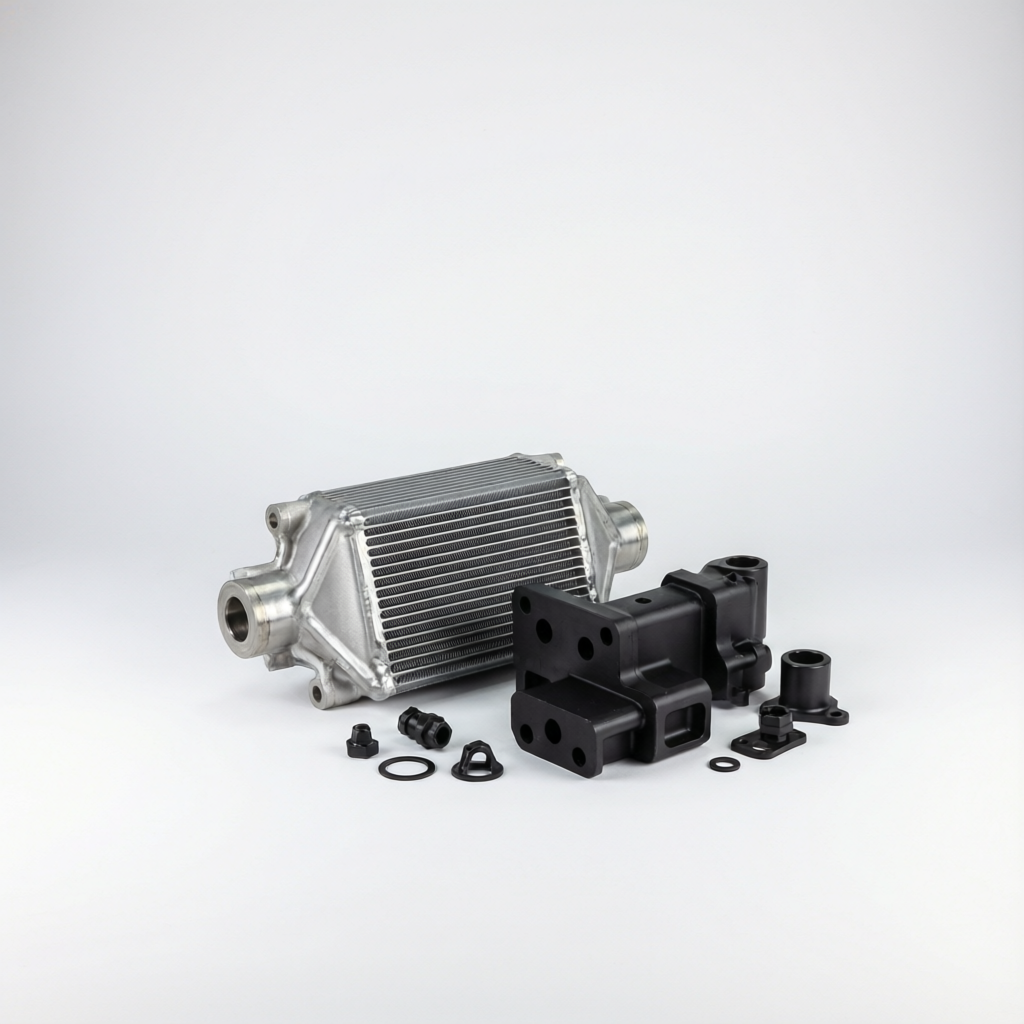

When your LLY Duramax starts idling rough, feeling sluggish, or lighting up with mysterious warning lights, you’re probably told: “The EGR valve is dirty, just clean it,” or “You need a new cooler.”But is it really that simple?
Why do the symptoms come back so soon after a cleaning? Why does this system seem to be the LLY engine's "eternal pain point"? This article reveals a truth many repair shops won't tell you: For the LLY, EGR system problems aren't a matter of if, but when. This isn't an accident of poor maintenance; it's a certainty baked into its design.
Dissecting the LLY EGR
To understand its failure, you must first understand its makeup. The LLY's EGR system is far from a simple valve; it's a precision, high-temperature exhaust gas management system operating.
Core Components & "Pressure Points"
The EGR Valve:
It's directly exposed to hot, soot-laden exhaust before it's fully cooled. The valve pintle and seat are highly susceptible to getting gummed up or worn by sticky carbon deposits, leading to control inaccuracy.
The EGR Cooler:
Its job is to slash exhaust gas temperatures from over 1200°F (≈650°C) down to a manageable range. But the coolant passages are separated from the exhaust passages only by thin metal walls. Long-term thermal cycling, mineral deposits in the coolant, and carbon soot from the exhaust combine to cause internal clogging and efficiency loss.
Possible Consequences: Once clogged, exhaust can't be cooled effectively, pushing high temperatures into the intake system. More catastrophically, if welds or walls crack, coolant can enter the cylinders, causing a hydrolock.
The Maze of Pipes:
The network of pipes connecting the valve, cooler, and intake manifold perfect for carbon deposition. This buildup doesn't just restrict airflow; chunks can break off and get sucked into the cylinders, causing abrasion.
The Inherent Contradiction in Its Logic
EGR's original goal was noble: reduce combustion temperatures by introducing inert exhaust gas, thereby cutting Nitrogen Oxide (NOx) emissions. However, in the LLY's implementation, there's a fundamental conflict:
- For Emissions: It needs to introduce as much exhaust gas as possible.
- For Engine Health: The gas introduced must be adequately cooled and clean.
The Harsh Reality: Operating under constant high pressure and temperature , the soot and unburned hydrocarbons from diesel combustion mix with oil vapor under fluctuating temperatures, forming hard, glue-like carbon deposits. The system's design itself becomes the breeding ground for its own failure.
The Domino Effect of Failure
The Chronic Choke on Performance
Carbon gradually clogs the intake manifold and valves, the engine then has difficulty breathing, which leads to poor combustion efficiency. This is the direct cause of sluggish power and slow throttle response.
The Stealthy Thief of Fuel Economy
It can reduce fuel efficiency by introducing exhaust gases into the combustion process, leading to incomplete combustion. Part of your fuel bill is literally paying to "manufacture problems" in the EGR system.d slow throttle response.
"Polluting" Downstream Components
Chunks of carbon breaking loose from the EGR system can be ingested into the cylinders, accelerating piston ring and liner wear. Worse, they can travel back into the turbocharger, damaging the precision compressor wheel.
The Vicious Cycle of Thermal Management:
A declining cooler efficiency raises intake air temperature. Hotter intake air, calls for more EGR to control NOx, placing more strain on the already struggling cooler. This creates a death spiral.
This is why simple cleaning or part replacement often only brings temporary relief—you're treating the symptom without shutting down the "factory" that keeps producing it.
Why LLY EGR Delete is the Cure?
Removing the Source
By removing the EGR valve, cooler, and associated plumbing, you permanently eliminate the engine's largest carbon manufacturer and potential coolant leak point. The intake system now breathes only fresh, cool air.
Breaking the Vicious Cycle
Eliminating hot exhaust gas recirculation significantly lowers intake air temperatures. This not only provides denser oxygen for more efficient, complete combustion but also drastically reduces the engine's thermal load, a key factor in extending diesel engine life.
Simplifying for Reliability
Modern engineering believes in "simple is reliable." Fewer parts, simpler plumbing means fewer points of failure. Your engine no longer depends on a delicate, high-temperature exhaust gas recycling system just to run normally.
The Evolution of Systemic Solutions
However, a true solution requires systems thinking. EGR problems act like dominoes—carbon buildup and oil contamination pollute the entire intake system, often striking back through the Crankcase Ventilation (CCV) system.
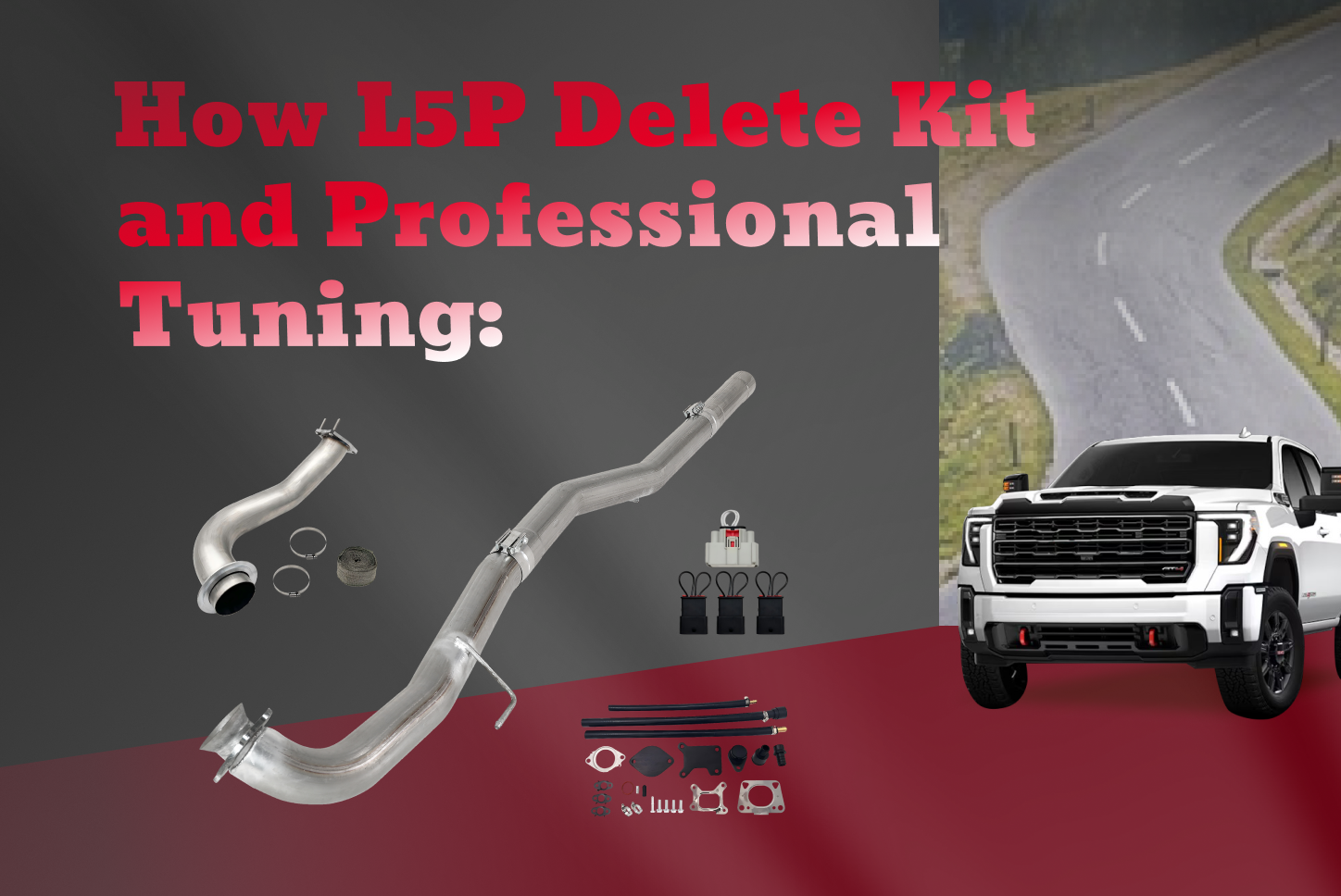
CCV/PCV/EGR Delete Kit | 2004-2005 GM/Chevy Duramax LLY 6.6L
We have developed the "CCV + EGR DELETE Integrated Kit" for this purpose. This is not just a simple assembly of parts, but a system that works together:

EGR System Elimination
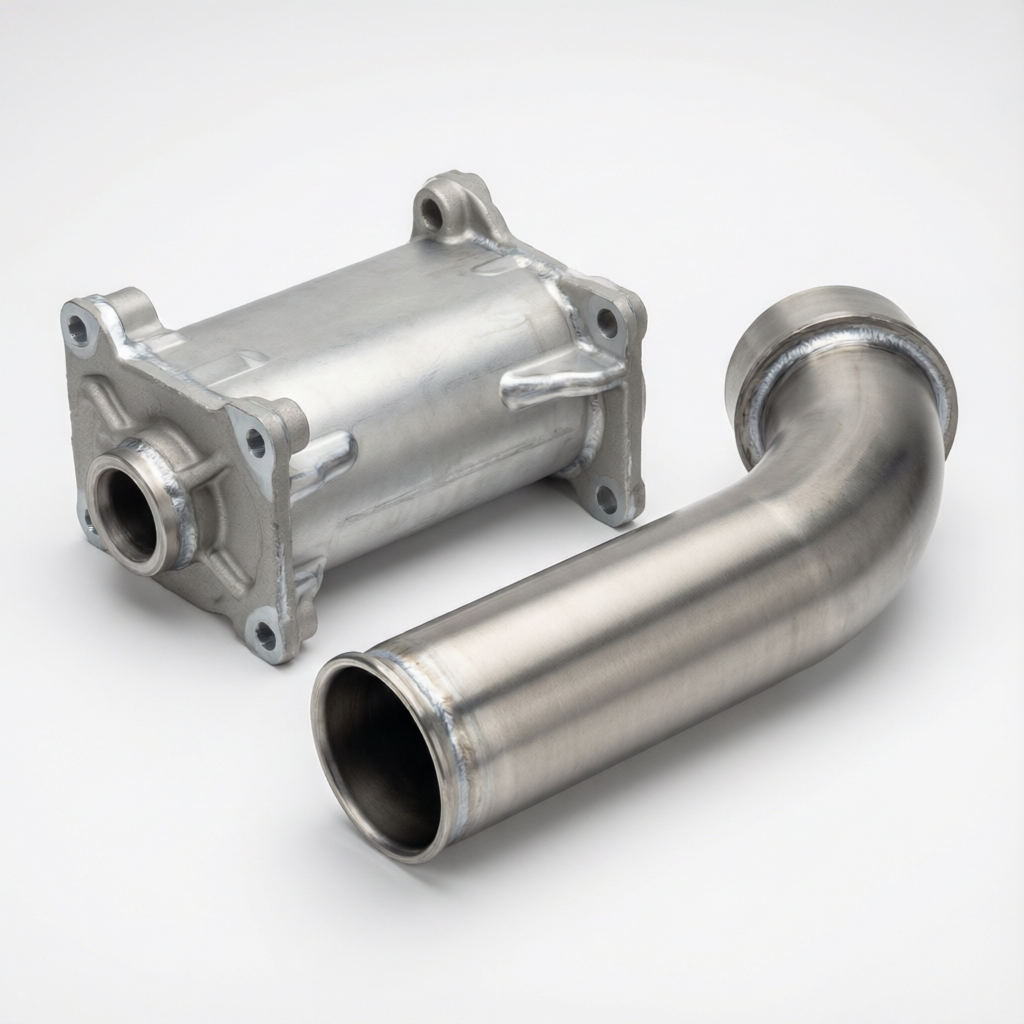
- Provides complete aluminum and stainless steel replacement piping with high-temperature silicone couplers
- Directly removes the EGR valve and cooler—the "carbon heart"
- Installation Advantage: No adhesives needed, direct bolt-on design, formulated for high-heat applications like heavy towing.
CCV System Upgrade
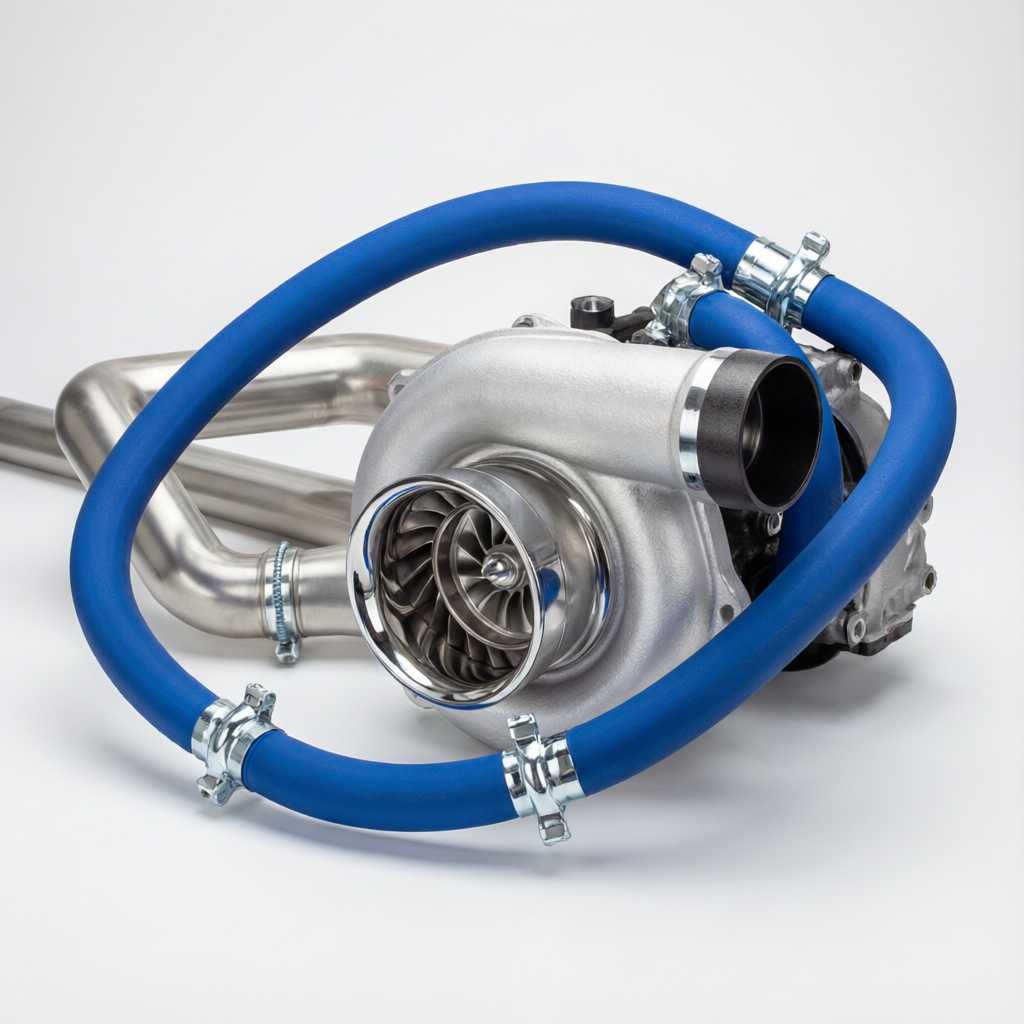
- Features a black anodized aluminum free-flow vent
- Uses 5/8-inch GATES brand professional hose to replace restrictive factory tubing
- Direct Result: Efficiently separates oil from vapor, preventing contamination from entering the turbo, significantly extending turbo lifespan.
5" DPF/CCV/EGR Delete Kit | 2004-2005 GM/Chevy Duramax LLY 6.6L
We have introduced a more comprehensive "DPF DELETE + CCV + EGR DELETE Complete Performance Package". This is the ultimate evolution based on "breathing purification":

Three-Layer Upgrade Structure:
- Foundation Layer: Includes all purification features of the CCV+EGR DELETE kit above.
- Core Layer: Equips a 5-inch straight-through T-409 Stainless Steel race exhaust system.
- Key Action: Completely removes the DPF filter and catalytic converter, eliminating the largest source of exhaust backpressure.
Triple Performance Breakthrough:
- Power Unleashed: Efficient, smooth exhaust flow delivers significant gains in horsepower and torque.
- Efficiency Optimized: Reduced engine load translates to noticeable fuel economy improvements.
- Longevity Secured: T-409 stainless steel ensures long-term corrosion resistance in harsh environments.
Choosing this solution means performing a complete "breathing to detox" performance surgery on your LLY, releasing all the potential restricted by the factory's layered emissions systems.
How to Perform This "System Upgrade" Correctly?
If you agree with the analysis and decide to proceed with this fundamental upgrade, choosing the right "surgical procedure" is critical.
Systematic Approach to Selection:
Clearly define your core objective—are you solving the reliability issues of EGR/CCV, or pursuing complete performance liberation including the exhaust? Your choice should align with the vehicle's primary purpose (daily driving, heavy towing, or performance pursuit).
Hardware Quality is Foundational:
Ensure the kit, like ours, utilizes materials such as stainless steel, aircraft-grade aluminum, branded silicone hoses, and professional tubing to withstand the high temperatures and corrosion of the engine bay. Inferior materials will fail under thermal stress, creating new problems.
The Tune:
Especially after a DPF delete, professional ECU tuning is the essential "brain upgrade." It must reintegrate exhaust backpressure data, regeneration logic, and optimize air-fuel ratios and turbo mapping. Without proper tuning, the engine cannot adapt to the new hardware and may even operate abnormally.
Conclusion: End the Cycle of EGR Problems
You have a choice: continue the endless cycle of repairing and replacing a flawed EGR system, or make the definitive upgrade. Deleting the EGR isn't a workaround—it's an engineered solution to a design limitation, securing long-term reliability, restored performance, and true peace of mind.
The key to a successful upgrade is proper execution. Visit www.ifjf.com for our complete, LLY Duramax-specific solution kits and professional support. Let us help you transform your truck into the dependable, powerful partner it was meant to be. It’s time to experience the difference.
FAQs About LLY EGR Delete
Q1: Is it legal to remove the LLY EGR system?
A1: No, it is not legal. Under federal law and the laws of most states, removing or disabling the EGR system for on-road use is illegal. Exceptions may apply for vehicles used exclusively in professional racing or off-road competitions, but local regulations and event rules must be followed.
Q2: Is removing the LLY EGR valve worthwhile for vehicle owners?
A2: It depends on the vehicle’s use. For off-road or modified vehicles, removing the EGR valve can reduce carbon buildup in the intake system and simplify maintenance. However, for daily commuting or frequent towing, retaining and upgrading the EGR cooler is generally a safer and more reliable option.
Q3: How much horsepower can be gained by removing the EGR system?
A3: Removing just the exhaust manifold portion may yield around 5–15 horsepower by reducing exhaust restriction and temperature. When combined with professional ECU tuning, gains of 20–40 horsepower are possible depending on the engine condition and tuning approach.
Q4: What is the approximate cost of removing the LLY EGR and DPF?
A4: The total cost can vary significantly depending on factors such as the vehicle model, the specific parts involved, and local labor rates, typically falling within a range of $1,000 to $4,000.
Q5: Can I install an LLY Duramax EGR delete kit myself?
A5: If you have mechanical experience and the proper tools, you can attempt a DIY installation with the help of detailed guides. However, if you are not experienced, it is recommended to seek professional assistance to ensure correct and reliable installation.