
Every 6.4L Powerstroke owner eventually stares at their truck with the same nagging anxiety: "Is today the day the emissions system takes down my engine?" You are not alone. For most diesel enthusiasts, factory emissions gear quickly transitions from a regulatory requirement to a massive mechanical liability. While the Exhaust Gas Recirculation (EGR) system successfully satisfies regulators by lowering NOx emissions, it simultaneously chokes your engine, clogs vital top-end components, and leaves a thermal ticking time bomb under your hood.
This isn't just another generic overview—this is your strategic blueprint to breaking free. Below, we break down why eliminating the factory EGR setup is no longer just an optional upgrade for the 2008-2010 Ford Super Duty, but a vital intervention required to save the truck.
How the Factory EGR System Suffocates Your V8
To appreciate the massive reliability leap that comes with an aftermarket delete, you must first understand the mechanical stress of the factory configuration. The 6.4L Powerstroke utilizes a highly complex, multi-stage closed-loop layout that operates on a fragile balancing act.
The Anatomy of the Stock Setup
The entire emissions loop relies heavily on three core weak points:
-
The EGR Valve: The mechanical gatekeeper controlling exactly how much exhaust volume is reintroduced into the clean air stream.
-
The EGR Cooler Array: The heavy heat exchanger tasked with chilling blistering exhaust gases before they reach the intake.
-
The Recirculation Piping: The restrictive plumbing network that routes dirty air back into the motor.
The Dangerous Cycle
Your engine expels exhaust at a scorching $1300^\circ\text{F}$ ($700^\circ\text{C}$). The EGR system pulls this heat straight from the exhaust manifold and forces it through a liquid-to-gas cooler, dropping the temperature to roughly $300^\circ\text{F}$ ($150^\circ\text{C}$) before feeding it directly back into your intake manifold. By mixing spent exhaust with fresh, dense ambient air, peak combustion temperatures drop—but at a devastating mechanical cost.
The Triple Threat
Re-routing abrasive exhaust back into a precision-engineered diesel engine triggers three distinct, highly predictable failure modes:
The Carbon Sludge Blanket:
Exhaust soot continuously bakes onto the interior surfaces of your intake tract. In fact, 88% of trucks surpassing 100,000 miles experience an airflow restriction greater than 30% solely due to heavy intake carbon clogging.
Catastrophic Cooler Cracking:
The EGR cooler experiences violent thermal expansion and contraction cycles. Over time, the internal core fractures. When it fails, pressurized coolant leaks directly into the combustion chambers, causing white tailpipe smoke, severe overheating, and irreversible engine hydro-lock.
Microscopic Sandblasting:
The particulate matter inside recirculated exhaust acts exactly like fine sandblasting media. On a microscopic level, this abrasive soot accelerates wear across your cylinder walls, valve seats, and delicate variable-geometry turbocharger (VGT) vanes.
What You Gain by Deleting the EGR
By replacing this restrictive plumbing with high-flow performance hardware, you immediately unlock a series of massive mechanical advantages:
-
Ironclad Top-End Reliability: By cutting off the soot supply, you ensure cleaner combustion, a carbon-free grid heater, and zero risk of sticking valves or blown head gaskets.
-
Drastically Dropped EGTs: Normalizing intake airflow allows the engine to breathe freely, resulting in more stable and significantly lower Exhaust Gas Temperatures (EGTs) under load.
-
Unleashed Horsepower & Torque: Eradicating intake restrictions optimizes throttle response. Most trucks coupled with tuning realize immediate gains ranging from 30 to 100 horsepower along with a massive torque bump.
-
Enhanced Fuel Efficiency: Real-world testing demonstrates an average fuel economy increase of 2 to 4 MPG, showing the most dramatic improvements during highway cruising and heavy towing.
-
Zeroed-Out System Maintenance: You completely erase an entire category of frequent, high-dollar dealership repairs from your financial radar.
Weighing the Balance: Legalities, Warranties, and Reality
While the performance gains of an EGR removal are undeniable, a modification of this scale demands a realistic look at the trade-offs involved before turning a wrench:
-
Warranty Status: Tampering with factory-installed emissions components will immediately void any remaining manufacturer coverage. If your truck still possesses a factory or extended warranty, review the terms carefully.
-
Compliance & Local Laws: In many jurisdictions, removing or bypassing emissions equipment violates local vehicle regulations, heavily penalizes street operation, and guarantees a failure at local inspection check-points. Always verify your local regional guidelines before ordering hardware.
-
Environmental Footprint: Disabling the EGR increases the output of raw nitrogen oxides (NOx) and particulate matter. As a truck owner, it is your responsibility to balance off-road racing performance benefits against environmental factors.
Engineering the Rebirth: How to Choose the Right Kit
Selecting an upgrade kit is a matter of material engineering and structural integration. To ensure your build lasts the lifetime of the truck, focus on these critical factors:
1. Metallurgy: 409 Stainless vs. Aluminized Steel
Don't cheap out on the metal. 409 Stainless Steel delivers an exceptional blend of intense heat resistance and long-term corrosion prevention, offering the highest return on investment. On the other hand, Aluminized Steel options offer a lower upfront cost but sacrifice longevity, making them suitable only for short-term projects or tight budget targets.
2. The Complete Kit Advantage
Always select comprehensive bundles that feature laser-cut block-off plates, customized coolant re-route lines, premium high-temp gaskets, and zinc-coated hardware. Attempting to piece a kit together piecemeal invites boost leaks and fluid weeping.
3. DIY Verification
Many high-end kits feature precision-machined fitment and detailed instruction sets, making them highly accessible for enthusiasts possessing moderate mechanical experience and standard shop tools. If you're hesitant about looping coolant lines, ensure your supplier provides dedicated technical support.
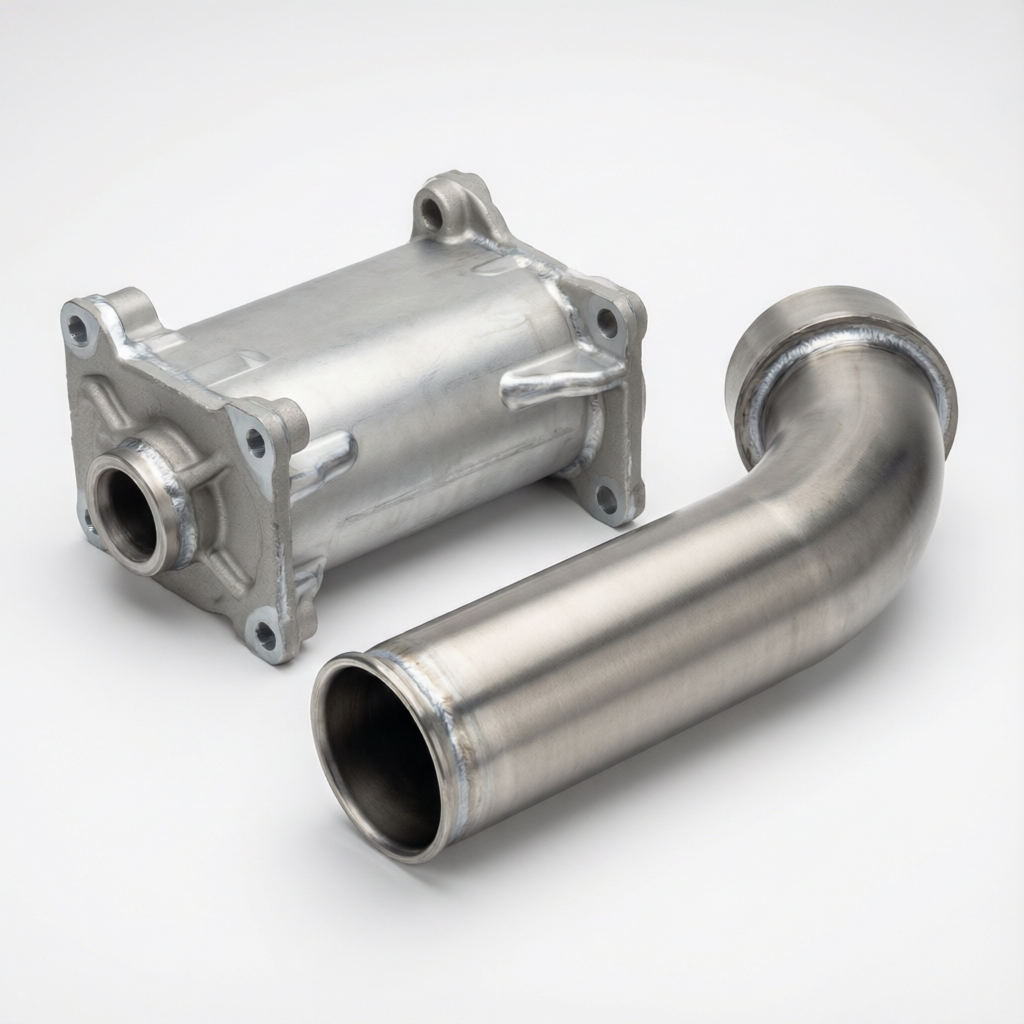
EGR Delete Kit | 2008-2010 Ford Powerstroke 6.4L
The ultimate top-end revitalization kit engineered to maximize intake volume and permanently seal off the abrasive soot loop.

If you want to rescue your 6.4L from heavy carbon choke and give your engine bay a professional, race-ready look, this premium aluminum-alloy upgrade is the definitive solution.
-
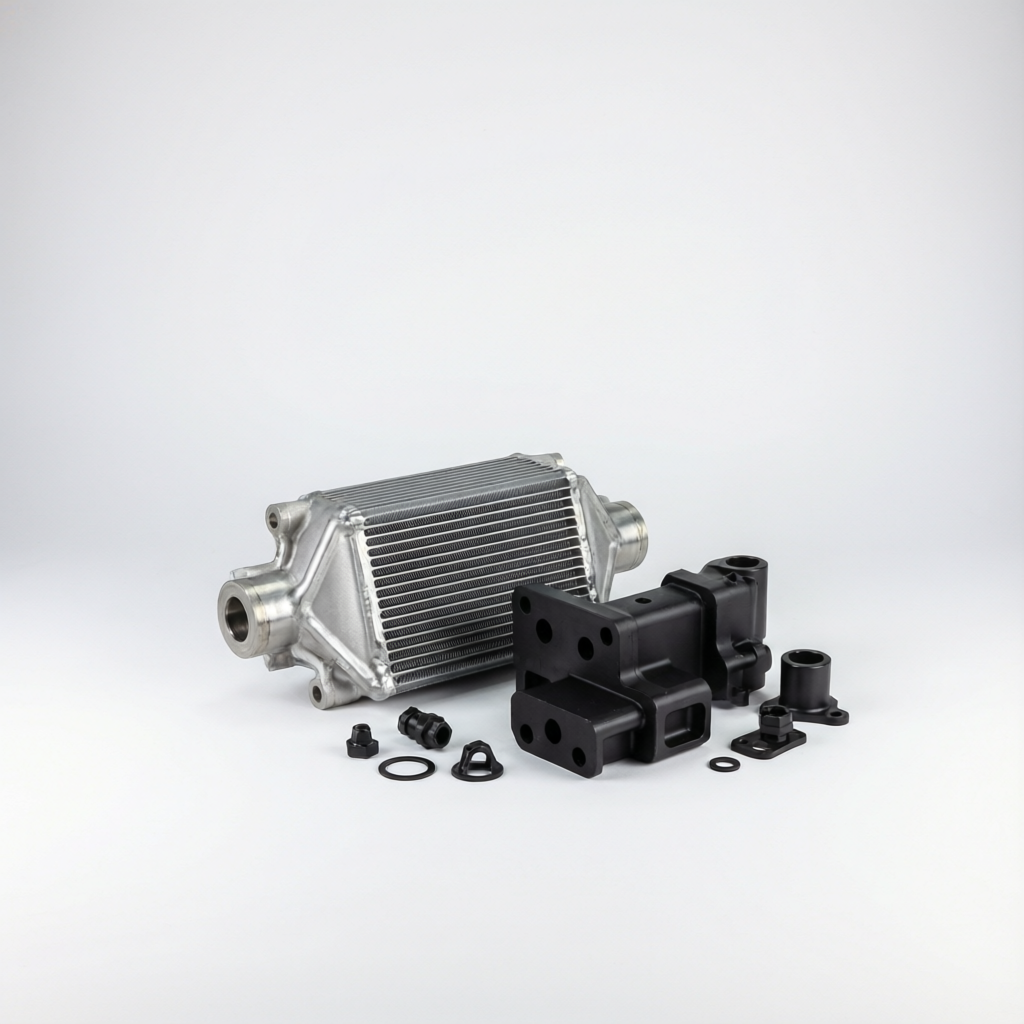
Premium Aircraft-Grade Aluminum: Precision-machined from top-tier aluminum alloy, this kit delivers exceptional heat dissipation while maintaining absolute structural integrity under heavy boost.
-
Pure Ambient Intake Air: Permanently blocks hot, corrosive exhaust gases from re-entering the motor, ensuring your cylinders breathe only 100% clean, crisp oxygen.
-
Eradicates Carbon Sludge: Eliminates built-up soot and stuck factory valves to immediately drop your long-term maintenance costs and prevent top-end failure.
-
Polished High-Flow Airflow: Features a mirror-polished aluminum high-flow intake elbow that smooths out internal air turbulence, drastically improving throttle response and maximizing fuel efficiency.
-
Optimized Thermal Loop: By bypassing the factory EGR cooler entirely, engine coolant temperatures run significantly cooler, saving your system from destructive thermal cycling.
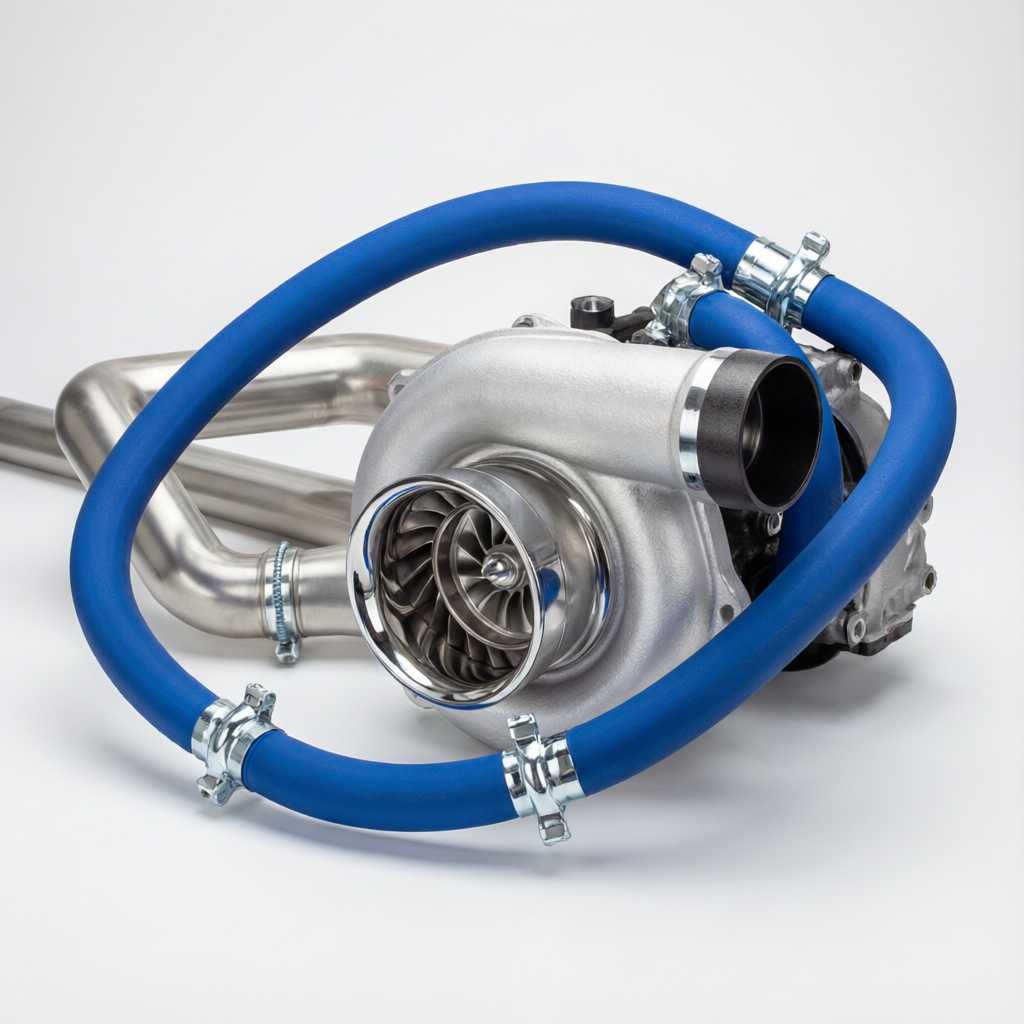
4" DPF Delete Pipe/EGR Delete | 2008-2010 Ford Powerstroke 6.4L
The all-in-one track transformation package engineered to completely liberate the 6.4L architecture from intake and exhaust restrictions.

If you're ready to transition your Super Duty to a dedicated off-road competition or sled-pulling rig, this integrated package delivers the ultimate mechanical cleanup:
-
Dual-System Elimination: Disposes of both the fragile factory EGR cooler assembly and the highly restrictive DPF filter in one streamlined, unified installation.
-
4-Inch High-Velocity Piping: The massive 4-inch exhaust replacement section maximizes gas evacuation speed, slashing backpressure and dropping turbo spool times dramatically.
-
Mandrel-Bent 409 Stainless Steel: Crafted entirely from industrial-grade 409 stainless steel to survive extreme heat cycles, road salt, and harsh under-car oxidation.
-
O.E.M. Precision Fitment: Designed specifically around the 2008-2010 6.4L Ford Powerstroke engine bay footprints, utilizing factory hanger locations for a seamless, hassle-free bolt-on experience.
Conclusion
Deciding to delete the EGR system on a 6.4L Powerstroke is the definitive turning point in your truck's operational life. It represents the transition from managing factory design flaws to unlocking pure, unadulterated diesel efficiency.
Ready to move from research to action? Head over to www.ifjf.com right now. We provide the specialized resources your build needs to succeed—including real-world installation reports, hands-on dyno-proven performance comparisons, and an elite inventory of rugged, track-tested hardware. Find your definitive 6.4L Powerstroke solution today at our website.
FAQs About 6.4L Powerstroke EGR Delete
Q1: What kind of ongoing maintenance is required after executing an EGR delete?
A1: You must still adhere to strict maintenance intervals for routine engine oil changes, fresh fuel and air filter replacements, and regular fuel injector cleanings to keep the high-pressure common-rail system healthy.
Q2: Can I save money by simply blocking off the EGR valve and leaving the rest of the system intact?
A2: Simply jamming the valve shut or plugging it without a complete delete and proper computer calibration will cause severe engine knocking, dangerously elevated combustion temperatures, and immediate check engine lights. Furthermore, leaving a fragile factory EGR cooler under the hood still exposes your engine to potential internal cracking and catastrophic coolant leaks.
Q3: What is the realistic time frame for completing a full 6.4L Powerstroke EGR and DPF delete?
A3: For an experienced diesel technician with a vehicle lift and professional shop tools, the mechanical tear-out and software flashing typically takes around 2 to 4 hours. If you are a DIY enthusiast tackling this on your driveway with standard hand tools, you should realistically budget a full Saturday (6 to 8 hours).
Q4: Can installing an EGR delete kit cause any mechanical damage to my 6.4L Powerstroke?
A4: When paired with proper custom software tuning and installed correctly, a premium EGR delete kit will not damage your engine—in fact, it extends its lifespan. Mechanical issues or diagnostic fault codes only arise if the physical installation is botched or if you attempt to run the truck without the mandatory delete tuning.
Q5: How does removing the factory EGR system impact my truck's heavy towing performance?
A5: It drastically improves it. When you are hauling heavy trailers up steep grades, your 6.4L works under extreme stress. Removing the EGR ensures your twin-turbos swallow only clean, oxygen-rich air rather than blistering $1300^\circ\text{F}$ spent exhaust. This results in cleaner combustion, crisper throttle response, and significantly lower, more stable Exhaust Gas Temperatures (EGTs)—giving you much more confidence when pulling heavy loads.