
When it comes to heavy-duty hauling, industrial farm work, and pure towing grit, nothing matches the reputation of the Ram Cummins 6.7L inline-six diesel engine. Introduced midway through the 2007 model year, this commercial-grade powerhouse is designed to log hundreds of thousands of miles without flinching.
However, if you are prepping your truck for closed-course competition, private property agricultural work, or dedicated off-road trails, the factory Exhaust Gas Recirculation (EGR) loop stands as the biggest roadblock to your engine's true longevity. For off-road applications, deploying a premium Cummins EGR delete kit is the ultimate way to eliminate carbon choking, protect your cylinder head, and unlock the true million-mile reliability of your inline-six.
Why the Stock 6.7L EGR Setup Fails
Grid Heater & Air Plenum Carbon Fouling
When dry, abrasive carbon soot particles mix with wet oil vapors from the factory Crankcase Ventilation (CCV) system, they form a thick, black, tar-like sludge. This sludge cakes directly onto your intake manifold air plenum and grid heater, severely choking off fresh airflow, dropping fuel economy, and killing throttle response.
Stuck Actuators & Throttle Valves
When these moving mechanical parts are subjected to a continuous blast of sticky carbon crust, they bind up and fail, triggering Check Engine Lights (CEL) and forcing the engine into an aggressive power de-rate ("limp mode").
Internal Cooler Cracking & Hydrolock
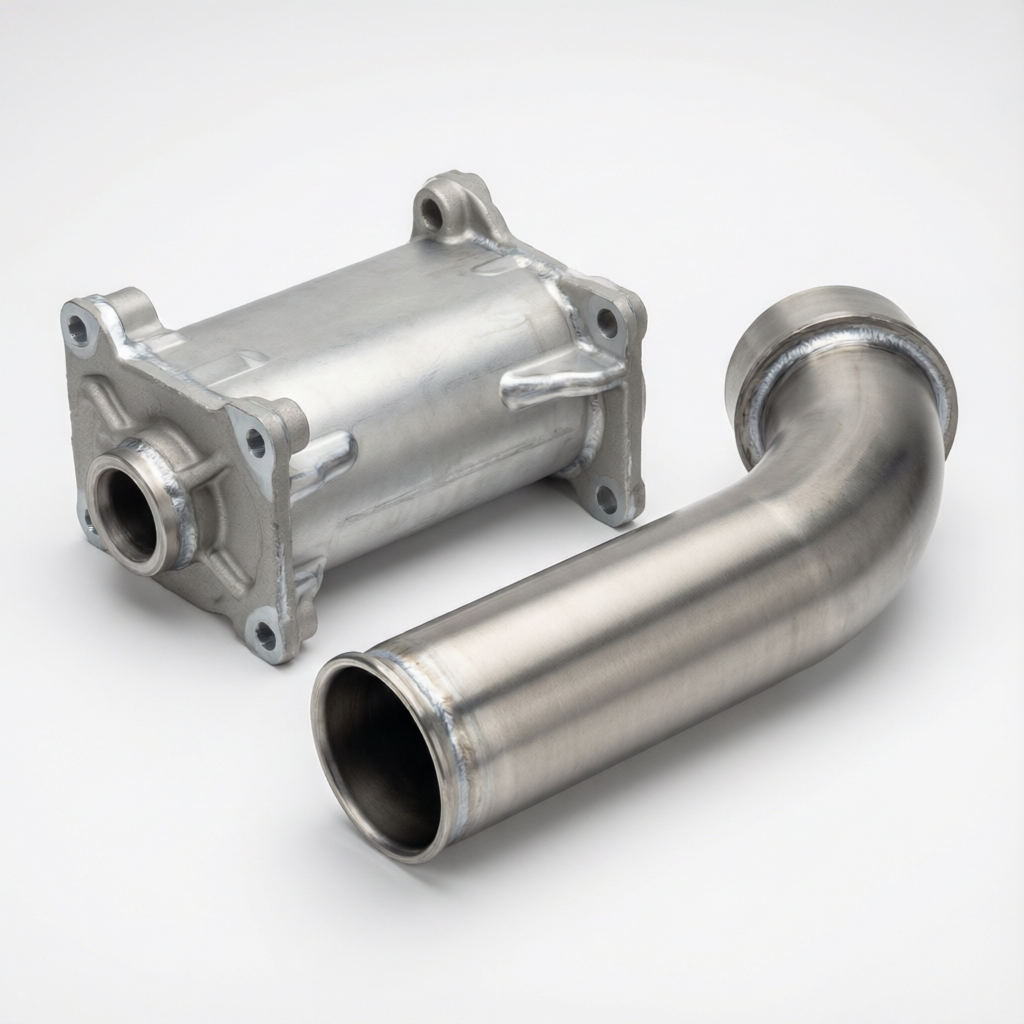
Over time, intense thermal cycling causes the internal metal tubes to fatigue and split. Once cracked, engine coolant leaks directly into the exhaust track. If it pools inside the cylinders overnight while parked, attempting to start the truck the next morning results in hydrolock—instantly bending connecting rods and ruining the engine block.
Extended Benefits
Beyond protecting your truck from catastrophic failures, removing the bulky factory EGR framework provides several massive operational advantages that completely change the ownership experience:
-
EGT Reduction: Eliminating the recycling of superheated exhaust gases directly lowers your overall Exhaust Gas Temperatures (EGTs). This allows your turbocharger to run cooler and significantly reduces the thermal load on your cylinder head gaskets.
-
Drastic Under-Hood Real Estate Gains: The factory EGR cooler, bypass valves, and crossover piping take up an enormous amount of space on the passenger side of the engine bay. Removing this clutter opens up the engine compartment, giving you clear, unhindered access to the turbocharger, oil filter, oil lines, and exhaust manifold for routine maintenance.
-
Uncompromised Oil Clarity: Because your engine is no longer swallowing fresh soot, your motor oil stays cleaner significantly longer. You will notice during oil changes that the oil retains its proper viscosity and lacks the gritty, abrasive carbon texture common to heavily restricted emissions-era trucks.
Comprehensive Cost-Benefit Analysis
Before turning wrenches, it makes mathematical sense to look at the financial realities of maintaining a stock emissions system versus investing in an off-road upgrade kit.
| Feature / Expense | Stock Factory EGR Setup | Upgraded Off-Road Kit |
| Upfront Hardware Cost | $0 (Until components break) | $100 - $350 (Depending on options) |
| Dealership Repair Cost | $1,500 - $3,000 per cooler/valve replacement | $0 (Permanently removed) |
| Intake Air Quality | Heavily contaminated with soot/sludge | 100% Clean, Fresh Oxygen Only |
| Under-Hood Working Space | Extremely cramped and cluttered | Open and highly serviceable |
| Engine Hydrolock Risk | Constant threat over 100k miles | Zero Risk |
| Fuel Economy (MPG) | Restrictive and inefficient | 1 - 3 MPG Improvement |
Picking Your Hardware Upgrade
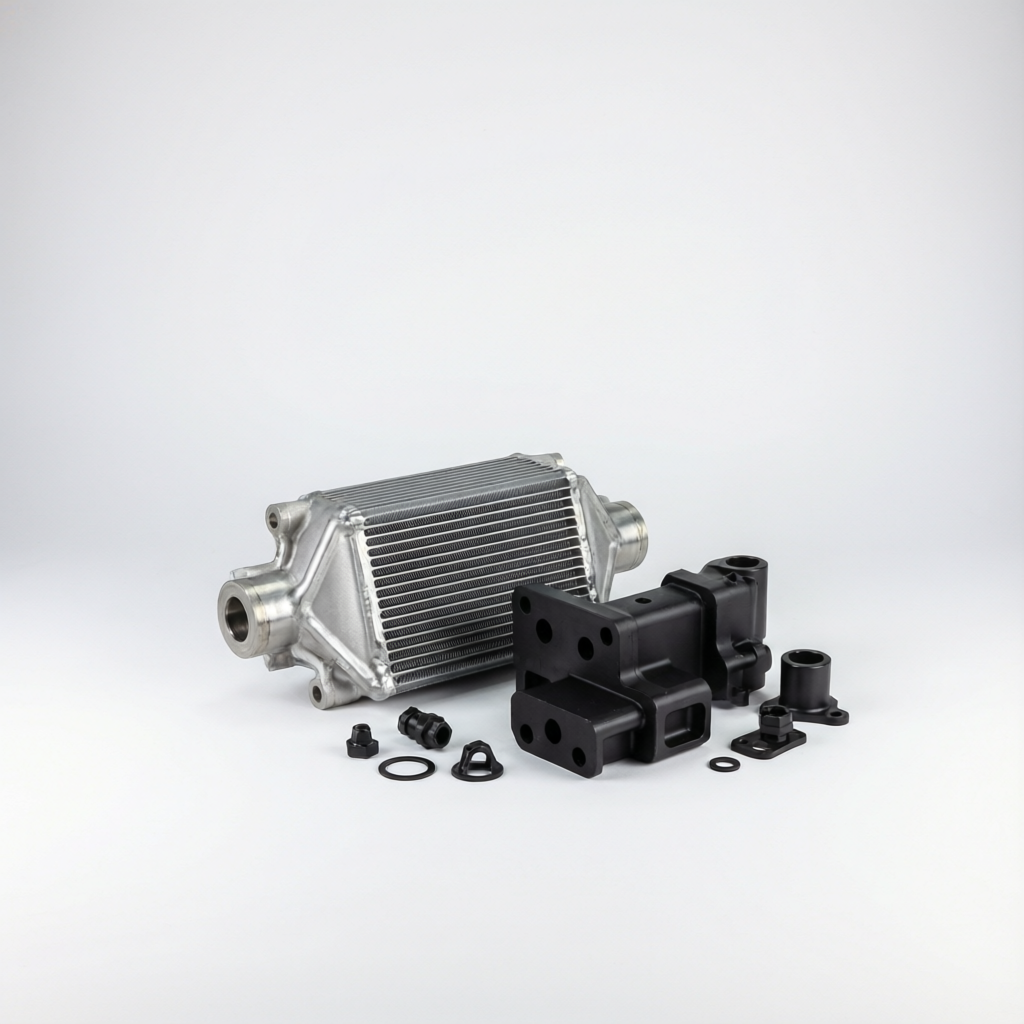
To completely eliminate these failure points for off-road tracks and private land operations, you need precision-machined blocker plates and bypass lines engineered to fit your specific generation of the 6.7L platform. Explore our heavy-duty product lineup to find the exact match for your rig:
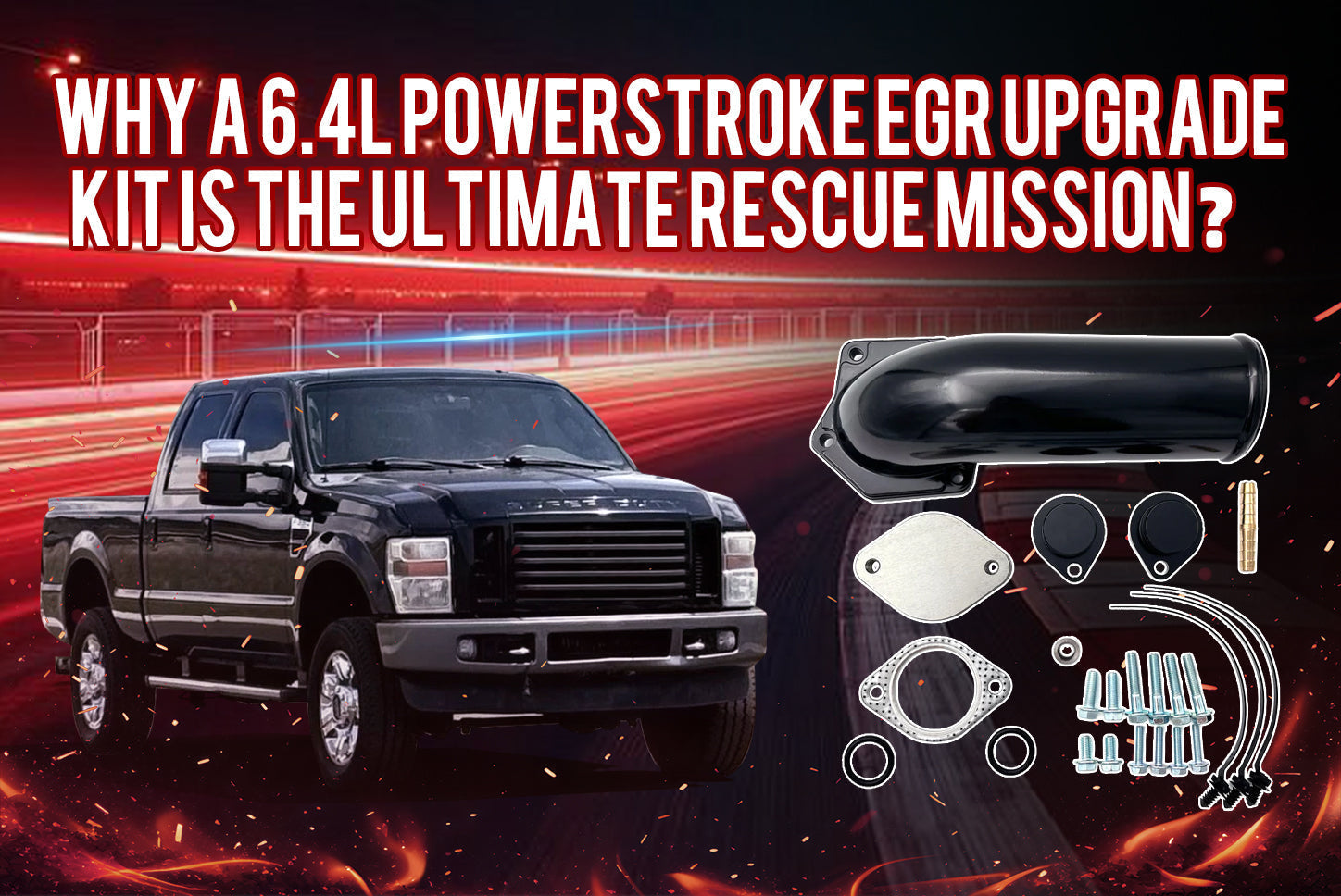
EGR Delete Kit | 2007-2009 Ram Cummins 6.7L
This EGR delete kit is built exceptionally tough to withstand the high thermal loads and extreme physical stresses common to heavy competition sled-pulling or track racing. The surfaces are meticulously hardened and polished to maximize structural strength and drastically reduce friction inside the block-off zones.

Key Product Advantages:
- Materials: Structural Aluminum Alloy, Stainless Steel, and High-Grade Silica Gel.
- High-Load Resistance: Delivers a perfect balance of tensile strength and long-term hardware durability under high boost pressures.
- Premium Materials: Utilizes heavy-duty stainless steel components where exhaust gas heat is most severe to prevent warping.
- Flawless Seal: Ensures smooth, reliable operation and a leak-free seal across your early 4th Gen engine bay.
EGR Delete Kit | 2009-2024 Dodge Ram Cummins 6.7L
This 2009-2024 EGR upgrade kit solves a major Cummins design flaw: heat stagnation at the very back of the long inline-six engine block. It features specialized reroute hardware designed to transport engine coolant directly to the rear of the cylinder head between cylinders 5 and 6, stabilizing engine temperatures and protecting your head gasket.

Key Product Advantages:
- Materials: CNC Precision-Machined Billet Aluminum Alloy.
- Rear Coolant Reroute: Protects vulnerable rear cylinders (5 and 6) from critical thermal hot spots and blown head gaskets.
- EGT Monitoring Ready: Arrives with a Pre-Tapped Manifold Block-Off Plate ready for immediate EGT (Exhaust Gas Temperature) probe installation.
- Stud-Free Install: Features a beautifully flush, CNC-machined Intake Blocker Plate and a custom riser bracket that bypasses stubborn exhaust studs entirely.
EGR Delete Kit | 2010-2024 Ram Cummins 6.7L
Intended strictly for off-road closed-course competition or private land use, this heavy-duty kit completely swaps out the factory-issued cooler and valve setup. By rerouting your coolant lines away from the blistering hot exhaust track, engine coolant temperatures run noticeably cooler under heavy loads.

Key Product Advantages:
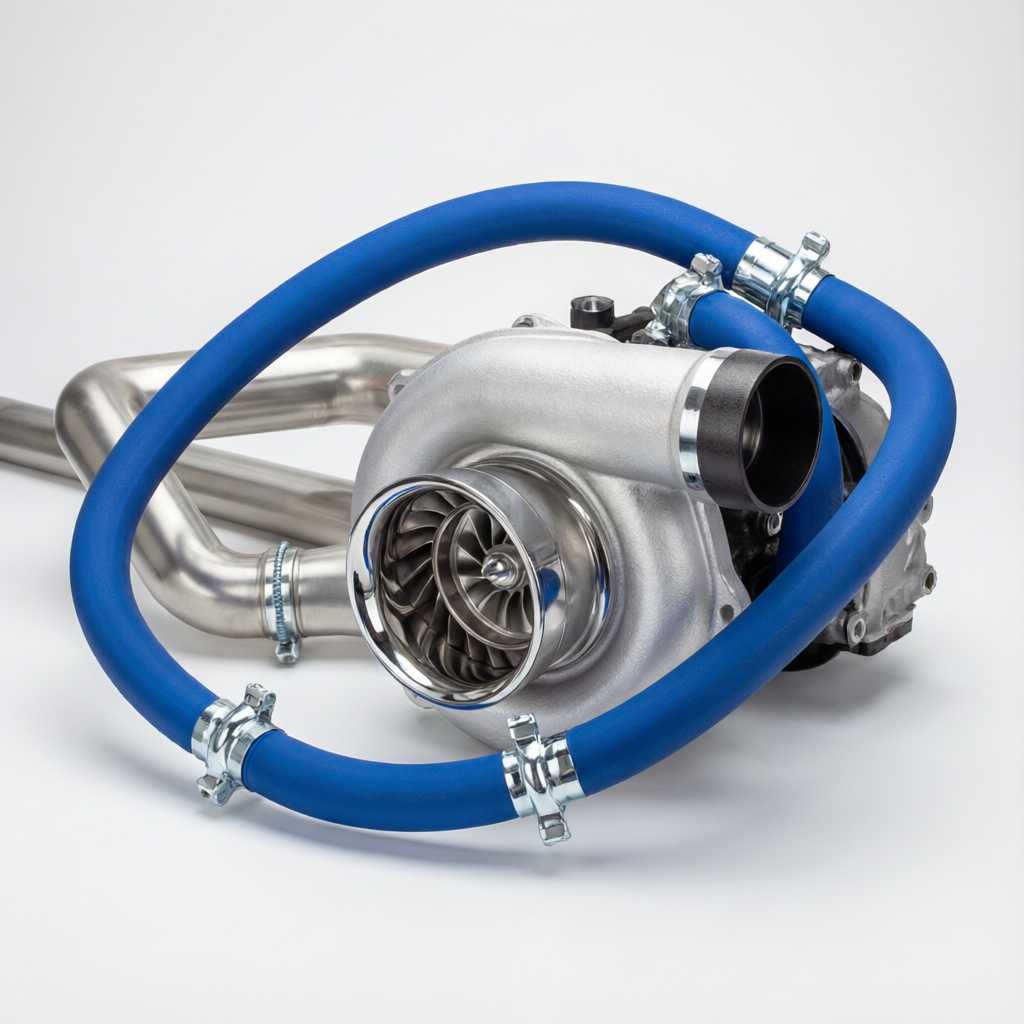
- Materials: Aircraft-Grade Aluminum Alloy and High-Temp Reinforced Silicone.
- Maximum Air Velocity: Aerodynamically optimized to increase airflow and reduce turbulence to promote an overall more efficient engine.
- Thermal Control: Significantly lowers under-hood thermal loads and drops coolant temperatures because fluid no longer passes through a hot cooler.
- Soot Elimination: Permanently eliminates heavy carbon soot buildup and stuck factory EGR valves under the hood.
Overview of the Installation Steps
For those planning to tackle this modification in their garage, the overall installation fluidly flows through four main phases:
-
Phase 1: Prep and Drain: Allowing the engine to cool, isolating the electrical system by disconnecting the negative battery terminals, and draining roughly 2-3 gallons of engine coolant to prepare the system.
-
Phase 2: Component Teardown: Unplugging the factory wiring harnesses, removing the crossover tube running across the valve cover, unbolting the throttle valve, and extracting the bulky factory cooler core assembly from the passenger side.
-
Phase 3: Fitting the Blocker Plates: Cleaning the mating surfaces thoroughly to remove old carbon grit, followed by securing the new heavy-duty blocker plates over the exhaust manifold and intake plenum faces to handle high turbo boost pressures.
-
Phase 4: Coolant Bypass & Reassembly: Installing the silicone or aluminum coolant bypass line to keep fluid recirculating across the cylinder head, refilling the engine coolant, and flashing the engine control module (ECM) with custom off-road calibration software before the first startup.
Critical Hazards & Maintenance Tips
-
Clean Mating Surfaces are Vital: Any leftover carbon grit or old gasket paper on the manifold faces will create an immediate boost leak under heavy turbo load, resulting in an annoying whistling noise and lost power.
-
Purge Trapped Air Pockets: Because the cooling system is opened and rerouted, air bubbles will naturally form inside the cylinder head. Always let the truck idle with the radiator cap off to fully "burp" out trapped air before heavy driving.
-
Tuning Calibration Required: You cannot run this physical hardware on a factory engine tune. Because the emissions actuators are missing, the truck will instantly flag a critical error and lock itself into a permanent 5-MPH restricted limp mode until flashed with off-road tuning software.
-
Post-Install Check: For the first 500 miles, visually inspect the new bypass hoses and blocker plates for any signs of weeping coolant, and re-snug the hardware once the components settle into their initial thermal cycles.
Get Your Build Started Right
Don't let a clogged valve choke out your throttle response or a leaking internal cooler ruin your cylinder head. Take control of your truck’s mechanical reliability before a factory breakdown leaves you with a massive repair bill.
Visit www.ifjf.com today to explore our full selection of heavy-duty DPF & EGR upgrade hardware, high-flow stainless steel exhaust sections, and custom racing bundles engineered to keep your 6.7L Cummins running cooler, stronger, and longer.
FAQs About Cummins EGR Upqgrade Kit
Q1: Do I absolutely have to flash my truck’s computer (ECM) with a custom tune after deleting the EGR?
A1: Yes, absolutely. If you install this physical hardware on a stock factory tune, your ECM will immediately notice that the EGR actuators and temp sensors are gone. The truck will throw a Check Engine Light (CEL) and drop into a severe, 5-MPH restricted limp mode within minutes.
Q2: Why does the article mention "Hydrolock" as a stock EGR failure mode?
A2: The factory EGR cooler is filled with tiny internal metal tubes surrounded by engine coolant. Over time, extreme thermal stress cracks these tubes. When you park the truck overnight, coolant leaks through the cracks and pools inside the cylinders. Since liquid cannot be compressed, turning the key the next morning instantly bends your connecting rods and destroys the engine block.
Q3: Can I reuse my factory multi-layer steel gaskets when installing the new blocker plates?
A3: Never reuse old crushed exhaust gaskets. They are designed for a single-use crush fit. Reusing them with new aluminum or steel blocker plates guarantees a massive boost leak, which will cause an annoying whistling noise under load and a noticeable drop in turbo pressure. Always use fresh gaskets.
Q4: How exactly does this kit improve my truck’s fuel economy (MPG)?
A4: In stock form, your engine is constantly choking on dirty, oxygen-depleted exhaust gas, forcing it to burn more fuel to generate towing power. By replacing that bottleneck with an upgrade kit, your intake plenum breathes nothing but 100% clean, fresh oxygen, maximizing combustion efficiency and netting a 1 to 3 MPG gain.
Q5: What should I do if I notice a slight coolant drop or "weeping" a few days after installation?
A5: This is completely normal as the new silicone bypass hoses and machined fittings adjust to their first few thermal heat cycles. Wait for the engine to cool down completely, check all your hose clamps, and give the blocker plate bolts a quick re-torque to ensure everything is seated perfectly tight.