
If you own a modern 6.7L diesel truck—whether it's a Ford Powerstroke or a Ram Cummins—you've probably heard about EGR delete kits. But before you buy one, you need to understand what the factory EGR system actually does, why it causes so many problems, and what you're really getting into. This guide breaks down the pros, the cons, and the real-world trade-offs, so you can make an informed decision.
Why You Need to Understand EGR First
Don't rush to buy a delete kit. Before turning a single bolt, figure out how the factory system actually works.
EGR (Exhaust Gas Recirculation) has a simple core idea: send some exhaust back into the engine, lower combustion temps, and reduce NOx emissions.
- From an environmental standpoint — it works.
- From a owner's standpoint — the headaches often outweigh the benefits.
Three Common Problems
Real-world use on high-mileage diesel engines shows these issues are almost unavoidable:
Carbon Buildup Chokes the Intake
Anyone who's pulled the intake manifold on a 6.7L knows the sight — every surface coated in thick black carbon. The results:
-
Effective diameter of intake passages shrinks
-
Turbocharger has to work harder
-
Less power + higher exhaust temps under heavy load
Failure-Prone
This part uses engine coolant to cool down exhaust. Both sides cause trouble:
-
Coolant side → corrosion
-
Exhaust side → carbon buildup
When the cooler clogs or cracks, two things happen:
-
Coolant leaks into exhaust → white smoke
-
Exhaust gasses pressurize the cooling system → overheating
Dealer replacement cost: $800–$1,200. Worse? After 80,000 miles, it'll probably fail again.
Exhaust Takes Up Space Meant for Fresh Air
Hot exhaust fills space that should have fresh air. Less oxygen means:
- Incomplete combustion
- Worse fuel economy
- Higher cylinder temps
Bottom line — the EGR system limits the engine's ability to make power efficiently.
Quick Look at Two 6.7L Diesel Engines
Cummins 6.7L Inline-Six
In production since 1989, found in Dodge/Ram pickups. The 2025 model follows the same philosophy: simple, tough, and long-lasting.
Pros
- Ridiculous lifespan — 300,000–500,000 miles is just broken in
- Strong low-end torque — 1,075 lb-ft at 1,700 rpm
- Towing heavy loads uphill? No need to floor it
Cons
- Down on horsepower — 420 hp, almost 80 less than Ford
- Solid but not exciting
- Noticeable idle vibration and noise (comes with the inline-six design)
- Brief turbo lag before boost hits
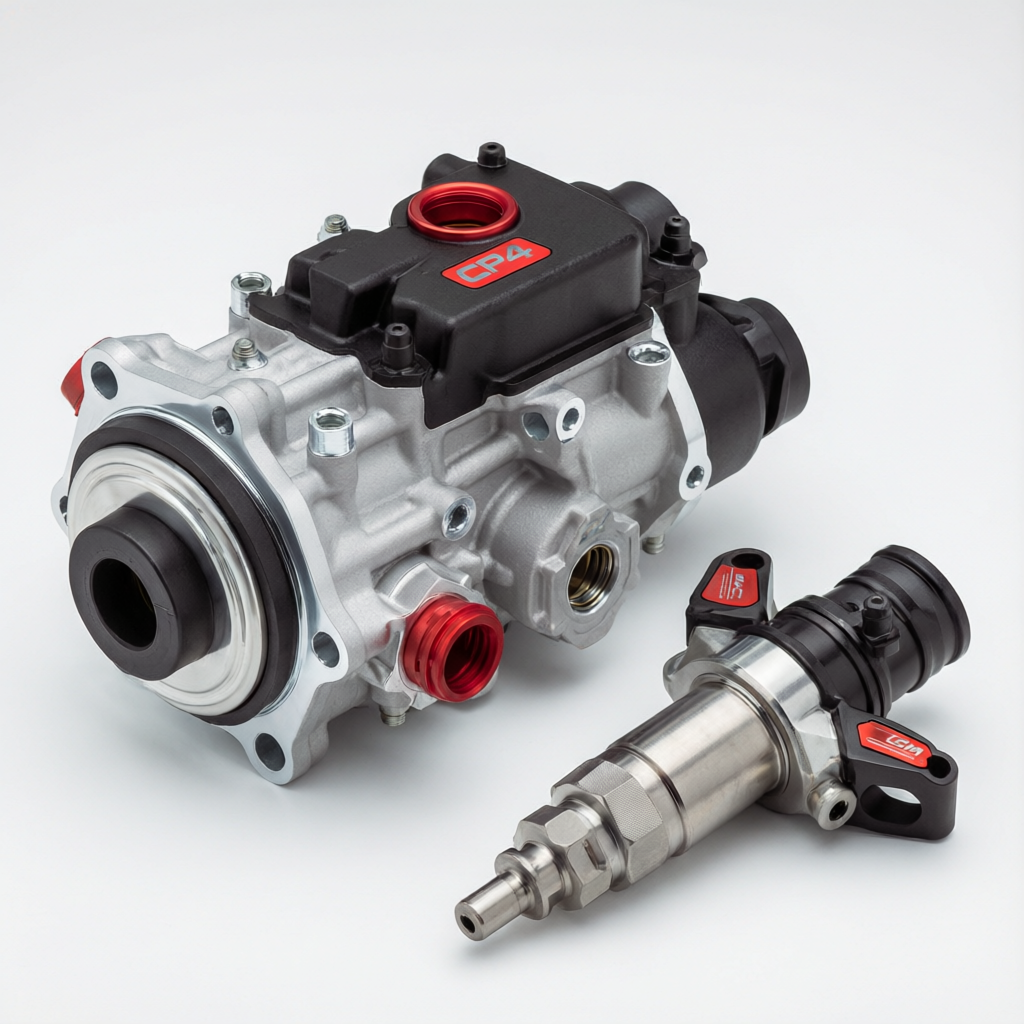
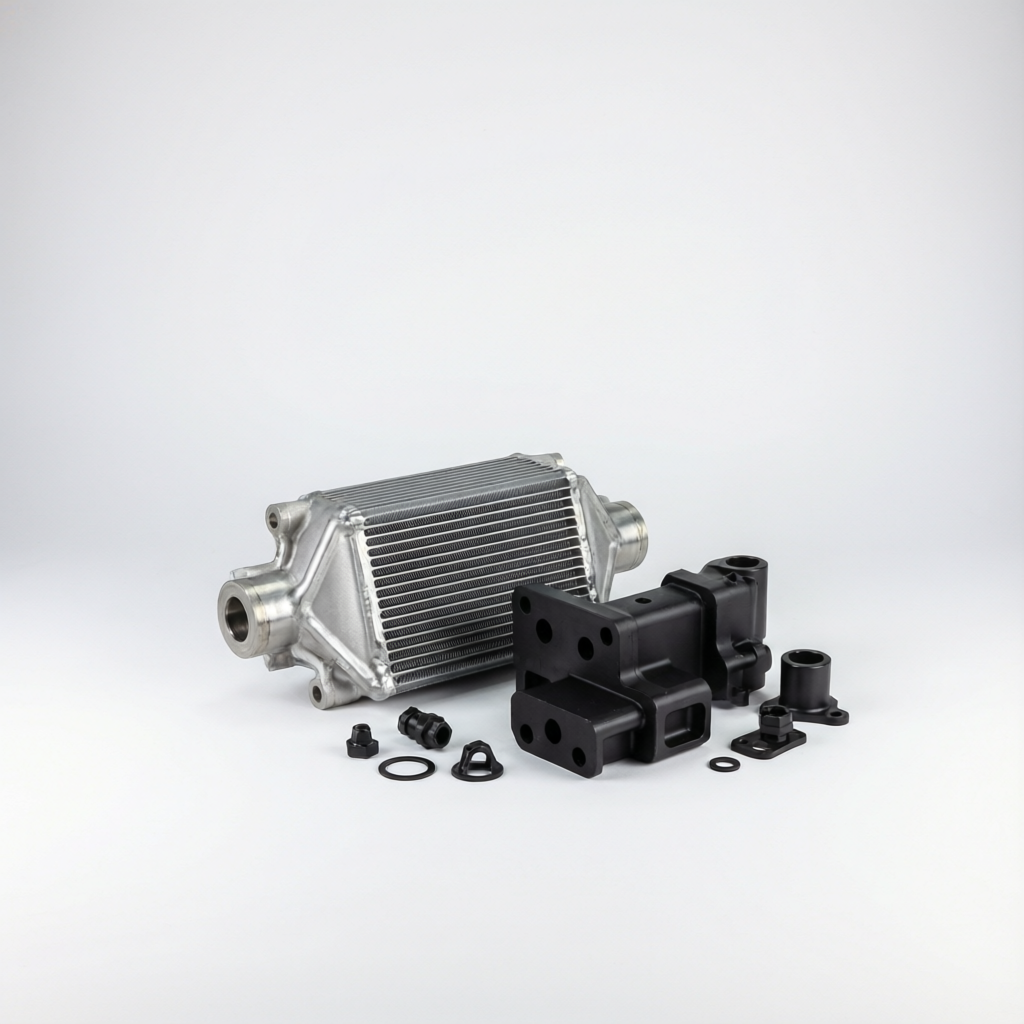
EGR Delete Kit | 2013-2018 Ram Cummins 6.7L
For owners of 2013–2018 Ram 2500 or 3500 with the 6.7L Cummins, this EGR kit is made of high-quality materials and can perfectly replace the original factory version.

Key benefits:
- Hot exhaust gasses are no longer routed back into the engine
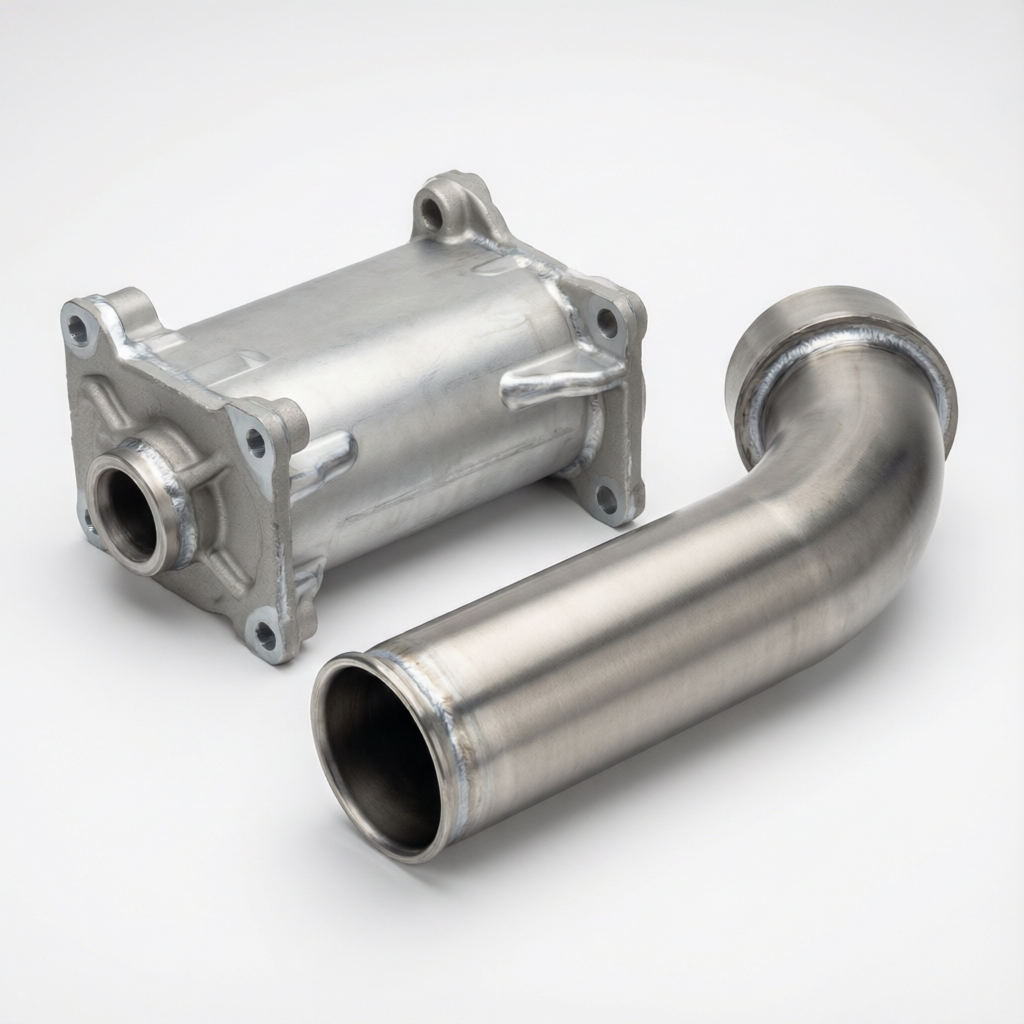
- Fully replaces the EGR valve and EGR cooler
- Complete installation — no extra parts needed
- Coolant no longer passes through the EGR cooler, so coolant temps stay lower
- Faster and more efficient coolant circulation than the factory EGR system
- Removes the EGR cooler, cross pipe, and actuator
- Significantly reduces carbon buildup in the intake tract
Powerstroke 6.7L V8
Ford has been building these since 1994. The 2025 model is nothing like the problem-prone early years. One clear goal: be the towing king.
Pros
- Crazy numbers — 500 hp / 1,200 lb-ft of torque
- Towing capacity over 30,000 lbs
- Full tow ecosystem from Ford — integrated brake controller, tow/haul mode, exhaust brake
- No need to ride the brakes downhill
Cons
- Never buy older used models — 2008–2010 6.0L and 6.4L have very high failure rates (head gaskets and EGR)
- High-pressure fuel pump (HPFP) is still a weak point — repair runs $1,500–$3,000
- DPF hates short trips — driving only 5 miles a day will clog it. Needs highway speeds to regen.
EGR Delete Kit | 2011-2023 Ford Powerstroke 6.7L
If you own a 2011–2023 Ford Powerstroke and you're done dealing with EGR-related headaches, this delete kit is built for you.

What's in it:
- Materials: Aluminum + stainless steel
- CNC-machined billet aluminum and stainless steel — built to last
- Exhaust manifold cover plate with 10mm hole for Ford EGT probe
- Factory-fit cover plate for Ford's EGT probe
Key benefits:
- Cuts down expensive EGR system maintenance costs
- Includes an upgraded coolant circulation plate
- Faster coolant flow means lower coolant temperatures
EGR Delete Kit Installation Steps
Only do this if local laws allow it. Standard process:
- Park and cool down — Level ground, engine completely cold
- Remove the hood — To access EGR components
- Take everything off in order — EGR valve, EGR cooler, related parts
- Install replacement parts — Block-off plates and seals in place, bolts tight, sealing surfaces fully covered
- Connect the tuner — Plug into the ECU, adjust parameters per kit instructions
- Reassemble — Put everything back, check that all connections are secure
- Test run — Start the engine, let it run a few minutes, check for leaks or odd noises
- Fine-tune — Adjust based on real driving feel to find the best balance of power and fuel economy
Three Costs of Deleting EGR
Environmental Impact
- NOx emissions go up significantly
- Real negative effect on air quality
- Environmentally conscious owners need to think carefully
Legal Risk
- In some areas — removing EGR is straight-up illegal
- Many states check for EGR during annual inspection
- If caught → fines or failed inspection
- Check your local laws before doing anything
Voided Warranty
- Almost every manufacturer's warranty says: modify emissions controls = warranty void
- Engine and related parts no longer covered
Conclusion
An EGR delete kit will solve real problems — carbon buildup, cooler failures, and power limitations. But this is never just a technical decision. Environmental, legal, and warranty concerns — three hurdles you can't ignore. The two kits featured above are built specifically for their respective engines: the 2011-2023 Ford Powerstroke kit focuses on durability, EGT probe compatibility, and faster coolant circulation, while the 2013-2018 Ram Cummins kit offers a complete EGR valve and cooler replacement with cleaner intake routing.
Ready to ditch your EGR problems for good? Visit www.ifjf.com to shop the 2011-2023 Ford Powerstroke and the 2013-2018 Ram Cummins 6.7L EGR Delete Kit. Precision CNC-machined components, direct fit, and fast US shipping. Your engine was built to last — let it breathe the way it was meant to. Order today.
FAQs About 6.7L EGR Delete Kit
Q1: Can I go back to stock after installing the delete kit?
A1: Yes, you can restore the factory setup as long as the delete kit was installed correctly. But here's the reality — buying all the original EGR components and paying someone to put them back in isn't cheap. Do the math on parts and labor before you pull the trigger.
Q2: What should I look for when buying an EGR delete kit for my 6.7L Cummins?
A2: Two things matter most: material quality and design completeness. A good kit uses stainless steel or aluminum and comes with a full coolant bypass solution — that's how you keep the engine cooling properly. Also make sure it bolts up to factory mounting points.
Q3: Will an EGR delete kit reduce engine wear?
A3: Yes. Here's why — when exhaust stops going back through the engine, carbon buildup in the intake system drops significantly. Less carbon means less wear on internal parts, which adds up to better long-term reliability.
Q4: How long will my 6.7L Cummins last after deleting the EGR?
A4: As long as a stock engine — provided the tune is right and you're not driving like a maniac. Two things make or break it: good driving habits and staying on top of maintenance. Beat on it every day or run a bad tune, and no engine will last.
Q5: My check engine light came on after deleting the EGR. What should I do?
A5: Don't panic. Work through these three possibilities: 1.Sensor wasn't properly blocked out → needs a re-tune; 2.Exhaust leak somewhere → check every connection and seal; 3.Turbo pressure readings are off → inspect the exhaust valve. Find the real cause, then fix what's actually broken.