
If you own an L5P Duramax, it's not a matter of if the EGR system will give you problems – it's when. Coolant mixing into your combustion chambers. Intake manifolds caked with carbon. Fuel mileage creeping down without you even noticing. These are the classic EGR headaches. And for a lot of owners, the only real fix is to delete it.
But pulling the EGR isn't just yanking a hose and calling it a day. Which kit do you buy? How do you install it? Do you need a tune? Is any of this even legal? This guide isn't a rehash of product pages. It tells you what you actually need to know.
What an EGR Delete Actually Gets You
What you gain:
-
No more exhaust gas diluting your intake air – turbo spools noticeably faster
-
Exhaust gas temps (EGT) drop 200–300°F, so towing heavy won't have you white-knuckling the whole time
-
Fuel economy improves by 3–5 MPG in mixed driving
-
You stop replacing EGR coolers every couple years – that's $1,200–$2,000 back in your pocket
What you lose:
-
Street legality (not a single US state allows this on a road-driven truck)
-
Factory warranty (if a dealer finds the delete, your powertrain coverage is toast)
-
Any chance of passing inspection (guaranteed fail)
This isn't a "should I or shouldn't I" question. It's an "is it worth it for my situation" question. Off-road, farm, track, or closed-course use only – period.
Two Main L5P Delete Kits: Pick Your Lane
There are plenty of kits out there, but they really break down into two approaches: basic EGR deletion and full emissions system removal. Which one is right for you depends on how far you want to take it.
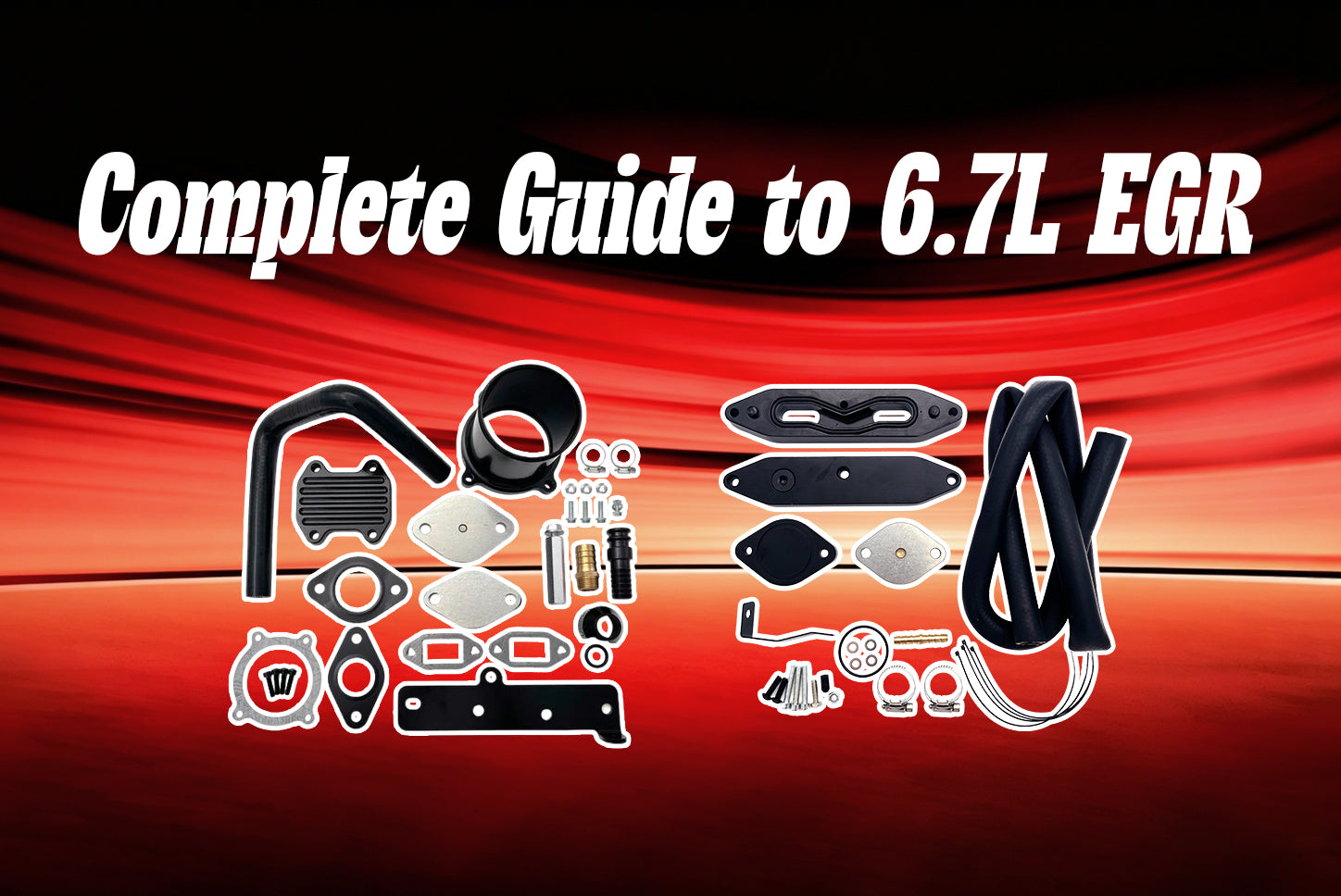
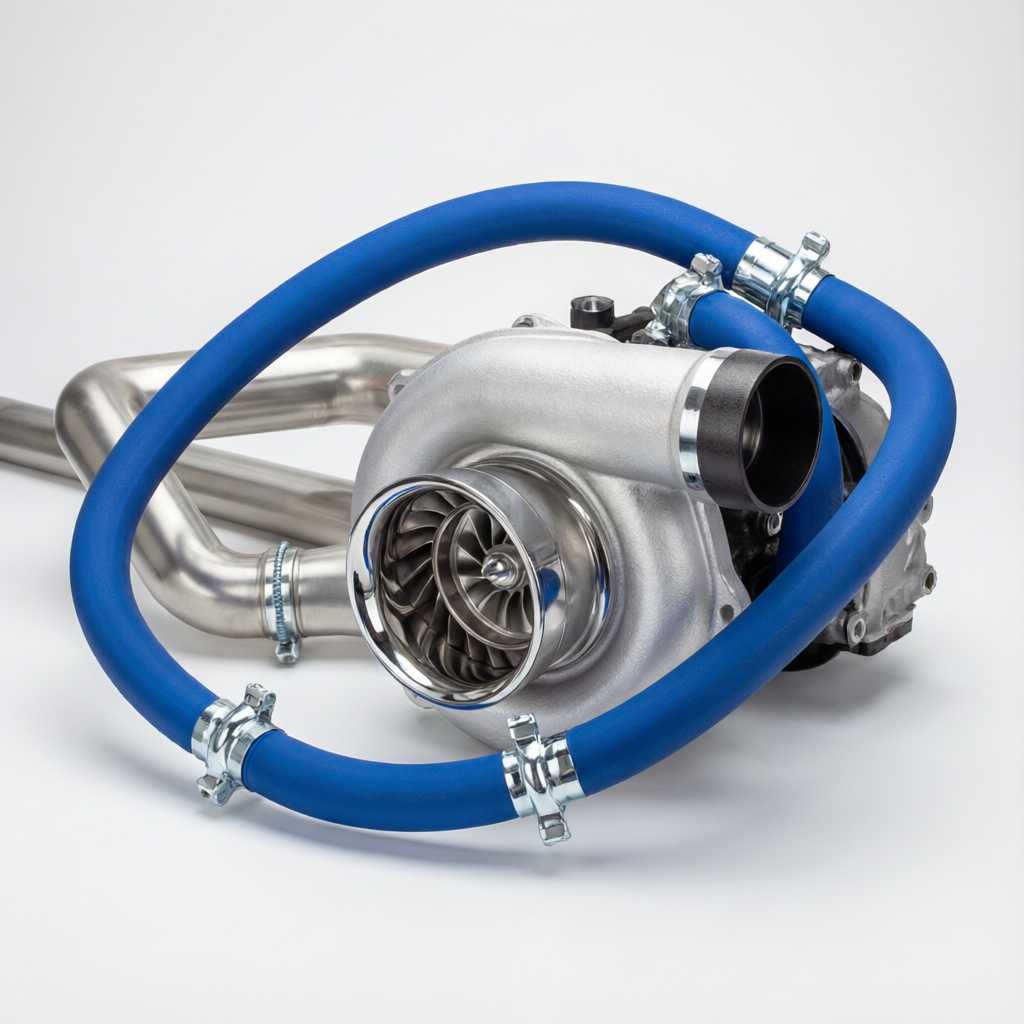
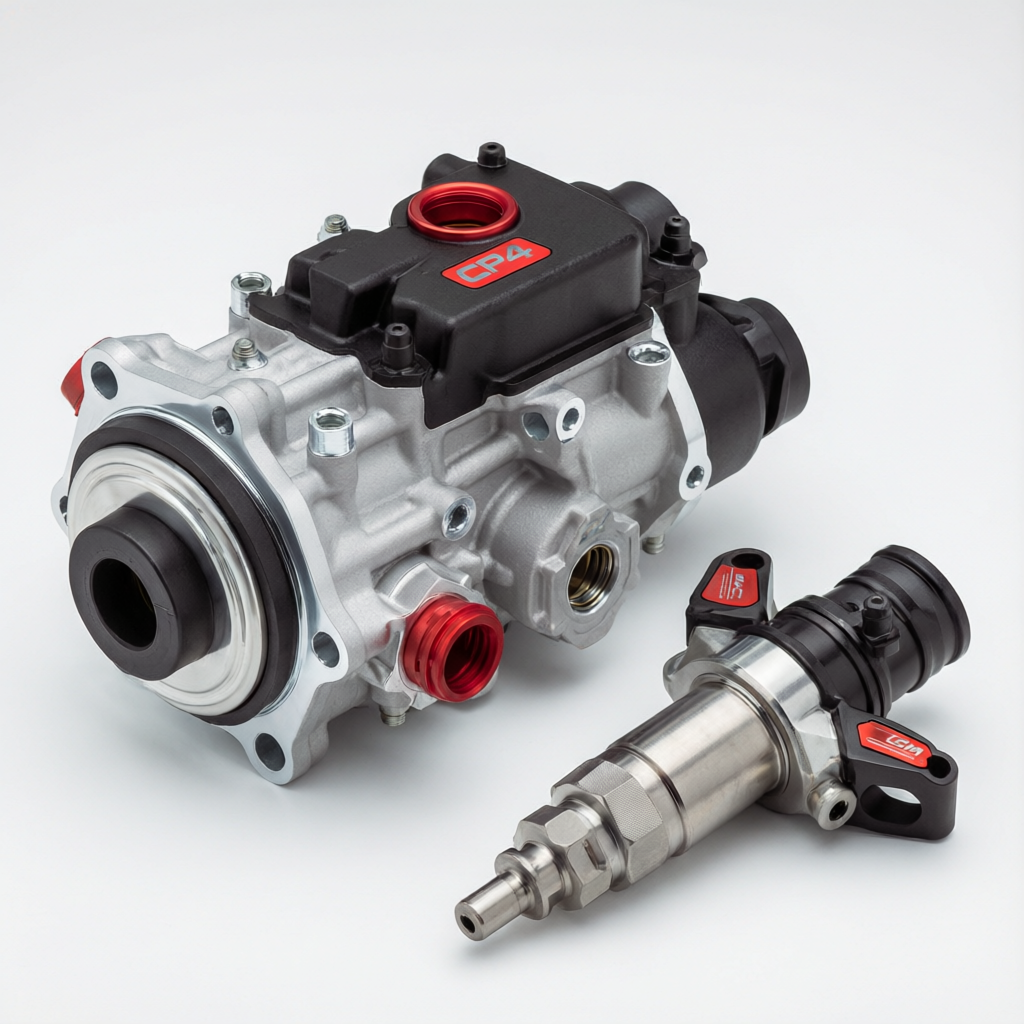
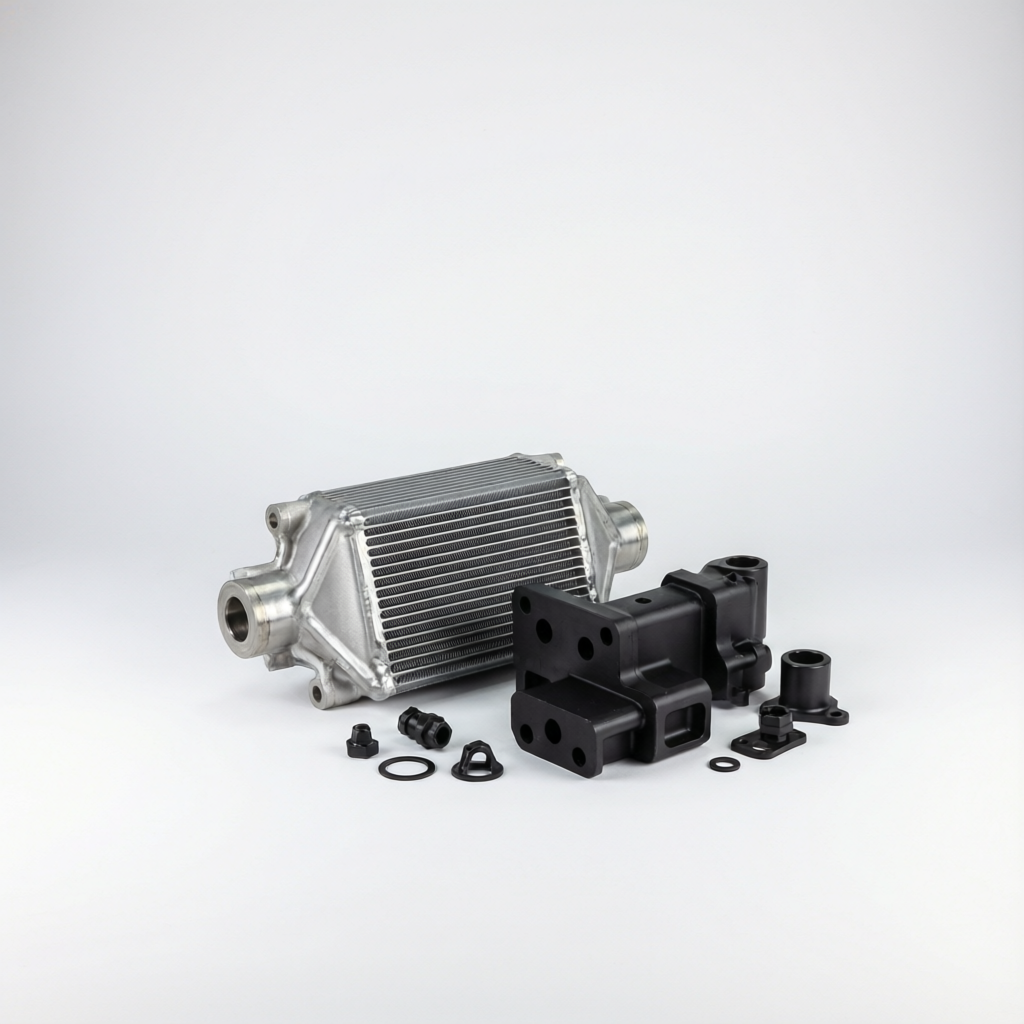
EGR Valve Cooler Delete Kit – 2017–2023 6.6L Chevy/GMC Duramax L5P Diesel
One-line summary: Kills the EGR headaches without going full nuclear. Perfect for owners who want reliability first.

How it actually performs:
-
made of - Aluminum billet, stainless steel, and high-temp silicone – no cheap plastic or rubber that'll cook and crack
-
Better airflow, faster spool – Yanking the EGR system improves exhaust flow and gets that turbo lit quicker, which means sharper throttle response and stronger overall engine performance
-
Keeps engine temps in check – This delete kit still cycles coolant properly to control engine temperature. You don't lose cooling capacity just because the EGR is gone
-
Built to last – Quality materials mean you're not doing this job twice. The silicone hoses handle serious heat without breaking down
-
Smoother operation, fewer surprises – Removing the EGR system lets the engine run cleaner and takes a bunch of potential failure points off the table
Who should buy this: Owners who want to eliminate EGR-related failures but aren't ready to strip out the whole emissions system. It's the sensible, reliable choice.
Full Delete Kit DPF/CCV/EGR | 2017-2023 GM Duramax L5P 6.6L
One-line summary: Go big or go home. This complete kit rips out everything – EGR, DPF, and CCV – for maximum performance.

How it actually performs:
-
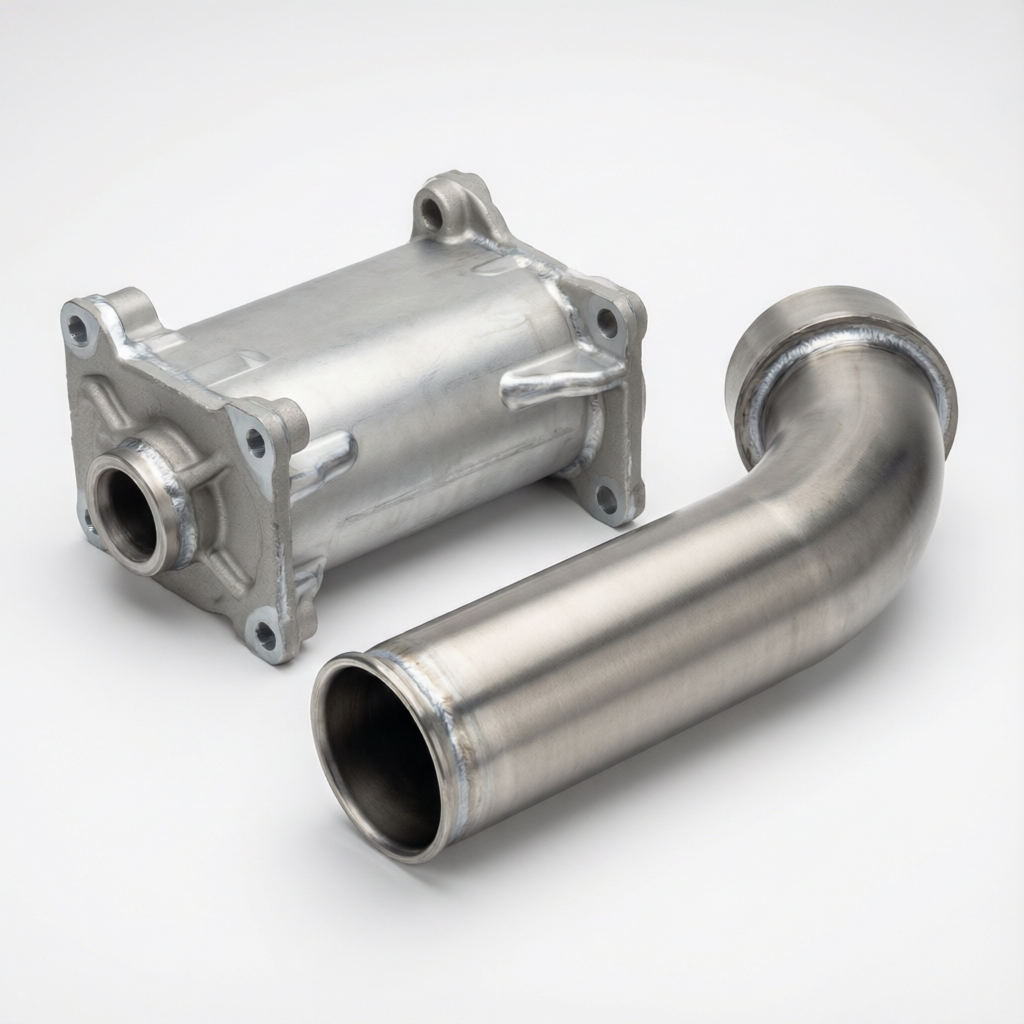
made of -T-409 stainless steel exhaust piping – tough, corrosion-resistant, and built for the long haul
-
Serious flow gains – 4" or 5" DPF delete pipe with a 4-bolt flange. Flows up to 20% better than competing kits
-
Smarter oil separation – The CCV module has two built-in differential pressure devices that pull oil out of the CCV feed line way more effectively
-
Full emissions strip-down – This setup lets you remove both the catalytic converter and DPF filter from the exhaust system. Off-road use only, obviously
-
Less backpressure, more power – Deleting the DPF reduces exhaust backpressure and improves flow. That translates directly to better engine performance
Who should buy this: Guys who are all-in on performance. If you're chasing every last horsepower, tow heavy regularly, or just want the cleanest possible exhaust flow, this is your kit.
Installation: Don't Lie to Yourself
Pay a Shop
-
Time: 4–6 hours
-
Cost: $500–$800 in labor
-
Why it's worth it: If something leaks, rattles, or throws a code, it's their problem to fix
DIY It
-
Skill check: You should have worked on intercoolers, turbos, or exhaust systems before. Oil changes don't count.
-
Real risks: Wrong torque specs = exhaust leaks. Leaks = bad combustion = potential piston ring damage.
-
Must-have tools: Torque wrench, proper lift or tall ramps, full socket set.
Tuning: This Isn't Optional – It's Mandatory
Once the EGR is gone, the ECU will absolutely throw a code. If you don't tune it:
-
Check engine light stays on 24/7
-
The ECU pulls power
-
Fuel economy gets worse, not better
What you actually need:
-
A professional diesel tuner to disable EGR-related diagnostics
-
Also disable DPF monitoring if you deleted that too
-
If you delete EGR but keep DPF, the tune needs to be specifically written for that setup
What to avoid at all costs: Those little plug-in "code eliminators." They fool sensors without fixing anything. They always cause problems down the road.
Warranty and Legal Stuff Nobody Likes to Talk About
How Dealers Spot an EGR Delete
-
They pop the hood and see block-off plates immediately
-
They scan the ECU – it logs that the EGR system never "operates" anymore
-
During inspection, OBD reads "system not ready"
What Happens When You Get Caught
-
Powertrain warranty is voided, not "maybe voided"
-
Federal level: Clean Air Act violation. Shops and owners can both be fined.
-
When you sell the truck, the OBD history is there for any buyer to see. Resale value tanks.
The only semi-safe approach: Keep every stock part. Run the delete kit only on closed courses. Before you sell the truck, reinstall the factory EGR system and flash back to the stock tune.
Conclusion
Not everyone needs an EGR delete. If you don't tow heavy, don't track the truck, and have to pass annual inspections, fixing the factory EGR system is probably the smarter play. The kit itself isn't the big expense – install and tuning are. Budget at least $1,000–$1,500 for a reputable shop to do it right. Think about your exit strategy before you start. Once you delete, going back takes time and money.
If you're sure this is the route for you, www.IFJF.com has solid kit options and support that come well-recommended in the diesel community. Check their L5P section before you decide.
FAQs About L5P EGR Delete Kits
Q1: Can I flash back to the stock tune later?
A1: Yes. But you also have to reinstall the factory EGR hardware. If you flash back to stock with the delete kit still on the truck, the ECU will immediately throw codes.
Q2: Will my truck pass inspection with an EGR delete?
A2: In any US state with emissions testing, no. Unless you live somewhere that doesn't test diesel emissions at all (very few places), you will fail.
Q3: Does an EGR delete actually make the engine last longer?
A3: It can – if the tune is done right and there are no exhaust leaks. With those two conditions met, you get less carbon buildup and no coolant contamination. But a bad tune? That'll pop a piston faster than stock ever would.
Q4: Can I delete just the EGR and keep the DPF?
A4: Technically yes, but DPF regeneration relies on the EGR to help control combustion temps. Deleting only the EGR usually makes the DPF clog faster.