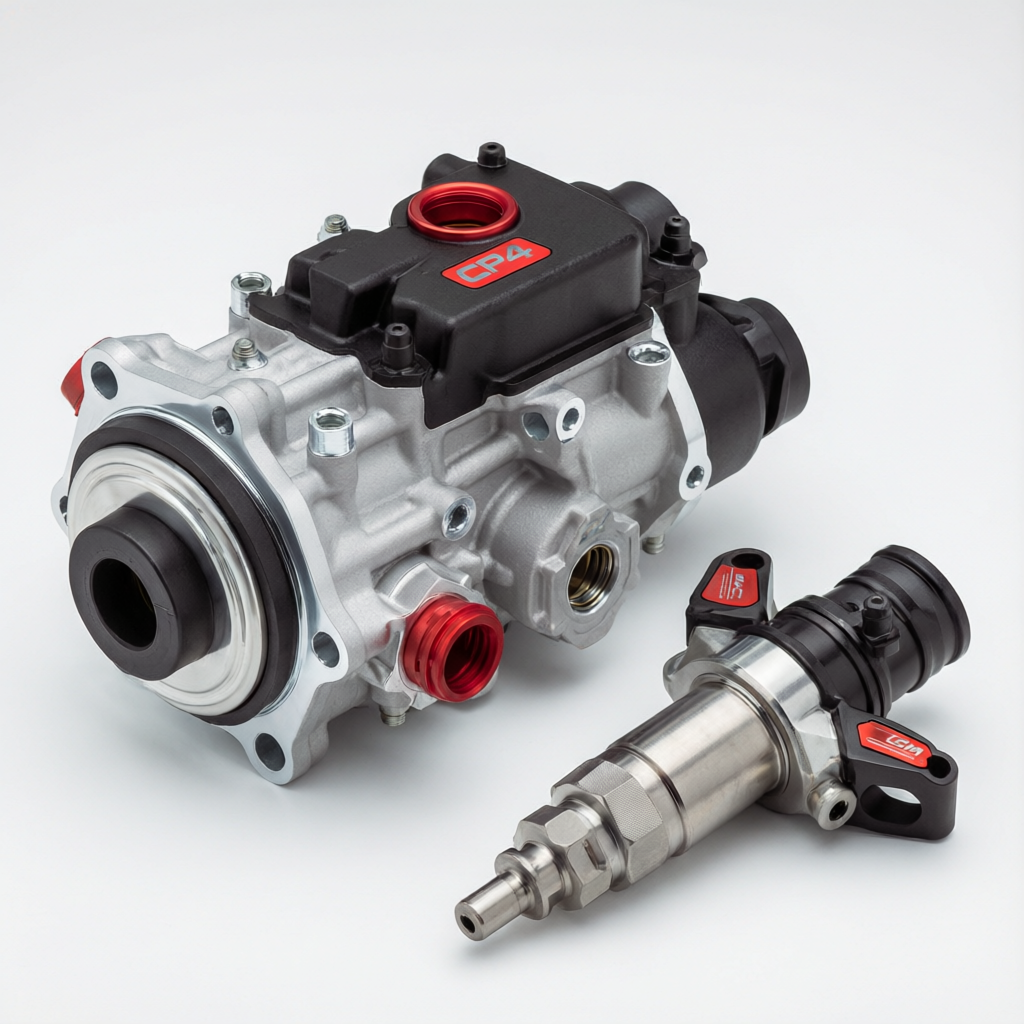
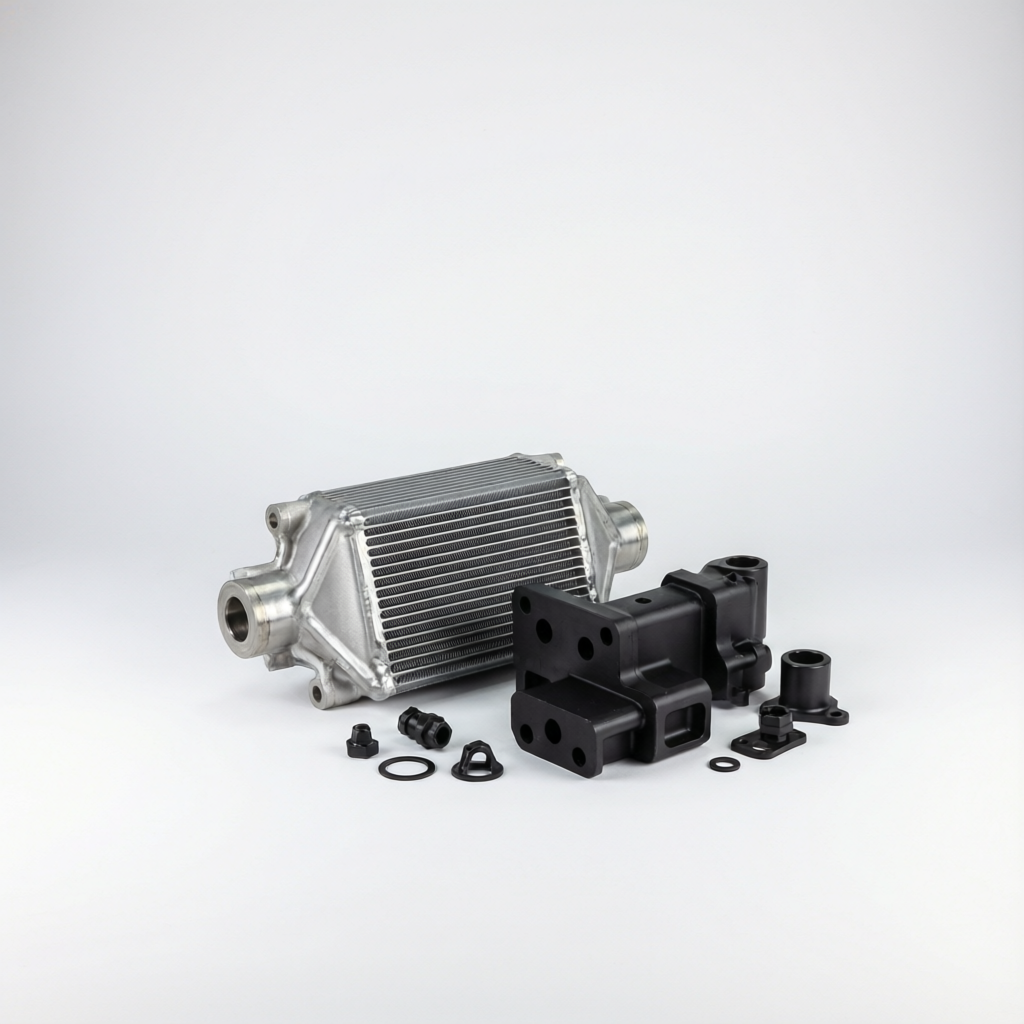

The Ford 6.7L Powerstroke diesel engine has established a performance benchmark in the heavy-duty pickup segment with its robust torque delivery, enduring mechanical integrity, and exceptional towing capability. However, the exhaust after-treatment systems integrated to meet modern emissions regulations, while achieving environmental goals, objectively constrain the engine's inherent potential. These systems not only increase mechanical complexity but can also impact throttle response, fuel efficiency, and long-term ownership costs.
This article will examine how the 6.7L Power Stroke can be modified to eliminate factory-imposed constraints, thereby enabling the development of a more reliable and efficient powertrain. Our focus extends beyond immediate performance gains to encompass the long-term stability, durability, and operational integrity of the enhanced engine system.
Considerations Regarding DPF Delete
Primary Reasons for DPF Delete
-
Reduced Maintenance Burden: The DPF requires periodic regeneration and cleaning to prevent clogging. Its removal eliminates this maintenance routine, reducing concerns over related failures and potential high replacement costs.
-
Enhanced Engine Performance: The DPF creates exhaust backpressure. Removal typically results in freer exhaust flow, improved throttle response, and potential power gains, especially under heavy load conditions.
-
Improved Fuel Economy: Eliminating the DPF's active regeneration cycles avoids the associated extra fuel consumption, potentially increasing overall fuel efficiency.
-
Increased System Reliability: Removing the DPF along with its associated sensors and piping simplifies the exhaust system. This theoretically reduces potential issues stemming from DPF clogging, sensor failures, and related components.
Factors Influencing Modification Time
-
Technician Proficiency: A professional well-versed in the 6.7L Powerstroke's architecture will work significantly faster than a novice. An experienced technician can often complete the core work in a matter of hours.
-
Vehicle Model Year and Condition: Variations in sensor placement and wiring design may exist between different model years. Any prior modifications to the vehicle can also add complexity to the installation process.
Engine Longevity and Maintenance Post-Modification
Many owners report that properly modified and well-maintained vehicles can exceed 200,000 to 300,000 miles. The long-term reliability of the engine depends primarily on the following factors:
Consistent Maintenance
This remains the foundation for the long-term health of any engine. Post-modification, it is crucial to scheduled intervals for oil, oil filter, fuel filter, and coolant changes and inspections.
- Oil Changes: It is recommended to change oil and the filter every 5,000 to 7,500 miles
- Fuel Filter: Maintain a replacement interval of approximately every 15,000 miles to ensure fuel cleanliness
- Cooling System: Regularly check coolant level, freeze protection rating, and condition to ensure the cooling system operates efficiently
Component Quality
Using well-designed, precision-manufactured modification kits and replacement parts is critical—inferior components can introduce reliability risks and potentially damage the engine.
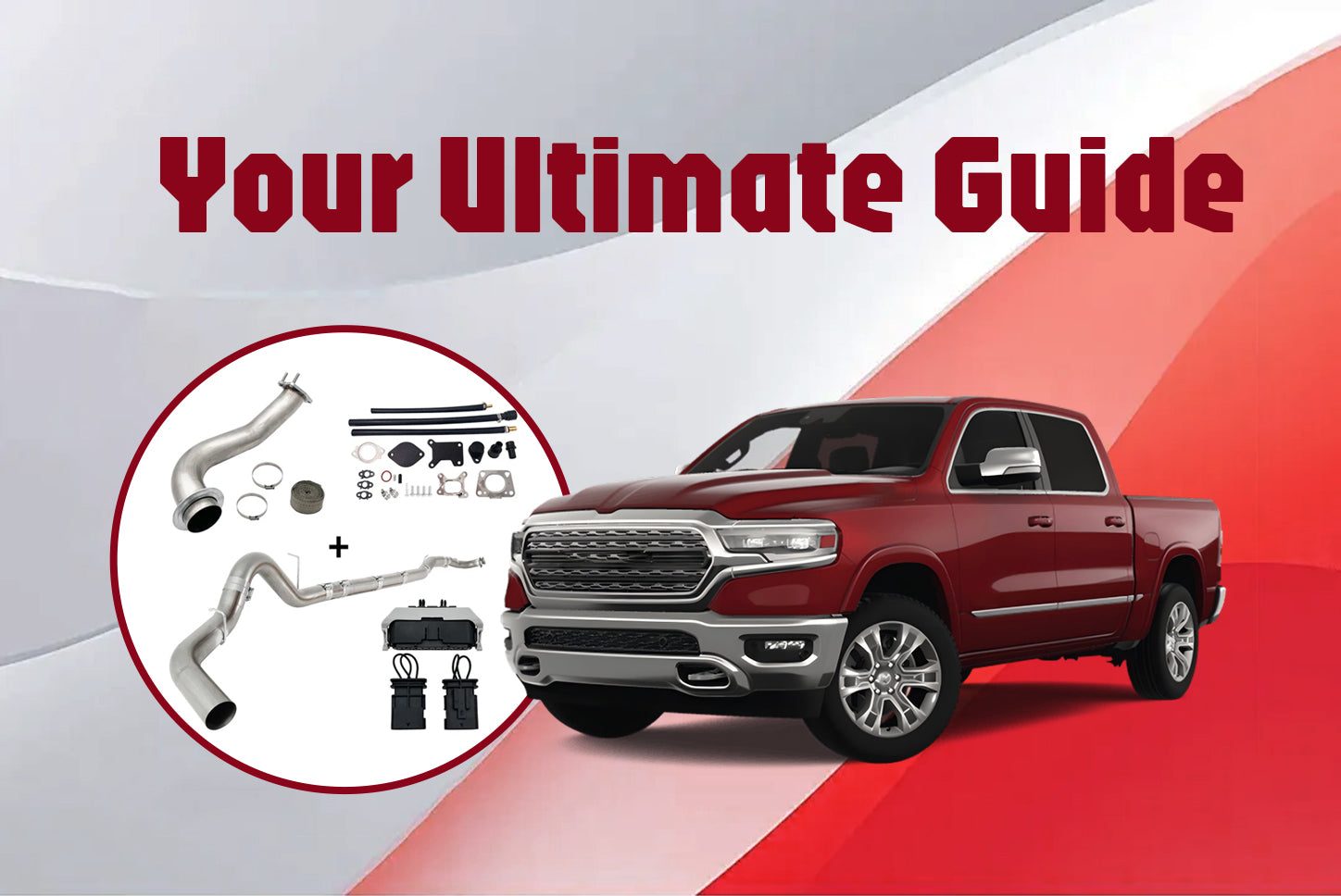
1. 4" DPF Delete Pipe/EGR Delete Kit | 2011-2023 Ford Powerstroke 6.7L
For hardware upgrades, the Ford Powerstroke 6.7L DPF & EGR Delete Kit offers a comprehensive performance solution. Engineered as an integrated system, it delivers optimal results while maintaining the quality and reliability essential for lasting modifications.

Key Design Features:
- High-Flow Construction: Crafted from durable 409 stainless steel with 4" inch diameter, this system to maximize exhaust flow.
- Engineered Simplicity: Features a straightforward bolt-on design for easy and quick installation, ensuring precise fitment and secure connections.
- Proactive Maintenance Solution: By eliminating exhaust restriction and removing the EGR pathway, the system prevents soot accumulation and clogged EGR components.
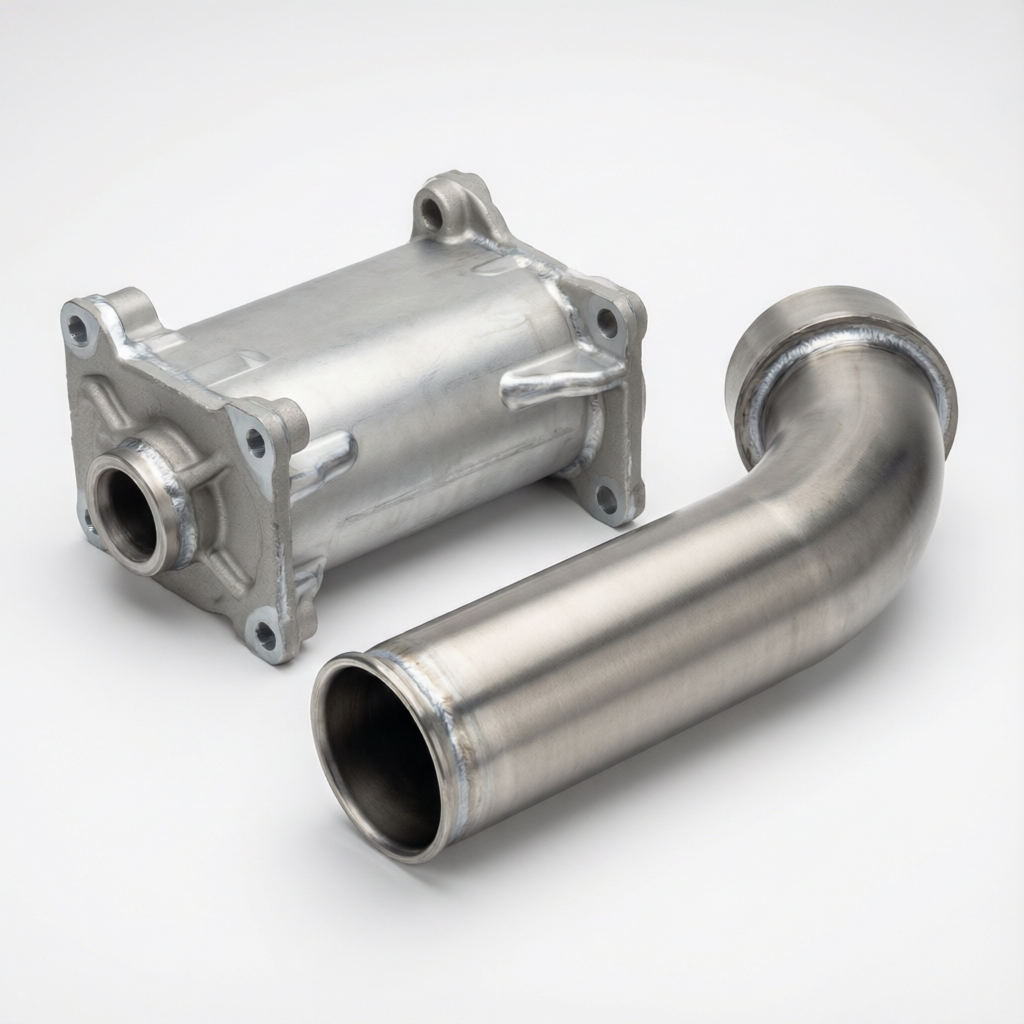
- Complete EGR Replacement: This kit fully replaces both the EGR valve and cooler assembly with a streamlined piping solution.
2. 5" DPF Delete Pipe | EGR Delete Kit | 2011-2019 Ford Powerstroke 6.7L
The DPF & EGR Delete + CCV Kit provides a complete performance solution, engineered specifically for competition applications with plug-and-play installation.

Key Design Features:
- Competition-Grade Full System: Constructed from T-409 stainless steel with 5" diameter piping , designed for maximum flow by eliminating all restrictive sections
- OEM-Style Installation: Retains factory mounting points and includes all necessary hardware for straightforward, no-modification installation
- Precision Manufacturing: Each pipe section is leak-tested and features O-ring seals to ensure leak-free connections throughout the system
- Integrated EGR Solution: Optimized exhaust flow path effectively prevents soot accumulation and EGR valve clogging issues
Driving Habits and Use Case
Frequent heavy towing, extreme off-road use, or sustained high-RPM operation places greater stress on the engine, necessitating correspondingly intensified maintenance.
Professional Recommendations for 6.7L Ford DPF Delete
Basic Installation Procedure
- Locate the DPF assembly within the exhaust system beneath the vehicle.
- Carefully disconnect all sensor wiring harnesses connected to the DPF.
- Remove the mounting bolts and detach the DPF along with any connected catalytic converter
- Install the replacement exhaust pipe section or modified exhaust system.
- Reconnect all sensor wiring and clear any diagnostic trouble codes.
Post-Modification Maintenance
- Shorten maintenance intervals: It is recommended to change engine oil and related filters more frequently than the factory specifications.
- Conduct regular system inspections: Check exhaust system connections and sealing conditions every quarter.
- Monitor performance parameters: Pay close attention to engine operating data and performance changes.
Risk Management Considerations
- Warranty implications: Modifications may void the original factory warranty.
- Emissions compliance: Periodic emissions testing may be required in certain regions.
Conclusion
Ready to unleash your Ford Powerstroke's true potential? At www.ifjf.com, we offer precision-engineered DPF and EGR delete solutions to boost performance, reliability, and durability. Our rigorously tested kits come with expert tuning support—helping you build a stronger, smarter truck with no compromises. Elevate your drive today.
Start the new year with high efficiency!
To welcome the New Year, we offer you excellent assistance for your actions. During the period from December 29, 2025 to January 4, 2026, by using the discount code ifjf2026 to purchase the entire set of the 6.7L Ford delete pipe Kit, you can enjoy a 15% exclusive discount. This is the best opportunity for you to make the optimal investment. The offer is fleeting, so don't miss it!
FAQs About 6.7 FORD Delete Pipe
Q1: How long does it usually take to install the DPF Delete?
A1: Installing a DPF delete typically takes a professional 4 to 8 hours, but can be quicker (under 2 hours for an expert) or much longer for DIYers, depending on experience, vehicle model.
Q2: If I change my mind, can I undo the deletion operation?
A2: Under the condition of correct installation, the deleted program can be restored. However, if you need to reinstall the original emission control components, this will require a large number of parts and labor costs. Therefore, it is best to carefully consider the costs before deleting the program.
Q3: What should I do if the fault light comes on after deleting the pipe?
A3: You need to identify the cause of the malfunction: If the sensor is not properly shielded, it needs to be reprogrammed. If there is exhaust leakage, all connection points should be checked. If the turbine pressure is abnormal, the exhaust valve should be inspected.
Q4: Will modifying my Ford void my original factory warranty?
A4: Yes, any unauthorized modifications will render the power system warranty invalid. However, you can purchase a special insurance for modified vehicles and report all the modifications.
Q5: How should one choose between the 4-inch and 5-inch systems?
A5: The 4-inch system is suitable for daily use, offering significant performance improvements while maintaining good low-torque capabilities. 5-inch system: Optimized for high-speed ranges, suitable for frequent towing or track use