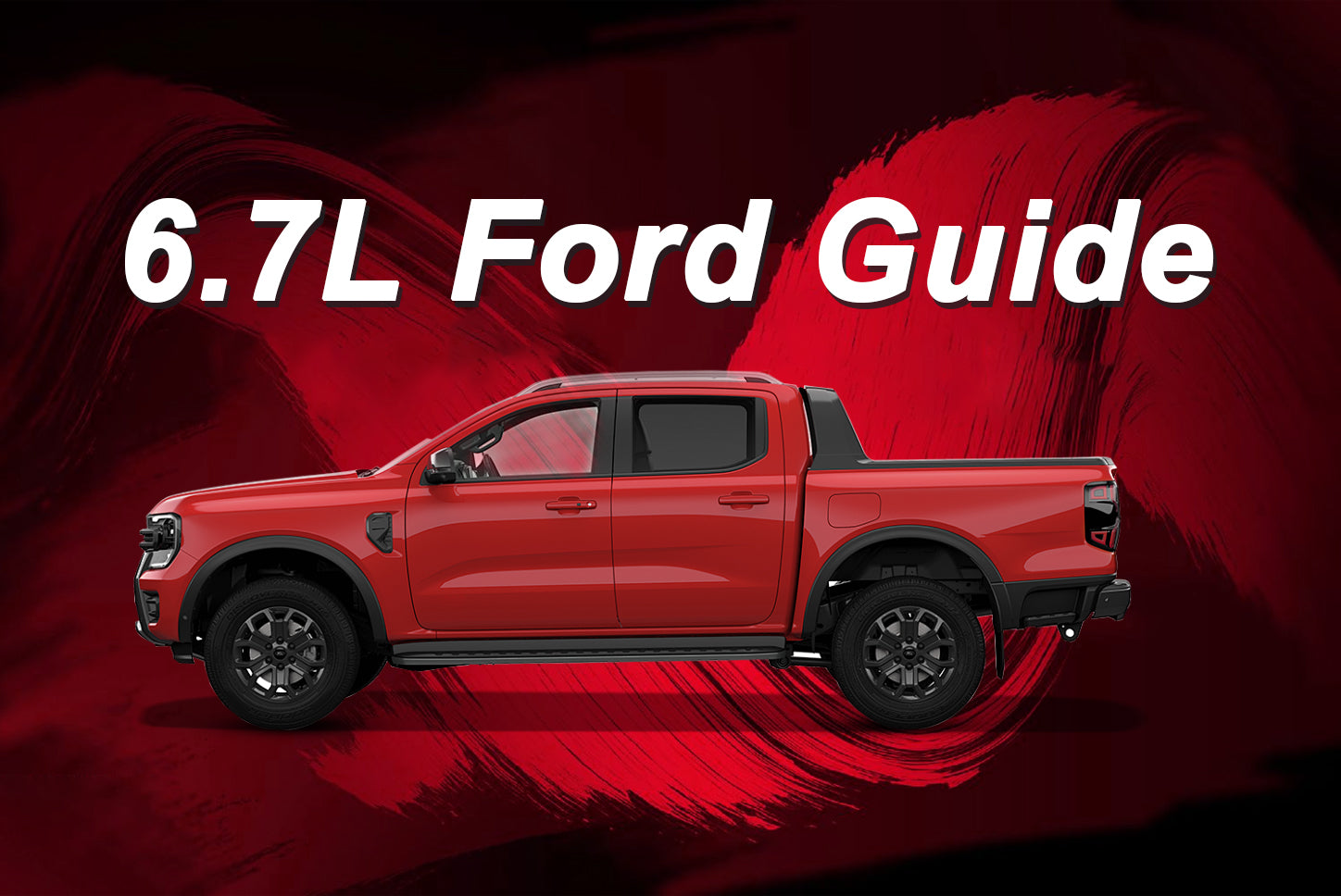

Picture your truck finally removing that "industrial mask" — deleting the DPF isn't just about removing a part; it's about igniting a performance awakening involving power, sound, and efficiency. Whether you choose the balanced upgrade of a 4-inch system or the extreme release of a 5-inch, your needs are the only standard that matters. Our mission is to provide the most fitting solution for every "performance personality." Buckle up and join us on this hardcore yet exciting journey of mechanical liberation. Your truck is about to show its truest smile.
The Lowdown on DPF Delete
Your truck has more to give than what came from the factory, and the Diesel Particulate Filter (DPF) is often the main thing holding it back. Deleting it isn't just removing a part—it's opening the door to a new level of performance and efficiency for your rig.
A Leap Forward in Power & Efficiency
Unleash Power
Removing it drastically cuts down exhaust backpressure, letting your engine breathe freely. You’ll feel the difference immediately with snappier throttle response .
Real Gains in HP & Torque
Depending on your setup and tune, you can typically expect an extra 30-50 horsepower and a solid 50-100 lb-ft of torque, making towing and passing effortless.
Boost MPGs
The DPF's active regeneration cycle deliberately burns extra fuel. By deleting it, you eliminate that waste, often improving overall fuel economy by 10-15%. Now you can have more power and better mileage.
Promote Longevity
A major clogging hazard off the table and prevents issues like oil dilution from failed regens. This allows your engine to run cleaner and under less stress, which is a win for long-term health and durability.
Considerations before deletion
- It will cause your truck to fail emissions testing, can result in hefty fines
- Will void the manufacturer's factory warranty immediately
- Significantly hurt your truck's resale value
Choosing Your Performance Soundtrack: 4" vs. 5" Exhaust
Once you've decided to delete the DPF, choosing the right replacement exhaust pipe is your next critical step. It defines both your power and your truck's voice.
The Sound Profile:
-
4" Exhaust: It's noticeably throatier than stock but remains relatively tame—a perfect choice for a daily driver that still wants an attitude.
-
5" Exhaust:The tone is deeper, louder, and proudly announces the turbo whistle and engine roar. It commands attention.
Both sizes can be fine-tuned with high-quality mufflers to eliminate drone and tailor the sound to your liking.
The Performance Difference:
-
4" Exhaust: It shines for applications under 500 HP, often providing stronger low-end torque that makes daily driving feel more responsive.
-
5" Exhaust: When you're pushing past 500 HP or dealing with constant heavy towing, its massive flow supports your engine's full potential.
Making Your Choice
It's all about balance. The 4" exhaust is the perfect, cost-effective starting point for most owners looking for a serious upgrade without going overboard.
If your ambitions are bigger—like consistently towing heavy loads up mountain grades or chasing every last bit of horsepower—the unrestricted flow and superior cooling of a 5" exhaust is the essential foundation for your build.
Decide Based on These Three Things:
Truck's Role:
- A heavy-duty, large-displacement diesel is a natural partner for a 5" system
- For a mid-size or a truck staying near stock power levels, a 4" system delivers fantastic results
Your Build Plan:
If you are undertaking or have already completed significant modifications, such as custom tuning, turbocharging, or injector upgrades, then opting for a 5-inch exhaust pipe can unlock even greater performance.
Primary Mission:
- For daily commuting and occasional hauling, the 4" pipe has you covered
- To work hard and pull heavy, the 5" system is the professional-grade tool you need
For Your Path to Upgrades, Providing the Perfect Performance
As discussed above, for vehicles pursuing extreme output, tackling heavy-duty conditions, or having undergone deep modifications, a 5-inch exhaust system is the ultimate choice for achieving "unrestricted breathing" and exceptional heat dissipation.
Now, it’s time to introduce our solution born for this purpose — the 5-inch high-performance exhaust kit. This complete engineering system features every component synergistically designed to deliver a seamless performance liberation experience.
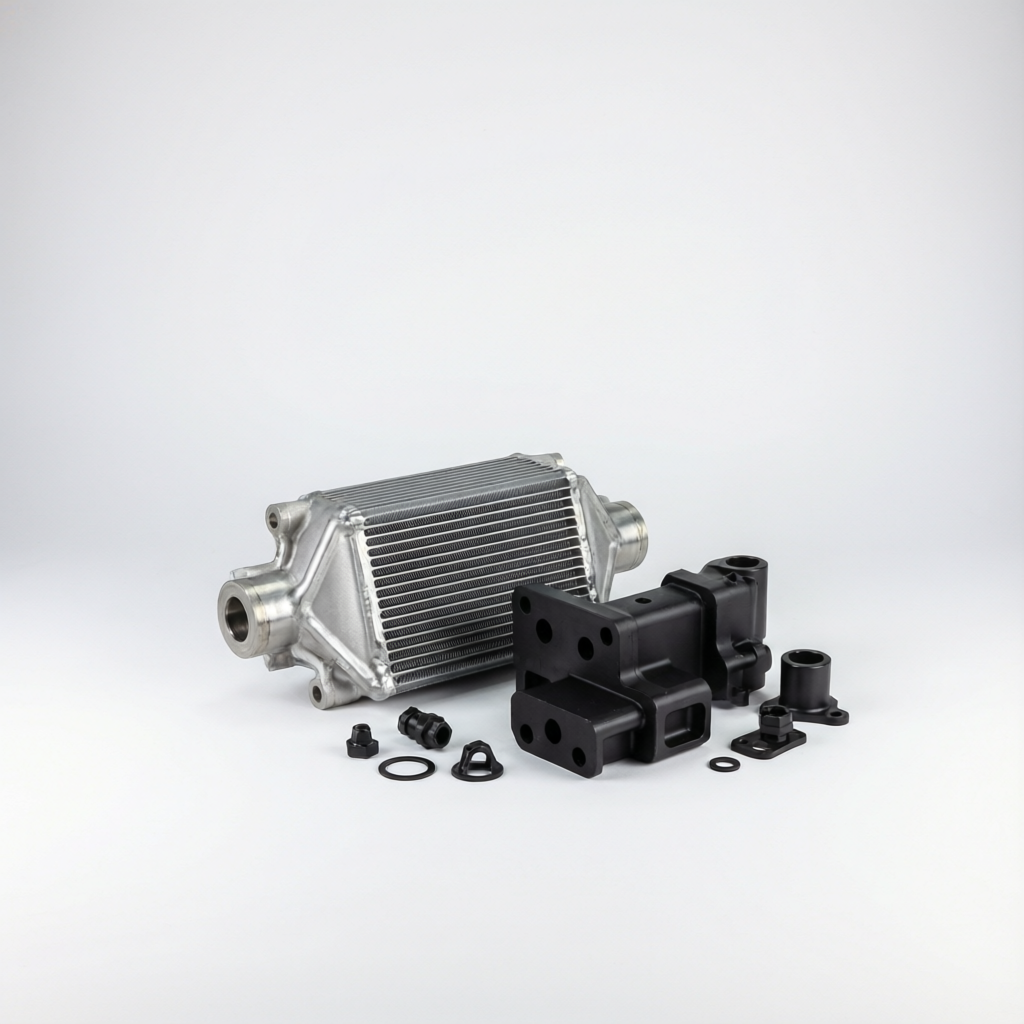
3.5" Downpipe | 5″ DPF pipe | EGR Delete | 2020-2023 GM/Chevy Duramax L5P 6.6L

Core 5-Inch Exhaust Module
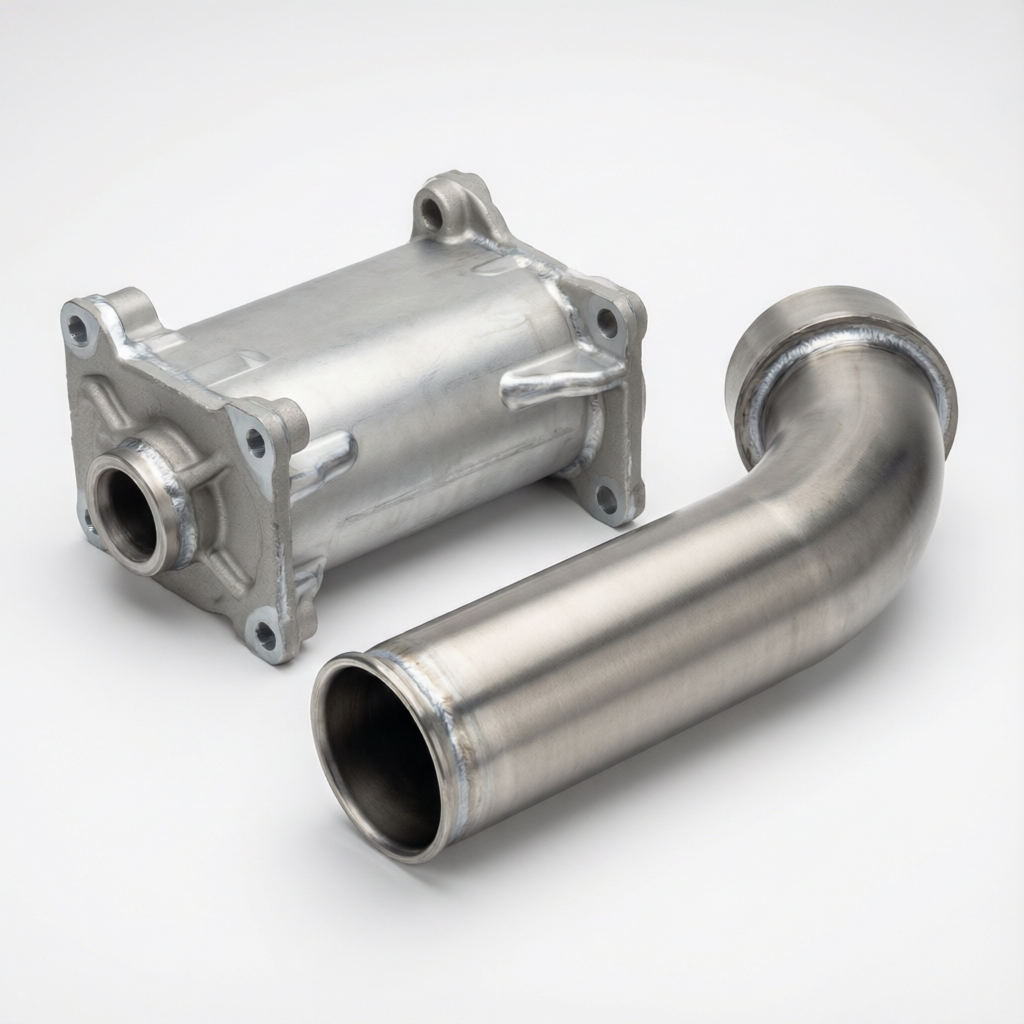
- 5-inch downpipe-back system features heavy-duty 4-bolt flange connections, ensuring leak-free seal
- Constructed from T-409 stainless steel, it strikes the optimal balance between corrosion resistance and cost-effectiveness
- Designed and optimized for the complete removal of catalytic converter and DPF
Intelligent CCV Management System
- An integrated CCV module with a dual differential-pressure design
- Preventing oil contamination from entering the intake system
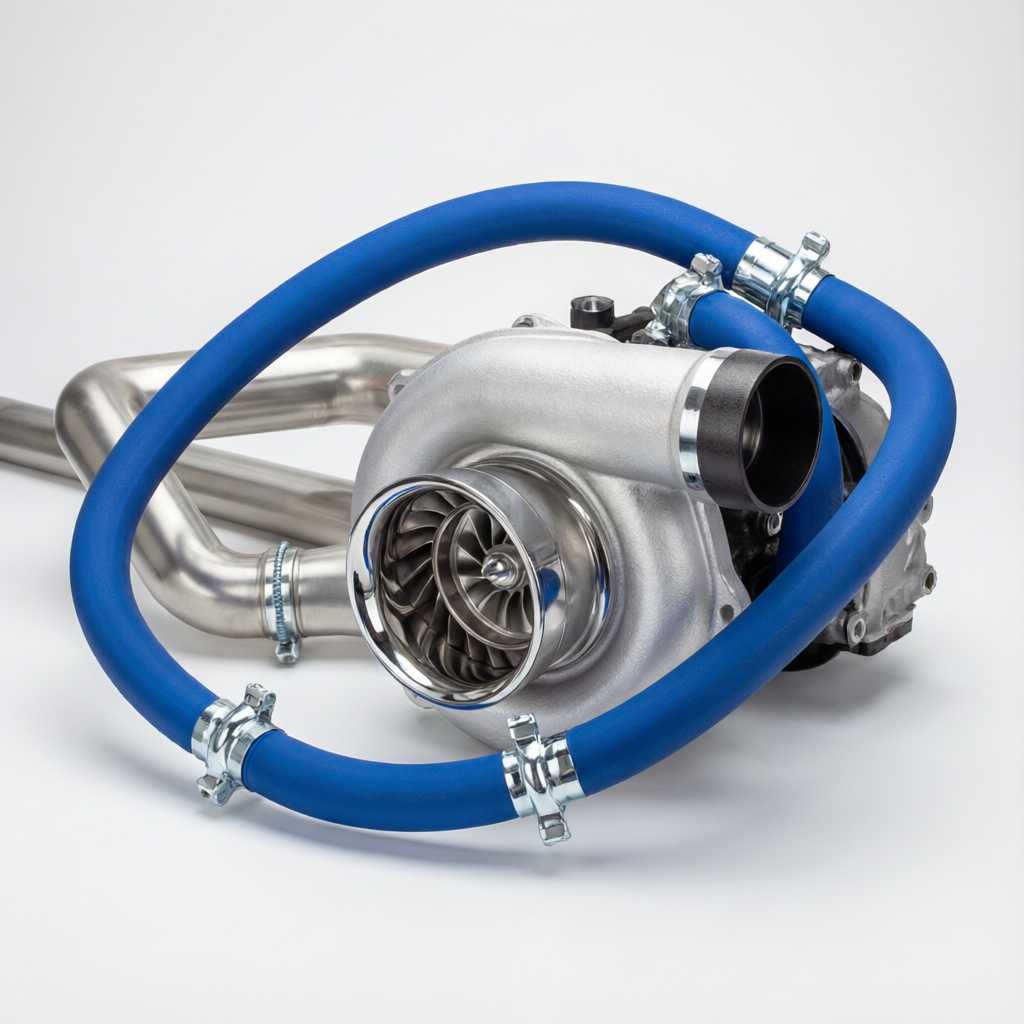
- Not only protects the turbocharger but also extends the intervals between internal engine cleanings
Electronic Integration Assurance
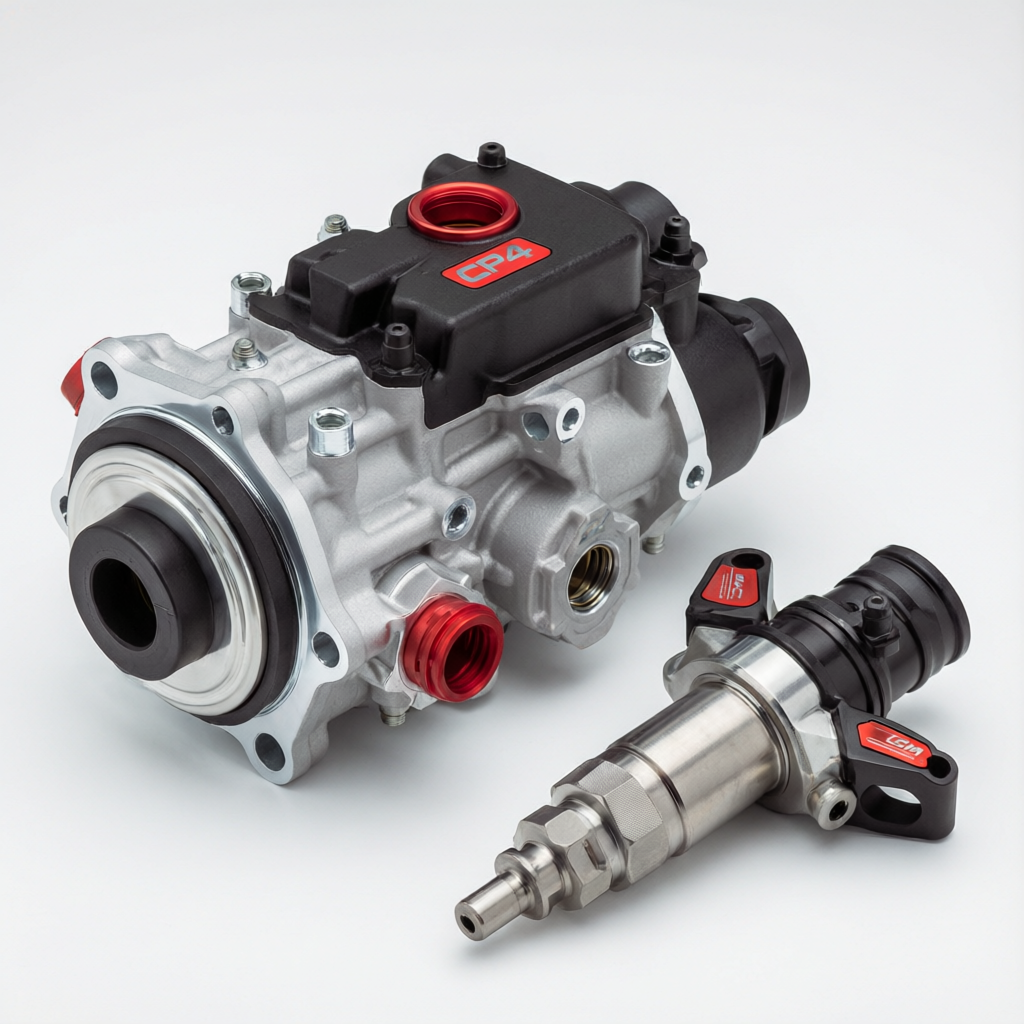
- Maintains normal communication between the ECU and the fuel system
- Ensures full functionality of fuel tank data and fuel pump operations
- Prevents dashboard warning lights from illuminating, preserving the integrity of the driving experience
Seamless compatibility guarantee
- The physical connection is perfectly matched, and no additional adapters are required
- Conflict-free installation of electronic systems
- All functions work together seamlessly, without any interference with each other
How to Install a 5” DPF Delete Kit
Safety & Preparation
- Disconnect the truck battery before starting any work
- Ensure the exhaust system has fully cooled down prior to installation
Removal Process
Step 1:
Disconnect all exhaust sensor wiring harnesses. Unbolt and separate the flanges securing the downpipe and DPF assembly.
Step 2:
Remove all factory plugs and vent lines from the DPF. Apply lubricant to the exhaust hangers before gently prying them out of the rubber mounts. Carefully lower the DPF assembly out of the vehicle.
Step 3:
-
Remove the 4-bolt flange connecting the factory downpipe to the turbo outlet pipe using a 15mm socket
- For easier removal, detach the transmission hanger and trim the exhaust inlet if necessary
Installation of New System
Step 4:
Install the new downpipe (Section 1). Align its 4-bolt flange with the 3-bolt flange on the turbo outlet and loosely secure with bolts.
Step 5:
Connect Section 2 of the exhaust pipe to the downpipe, aligning the beveled end. Loosely fasten using the supplied clamp and assemble the corresponding hanger into the factory rubber mount.
Step 6:
Select the appropriate extension pipe length based on your vehicle’s wheelbase. Install it between the muffler inlet pipe (Section 4) and the tailpipe (Section 7).
Step 7:
Starting from the downpipe, progressively tighten all V-band clamps along the exhaust system. Check for proper clearance and alignment as you tighten each connection.
Final Inspection
- Double-check all clamps, flanges, and sensor connections for security
- Reconnect the vehicle battery, Start the engine and let it idle. Listen for exhaust leaks and check for warning lights on the dashboard
Conclusion
Torn between the balanced performance of a 4-inch system and the ultimate release of a 5-inch? We hope this guide has helped you make the choice that truly matches your ambitions. Our 5-inch professional exhaust kit ensures that every exhaust pulse is transformed into forward momentum—whether you're climbing steep grades under heavy loads or pushing the limits on open roads. This isn't just a part upgrade—it's a statement of performance philosophy. Visit www.ifjf.com now and equip your beast with the breathing system it truly deserves!
FAQs About L5P 5" Exhaust
Q1: Will blocking the EGR affect the DPF?
A1: Blocking the EGR valve can prevent exhaust gases from recirculating into the engine, improving performance and reducing carbon buildup. While it doesn’t directly affect the DPF, changes in exhaust composition and flow may indirectly affect how quickly the DPF clogs over time.
Q2: How much horsepower can be gained by deleting the L5P DPF?
A2: Removing the DPF reduces exhaust restriction and backpressure, typically increasing horsepower by 20–40 hp, depending on your engine and other modifications.
Q3: What are the risks of deleting both the L5P EGR and DPF?
A3: The main risks include legal issues, as removing these systems violates emissions laws in most areas. Improper removal can also cause higher exhaust temperatures, accelerated engine wear, and long-term damage.
Q4: How does deleting the DPF affect fuel efficiency in a Duramax L5P?
A4: Deleting the DPF in a Duramax L5P lowers exhaust backpressure, allowing the engine to run more efficiently, which generally improves fuel economy.
Q5: What are the long-term maintenance benefits of deleting the EGR and DPF?
A5: Over the long term, removing the EGR and DPF reduces maintenance costs and decreases the likelihood of related component failures.