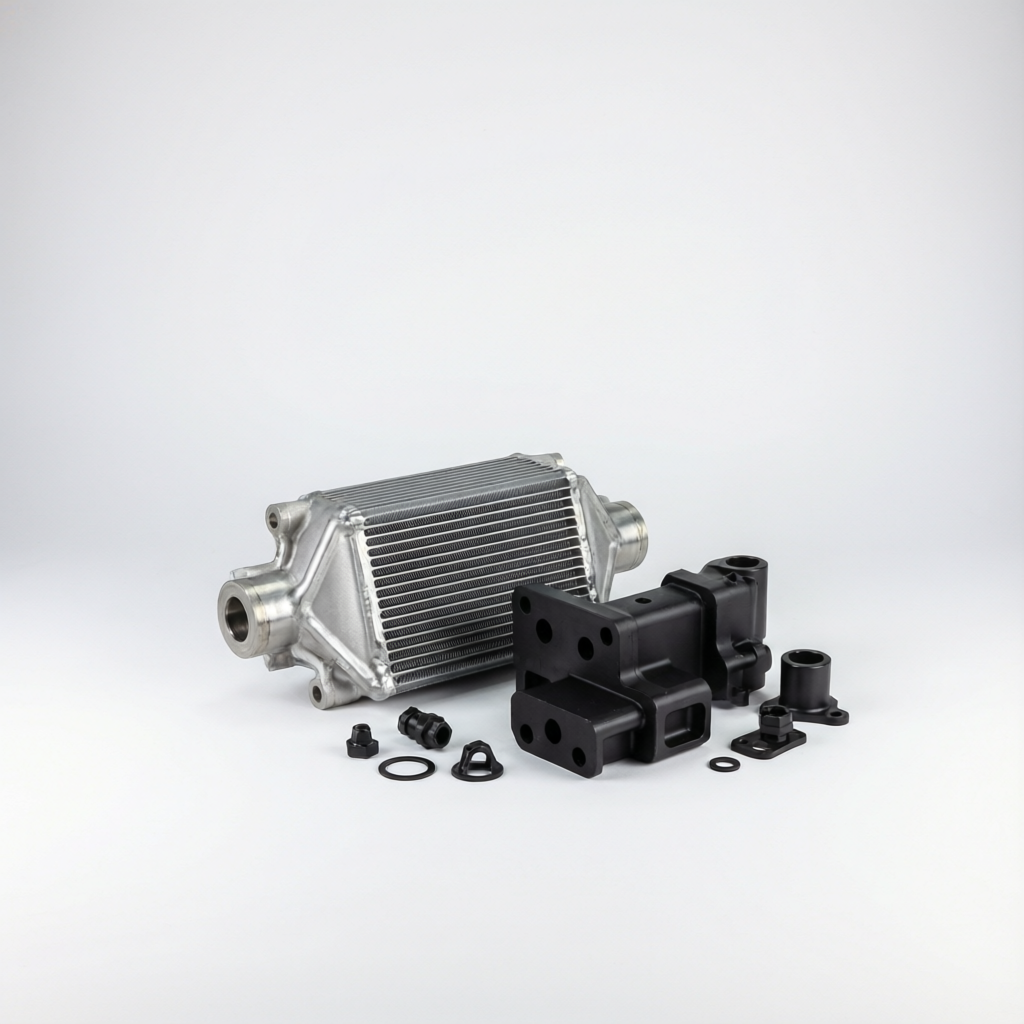

For diesel truck owners chasing maximum performance, the exhaust system is far more than just a passage for waste gases—it's a core component of the powertrain. As the critical link between the turbocharger and the rest of the exhaust system, the downpipe's design directly impacts throttle response, power output, fuel economy, and exhaust note. This article breaks down the technical role of the downpipe, the performance benefits of a DPF delete upgrade, and provides practical guidance for popular truck platforms.
The Downpipe's Role and Factory Limitations
Core Function
Located at the very beginning of the exhaust system, the downpipe is directly responsible for channeling high-temperature, high-pressure exhaust gases away from the turbocharger. Its primary job is to route these gases into the aftertreatment system with minimal resistance, allowing the turbo to maintain consistent boost pressure. Simply put, how efficiently the downpipe flows determines whether your turbo can "breathe" freely.
The Factory Compromise
To meet increasingly strict emissions regulations, modern diesel trucks are equipped with aftertreatment devices like Diesel Particulate Filters (DPF) and Selective Catalytic Reduction (SCR) systems. Factory downpipes are designed primarily for compatibility with these components, as well as for noise control and thermal management—all compliance-driven priorities that often come at the expense of flow efficiency.
This trade-off shows up in three specific engineering shortcomings:
-
Restrictive Diameter: The pipe is narrower than ideal for optimal flow, creating a bottleneck for exhaust gases.
-
Indirect Routing: To accommodate chassis layout and aftertreatment packaging, the downpipe often includes multiple bends, increasing flow resistance.
-
Backpressure Buildup: Exhaust gases pile up behind the turbo, slowing down spool time and reducing efficiency.
The Domino Effect of Restriction
The combined result of these design compromises is that exhaust gases struggle to exit quickly. This increases backpressure on the turbine wheel, delays boost building, and ultimately translates into turbo lag, sluggish throttle response, and elevated exhaust gas temperatures (EGT)—the very "gutless" feeling many owners experience when towing heavy loads or climbing grades.
The Performance Logic of DPF Delete Downpipes
The Core Idea: Eliminating the Exhaust Bottleneck
A DPF delete downpipe works by removing the factory-installed DPF unit from the exhaust stream and replacing it with a straight-through, large-diameter, high-flow pipe. This directly eliminates the most restrictive physical bottleneck in the exhaust path.
Three Key Performance Gains
Horsepower and Torque Increase
With backpressure reduced, the turbo can reach its target boost pressure more quickly, allowing more air into the engine. The ECU detects this increased airflow and adjusts fueling accordingly, resulting in measurable gains at the wheels.
Exhaust Note Transformation
Removing the DPF means exhaust no longer passes through the dense ceramic substrate of the filter. The exhaust pulses travel more directly to the tailpipe, preserving the high-frequency turbo whistle and low-frequency combustion rumble. The sound shifts from "muffled" to "open"—more aggressive and distinctive.
Fuel Economy and Thermal Load Improvements
Lower exhaust resistance reduces pumping losses during the exhaust stroke, improving overall engine thermal efficiency. Additionally, faster exhaust flow reduces heat retention in the engine bay and aftertreatment section, helping to lower EGTs. For drivers who frequently tow or operate at high altitudes, lower EGTs mean a greater safety margin and improved reliability.
Platform-Specific Upgrade
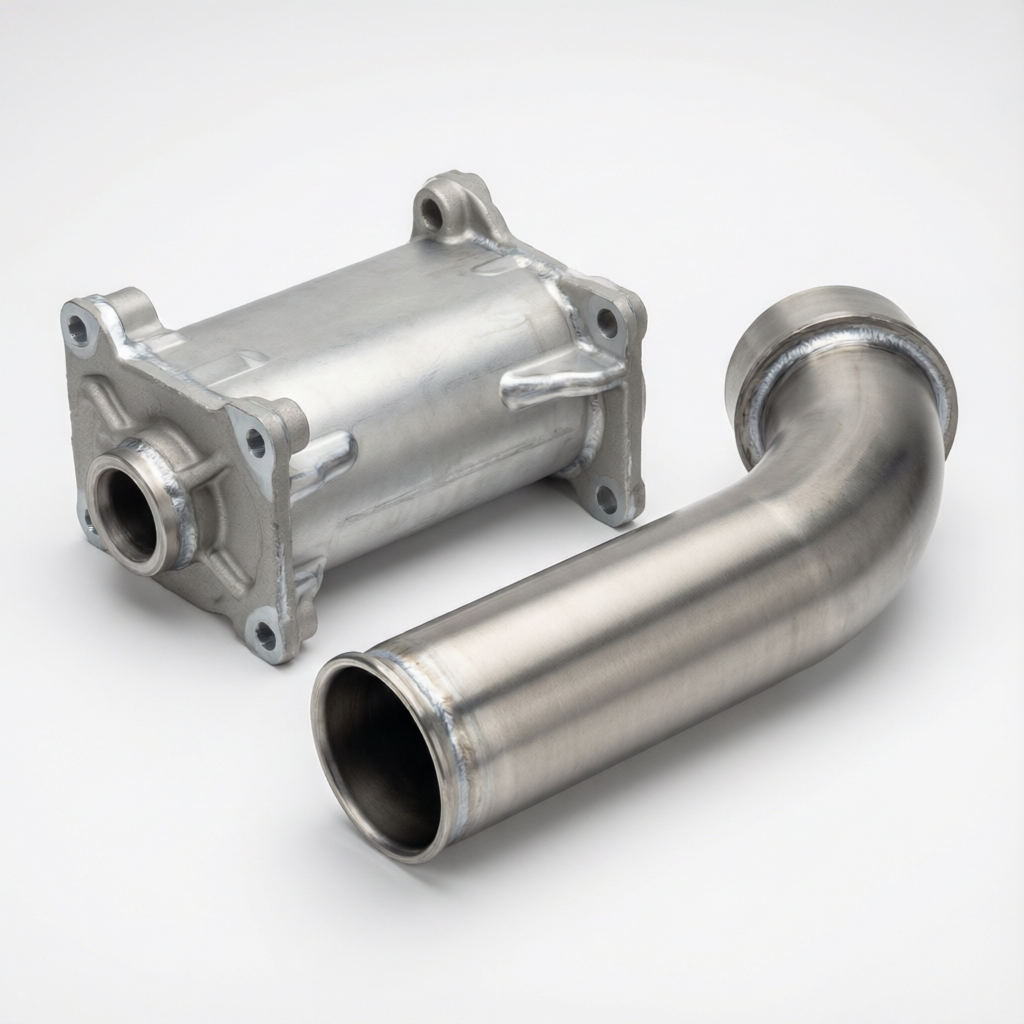
5" DPF Delete downpipe-back | 2007.5-2010 GM/Chevy Duramax LMM 6.6L
For Duramax owners chasing peak performance and an aggressive sound, this complete system represents the ultimate downpipe and exhaust upgrade.

- Material & Construction: T304 stainless steel with mandrel bends for smooth internal surfaces
- Design: One-piece replacement eliminates the factory DPF bottleneck
- Power Gains: 40–60 HP increase with supporting tune
- Sound Character: Clear turbo whistle; deep, authoritative exhaust tone
- Best For: Enthusiasts chasing maximum performance
3.5" Downpipe | 5" DPF pipe | EGR Delete | 2017-2019 GM/Chevy Duramax L5P 6.6L
This isn't just another exhaust component—it's a fully integrated, professionally engineered system designed to unleash the raw potential of your Duramax. At its core lies a high-performance 3.5-inch downpipe, engineered to deliver a true and immediate leap in power and response.

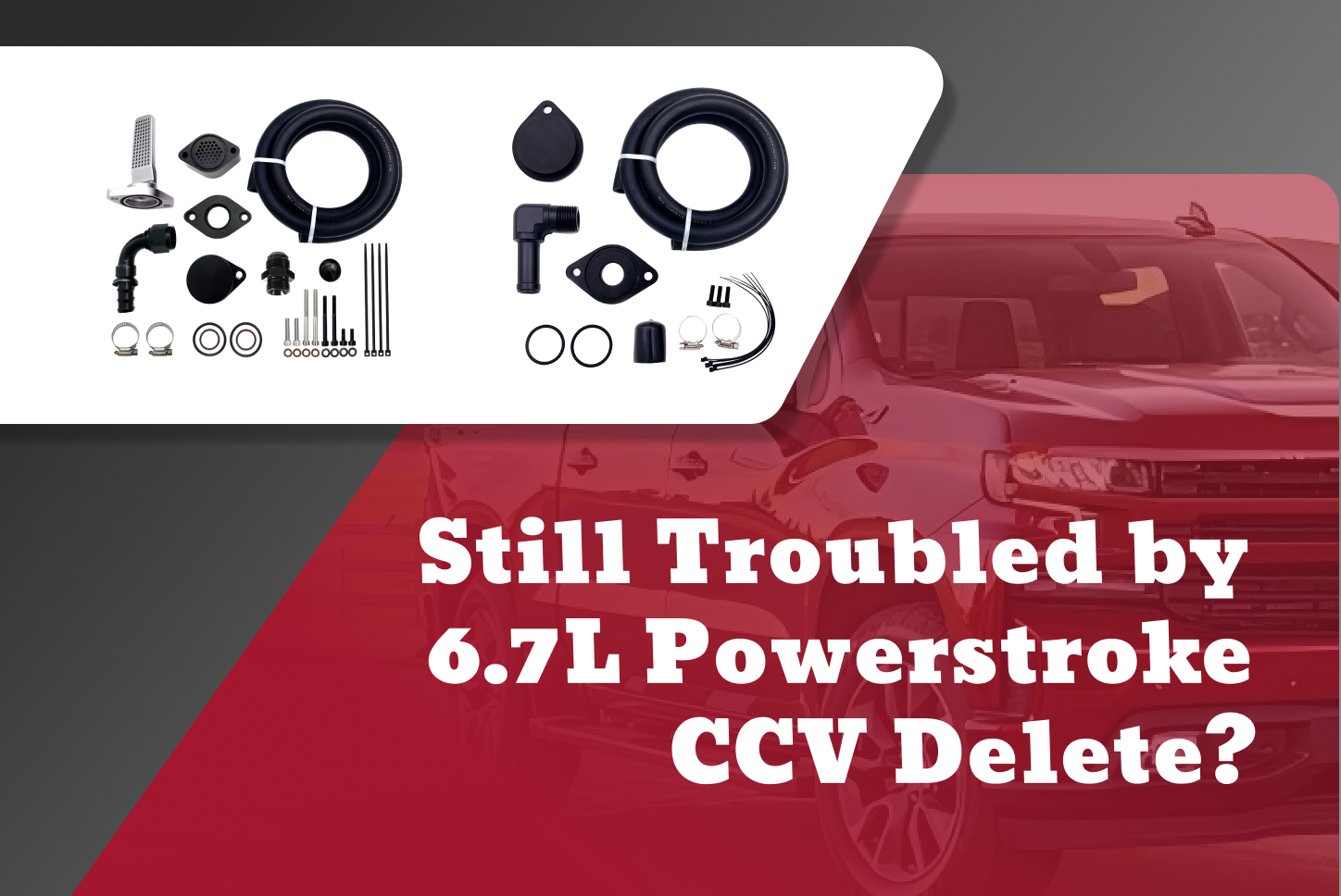
- Fully Integrated Solution: Seamlessly combines DPF/EGR delete, CCV reroute, and a high-flow downpipe into one cohesive, plug-and-play package.
- Premium Material Composition: Expertly crafted from T-409 stainless steel, aluminum alloy, and high-temp silicone composites for the ideal balance of strength, weight savings, and durability.
- Unmatched Flow Efficiency: When paired with 4" or 5" DPF delete piping, the system achieves an overall exhaust flow increase of over 20%, allowing your turbo to breathe freely and spool faster.
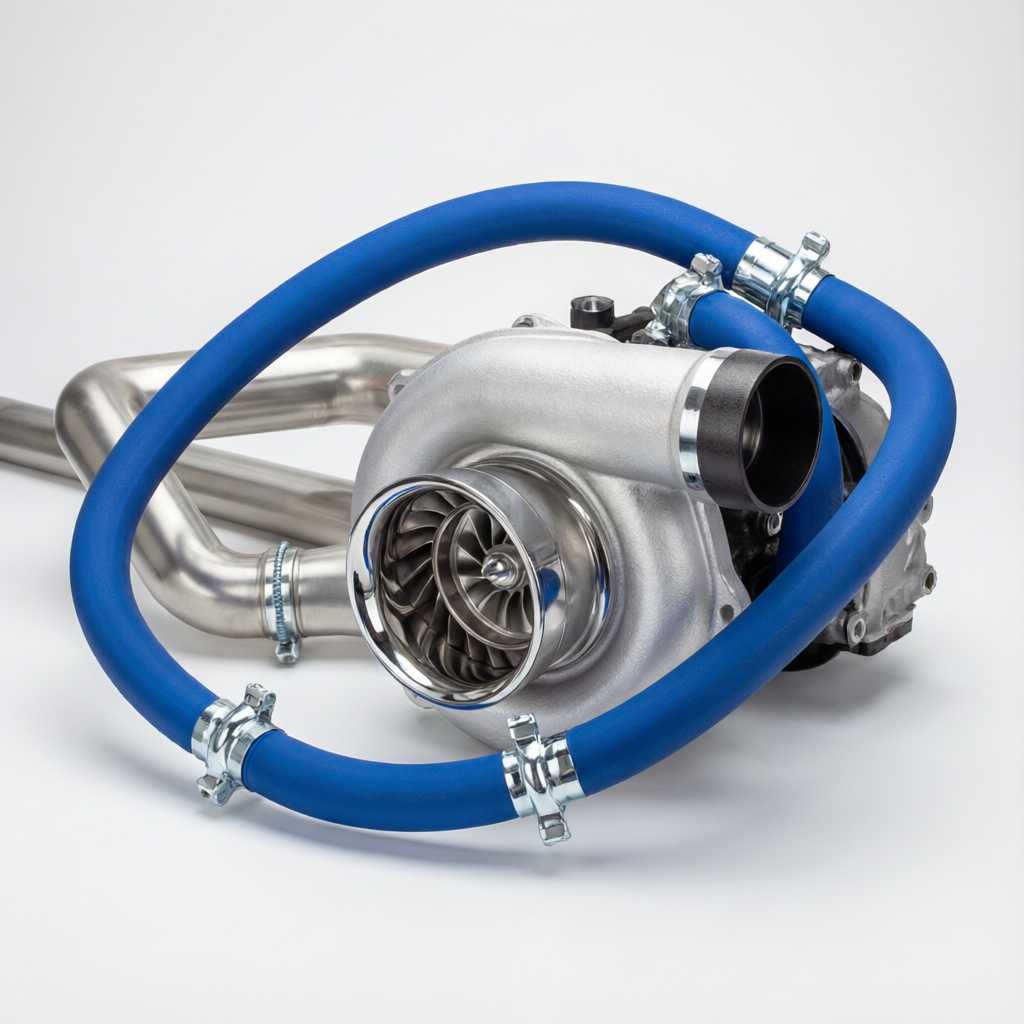
- Intelligent Heat Management: Comes with professional-grade heat-wrapping materials to effectively lower under-hood temperatures and protect critical components.
- Built for Performance Enthusiasts: Engineered strictly for off-road and competition use. This system fully optimizes your emissions architecture to unlock the true performance potential of your turbocharged Duramax.
L5P Downpipe Installation Walkthrough
Preparation Phase
- Disconnect the negative battery cable
- Wear appropriate PPE (gloves, eye protection, heat-resistant sleeves)
- Remove the passenger-side front wheel and corresponding inner fender liner
Factory Component Removal
- Loosen the V-band clamp in the engine bay to disconnect the downpipe from the turbo
- Remove the turbo heat shield and the lower V-band clamp
- Unbolt all related mounting brackets
- Carefully rotate and extract the factory downpipe assembly
- Clean the turbo flange mating surface thoroughly
New Downpipe Installation
- Install a new specialty gasket on the turbo flange
- Guide the new downpipe into position from above, avoiding contact with wiring and hoses
- Loosely install the V-band clamp, align the pipe, then tighten
- Torque the turbo mounting bolts to spec (43 lb-ft)
- Reconnect all fluid lines and electrical connectors
- Verify clearance between the pipe and chassis, then fully tighten all V-band clamps
- Reinstall the heat shield, fender liner, and wheel
Post-Installation Checks and Long-Term Maintenance
Startup and Road Test Verification
-
Listen for Leaks: Start the engine and check for any exhaust leaks (hissing sounds)
-
Test Drive: Verify turbo spool speed, power delivery smoothness, and check for abnormal vibrations
5.2 Routine Inspection Checklist
-
Connection Points: Inspect all flanges and clamps for tightness, rust, or carbon buildup every 5,000 miles
-
Clearance: Confirm the exhaust system maintains safe distance from the chassis and heat shields
-
Surface Care: Clean stainless steel components with a dedicated stainless cleaner; avoid harsh chemicals
Performance Monitoring
-
Check Engine Light: If the CIL illuminates, first check exhaust temperature sensor connections
-
EGT Monitoring: When towing heavy loads, keep an eye on EGTs to verify thermal management improvements
-
Post-Trip Inspection: After the first long-distance trip, perform a full fastener check
Conclusion:
After a comprehensive technical analysis of the L5P Duramax exhaust architecture, one conclusion stands clear: upgrading to a high-performance downpipe is far more than a bolt-on modification—it's a fundamental optimization of your engine's breathing efficiency. By reducing exhaust restriction and lowering turbo temperatures, a quality downpipe delivers tangible gains of 10–20 wheel horsepower, sharper throttle response, and improved overall drivability.
But why stop there? For 2017–2023 L5P owners seeking maximum performance, our complete DPF/EGR/CCV delete kit takes the concept further—systematically removing every emissions-related restriction to unlock the engine's true potential. When combined with professional-grade installation guidance and long-term maintenance support, we deliver a turnkey performance solution that bridges the gap between technical theory and real-world results.
Ready to transform your truck? Visit www.ifjf.com today and start your build.
FAQs About L5P Downpipe
Q1: Can I install a downpipe without doing any other mods?
A1: Absolutely—the downpipe stands on its own as a worthwhile upgrade, and you'll absolutely feel the difference with a quality install. That said, if you're chasing maximum performance, think of it as the foundation rather than the finish line.
Q2: How does a downpipe actually change the way my truck sounds?
A2: A performance downpipe transforms your exhaust note in two key ways. First, by removing factory restrictions, it allows more turbo spool noise to travel through the system and into the cabin. Second, the increased flow smooths out exhaust pulses, resulting in a deeper, more aggressive tone at idle and under load.
Q3: Is upgrading the downpipe on an L5P engine actually worth the time and money?
A3: For 2017–2023 GM trucks powered by the 6.6L L5P, a 3.5-inch downpipe is widely considered one of the best bang-for-your-buck performance upgrades available. It addresses a major factory restriction right at the turbo outlet, delivering gains that are both measurable and immediately noticeable behind the wheel.
Q4: Do I need to upgrade my intake system at the same time?
A4: Not strictly required—but if you're chasing maximum results, it's highly recommended. Think of it this way: the downpipe helps the engine exhale more freely, while an upgraded intake helps it breathe in deeper. Together, they create a balanced, synergistic effect that amplifies overall performance gains.
Q5: Can I really feel a 10–20 horsepower increase in everyday driving?
A5: Absolutely—and honestly, the driving experience tells the story better than the dyno sheet. You'll notice it in the way the turbo spools more eagerly, how the truck pulls harder through the mid-range, and the reduction in that sluggish hesitation when you step on it. The horsepower number is real, but the seat-of-the-pants improvement is what keeps drivers smiling.