
Since its debut in 2011, Ford's 6.7L Powerstroke diesel engine has become a dominant force in the heavy-duty pickup truck market, thanks to its robust power output and reliable durability. However, the crankcase ventilation (CCV) system on this engine has consistently been a hot topic among owners. Whether it's the limitations of the factory design or the pros and cons of various modification options, every Powerstroke owner deserves a thorough understanding of this system. This article will provide a complete guide to the CCV system, covering everything from its operating principles and factory shortcomings to modification comparisons and practical maintenance advice.
How the CCV System Works
During diesel engine operation, piston rings cannot achieve a perfect seal. Some combustion gases inevitably slip past the piston rings and enter the crankcase – this is what we call "blow-by" gases. These gases contain unburned fuel, water vapor, and fine mist of engine oil. If left untreated, these gases will build up pressure inside the crankcase, leading to issues like oil seal leaks and accelerated oil degradation.
The core mission of the Crankcase Ventilation (CCV) system is to draw these gases out of the crankcase, separate out the oil content, and then route the relatively clean air into the intake system for secondary combustion.
Main Purposes:
- Maintaining proper crankcase pressure balance
- Reducing direct atmospheric pollution from these emissions
Factory CCV System Design Flaws
While the concept of the CCV system is sound, the factory implementation on the 6.7L Powerstroke has several notable issues, especially on earlier models.
Poor Crankcase Pressure Control
The most prominent issue is inadequate crankcase pressure management. Measured data shows that on 2011-2016 model years with the factory CCV system, crankcase pressure can exceed 40 inches of water column during full-throttle acceleration. This figure is significantly higher than the ideal range that engine seals can comfortably handle.
Non-Serviceable Filter Design
Early model CCV systems utilized a sealed filter housing, meaning the internal filter could not be replaced separately. As the filter gradually clogged with sludge and carbon deposits, system resistance would continuously increase, further exacerbating the crankcase pressure problem.
Progressive Harm of Filter Clogging
As mileage accumulates, the gradual saturation of the CCV filter is a progressive process. Initially, owners might not notice obvious changes, but several symptoms will eventually become apparent:
- Visible oil film forming on the inner walls of intake passages and the intake manifold
- Oil sludge accumulating on the compressor wheel of the turbocharger
- Oil smell in the engine bay or oily residue on undercarriage components
- Abnormally high crankcase pressure in cold weather, potentially causing the dipstick to pop out or oil seals to leak
These symptoms compound, ultimately affecting the overall performance and reliability of the engine.
CCV Modification Options: Delete or Reroute?
Faced with the myriad problems of the factory system, many owners seek modification solutions. Two main approaches exist in the market: CCV delete and CCV reroute. Although often confused, these are fundamentally different concepts.
CCV Delete
A CCV delete involves completely removing the factory crankcase ventilation system and venting the crankcase gases directly to the atmosphere. Proponents of this modification argue that since the factory system is so problematic, it's best to eliminate it entirely.
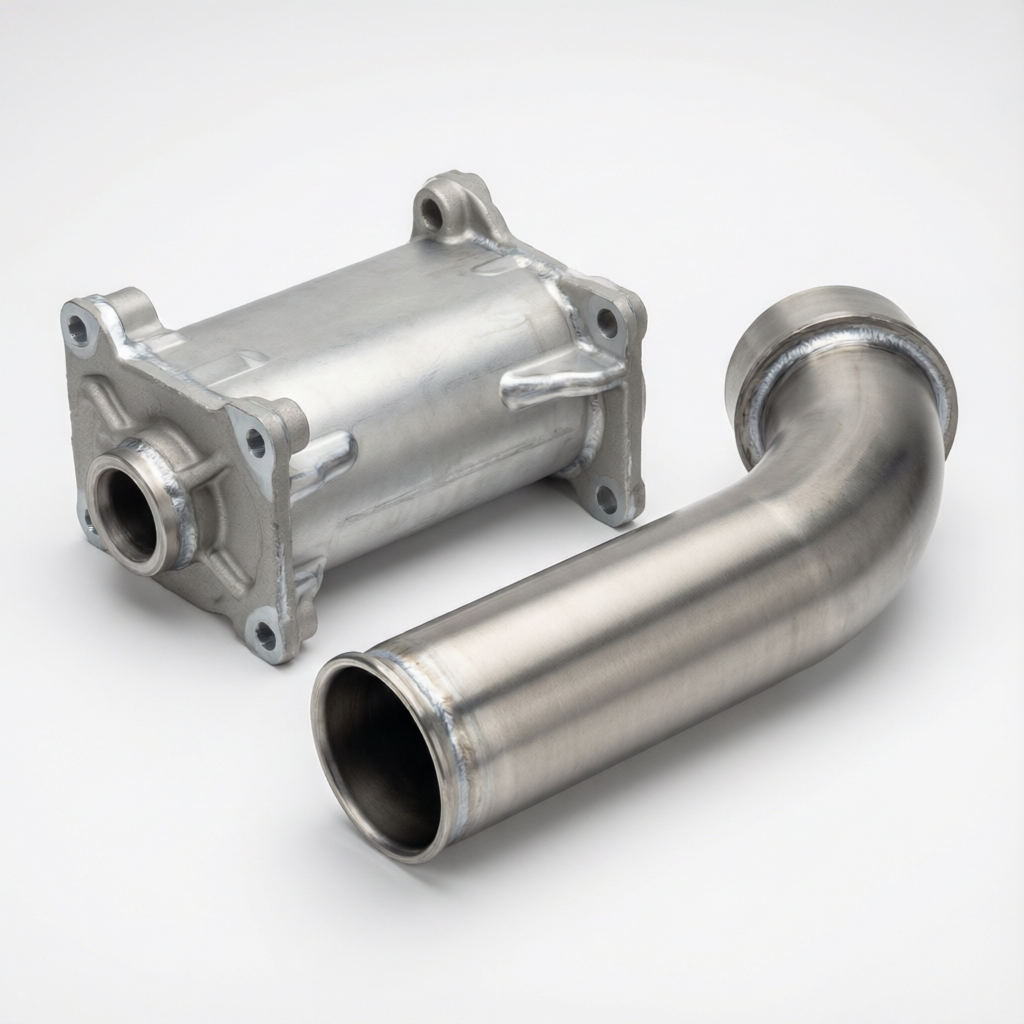
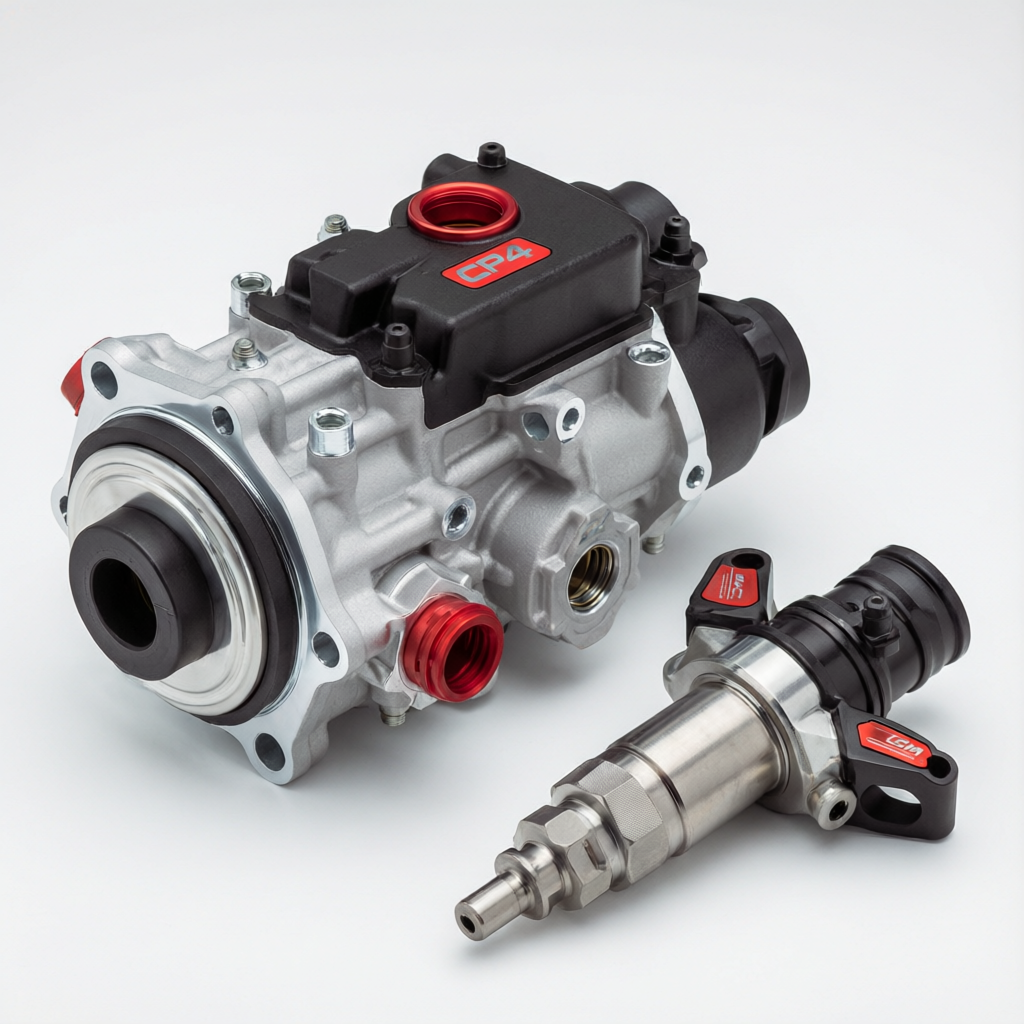
CCV/PCV Delete Kit | 2011-2023 Ford Powerstroke 6.7L
This CCV Delete kit is made of high-quality aluminum alloy and reinforced rubber. The black anodized components enhance its durability and professional appearance. It not only effectively discharges the exhaust gases from the crankcase, but also cleans the engine compartment, thus freeing up valuable space for other modifications.

Core Advantages:
-
The intake system is completely free from oil contamination, keeping the intake manifold, turbocharger, and intercooler clean
-
Reduced carbon buildup, significantly slowing the clogging rate of the EGR valve
-
Turbocharger vanes protected from oil adhesion, extending service life
-
Reduced DPF regeneration frequency, improving fuel economy
-
Eliminates the recurring cost and maintenance time associated with CCV filter replacements
-
Stable air-fuel mixture maintained, resulting in more direct throttle response
Major Drawbacks:
-
Directly vents oil-laden gases to the atmosphere, violating federal emissions regulations and those of most states
-
Potential for oil mist within the engine bay, attracting dust and creating a messy appearance
-
Unburned oil vapor may produce noticeable odors, potentially entering the cabin with windows open
-
In cold climates, the vent hose can freeze, leading to blocked ventilation and pressure buildup
-
Potential to trigger the check engine light if sensors detect abnormal pressure or flow
CCV Reroute
A CCV reroute maintains the ventilation function but directs the gases to a different treatment path. The most common approach is to add an oil catch can to the system.
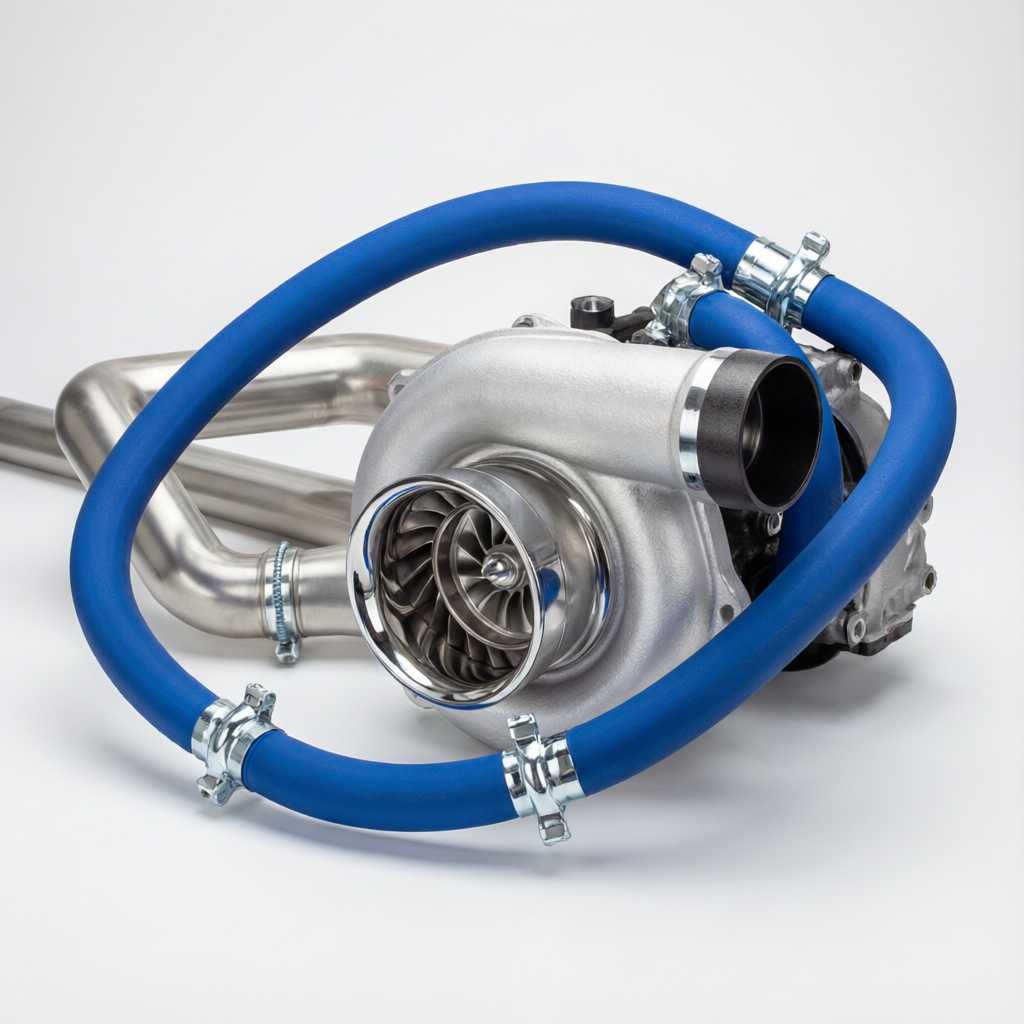
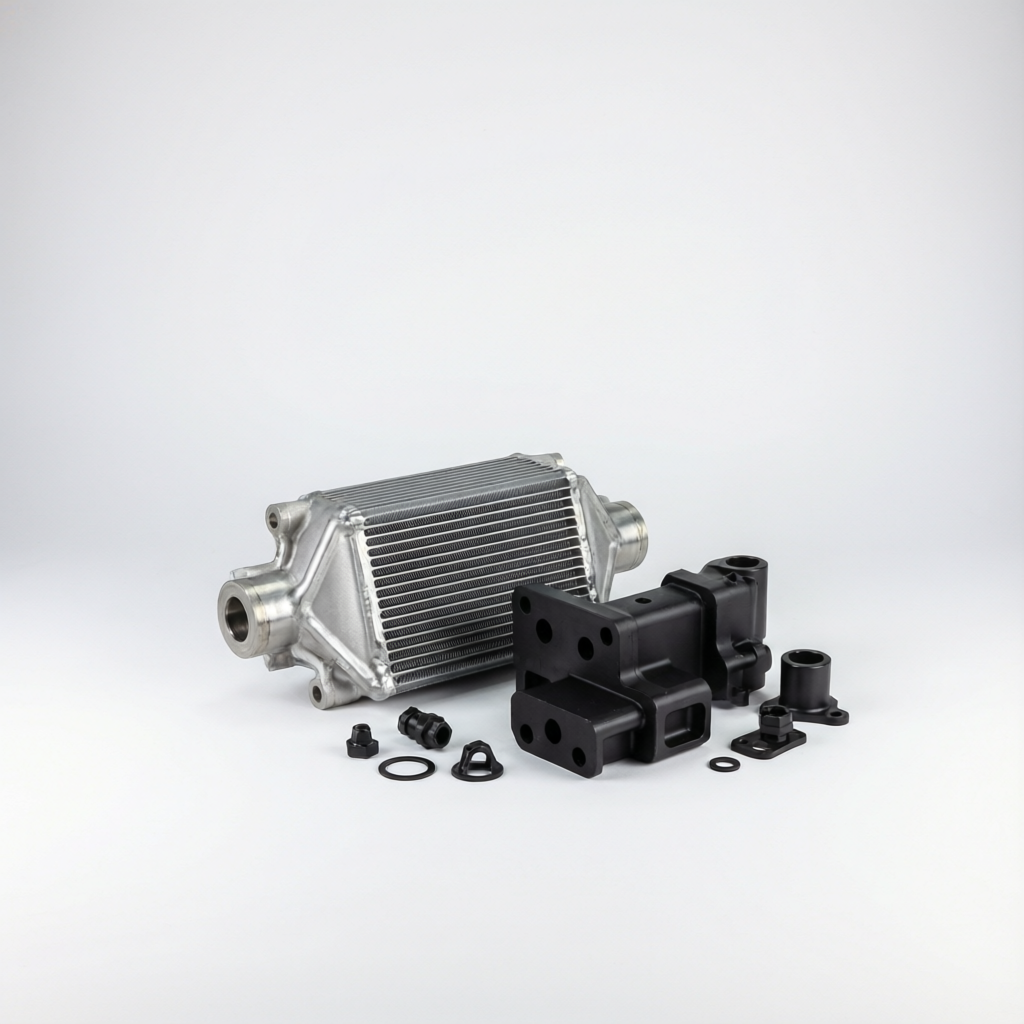
CCV/PCV Delete Kit | 2011-2023 Ford Powerstroke 6.7L
With our advanced CCV kit , it offers a catch can that has been meticulously designed to minimize the pressure drop between the baffles, ensuring unobstructed airflow and effectively filtering the engine oil in the crankcase steam.

Core Advantages:
-
Drastically reduces the amount of oil entering the intake system, though not eliminating it entirely
-
Retains the original emissions control concept, being more environmentally responsible than a complete delete
-
Noticeably improves intake system cleanliness without the full legal risks of a complete delete
-
In areas requiring vehicle inspections, this modification is often easier to pass visual checks
Major Drawbacks:
-
The catch can requires regular checking and draining; otherwise, separation efficiency decreases
-
A small amount of oil vapor still enters the intake system
-
Modification success heavily depends on kit quality and installation skill; poor products can lead to leaks
Choosing and Installing a Modification Kit
Overview of Market Offerings
CCV modification kits for the 6.7L Powerstroke range in price from $200 to $500, with differences stemming from:
-
Material Quality: High-quality kits use oil-resistant, high-temperature silicone hoses and aluminum fittings, while budget options may use standard rubber hoses and plastic fittings
-
Ease of Installation: Vehicle-specific kits typically offer pre-formed hoses and dedicated brackets, simplifying installation
-
Brand Reputation: Established brands often provide better after-sales support and quality guarantees
The Importance of Professional Installation
Whether you choose a delete or reroute, installation quality directly determines the modification's success. Improper installation can lead to:
-
Abnormally high crankcase pressure, creating new leak points
-
Improper hose routing contacting heat sources, risking melting or even fire
-
Poor sealing of the intake port, introducing unmetered air and affecting the air-fuel ratio
-
Poor catch can placement hindering drainage convenience
Professional installation typically involves:
- Removing the factory CCV assembly and related hoses
- Correctly installing the vent valve or catch can per kit instructions
- Thoroughly sealing the original intake port to prevent vacuum leaks
- Routing all hoses away from high-temperature components like exhaust manifolds and the turbocharger
- Checking all connection points for leaks
Post-Modification Maintenance
For owners choosing to keep the factory system, follow these maintenance recommendations:
-
Inspect the CCV filter condition every 100,000 miles; replace if significant sludge buildup is present
-
Regularly check seals and gaskets around the crankcase for signs of leakage
-
Use high-quality oil meeting specifications to minimize blow-by contaminants
-
Periodically inspect hose connections for looseness, cracking, or aging
-
Before cold seasons, check hoses for water accumulation that could freeze
Legal and Warranty Considerations
Emissions Regulations Risk
In the United States, under the Clean Air Act, tampering with or removing any emissions control device is illegal. The CCV system, as a crankcase emissions control system, is explicitly classified as an emissions control device. This means:
-
At the federal level, CCV deletion is illegal
-
Some states (especially those adopting California emissions standards) have zero tolerance for emissions system modifications
-
When selling the vehicle, if a buyer discovers tampering, it can lead to a failed transaction or significant price reduction
-
In areas with annual emissions testing, modified vehicles may fail inspection
Warranty Implications
For vehicles still under factory warranty, CCV system modification will result in:
-
Any engine-related warranty claims may be denied
-
If modification causes damage to other components (e.g., turbocharger failure due to ventilation issues), repair costs are your responsibility
-
Ford dealerships have the right to refuse warranty service on modified vehicles
Even for out-of-warranty vehicles, a modification history can influence repair decisions and costs during major service work.
Who Should Consider CCV Modification?
Based on the above analysis, the following types of owners might be better candidates for CCV modification:
Heavy Modifiers
If your truck has undergone ECU tuning, turbocharger upgrades, or intake system modifications, oil contamination from the factory CCV will have a more pronounced impact on performance. In this case, keeping the intake system clean provides performance benefits that may outweigh the modification risks.
Heavy-Duty Users
Trucks frequently used for heavy towing or operating in severe conditions place higher stress on the CCV system, leading to faster filter clogging. For these users, the convenience of reduced maintenance frequency may justify some risk.
Track or Competition Use
Vehicles used purely for competition are typically exempt from emissions regulations, making CCV deletion a reasonable choice to simplify the system and improve reliability.
Average Daily Drivers
For most owners using their trucks for daily commuting and occasional towing, maintaining the factory system as scheduled is likely the safer choice. If dissatisfaction with the factory design persists, a high-quality reroute kit offers a more balanced solution than a complete delete.
Conclusion
The CCV system issues on the 6.7L Powerstroke are real challenges owners must face. The shortcomings of the factory design in pressure control and maintainability have fostered a diverse aftermarket. Whether you choose to retain the factory setup, opt for a reroute kit, or go with a complete delete, the most important thing is to make an informed decision based on complete information.
Ready to take control of your 6.7L Powerstroke's crankcase ventilation? Visit www.ifjf.com today to explore our complete lineup of premium CCV modification kits, we have the solution tailored to your needs.
FAQs About 6.7L Powerstroke CCV Delete
Q1: What are the main benefits of performing a CCV delete on a 6.7 Powerstroke?
A1: The core benefits include improved engine performance due to reduced intake restriction, preventing oil vapor buildup and contamination in the intake system, and freeing up space in the engine bay for other modifications or easier maintenance.
Q2: Can I do a CCV delete and an EGR delete at the same time?
A2: Yes, many diesel enthusiasts choose to perform both modifications to maximize power gains and reduce long-term maintenance headaches. However, be aware that modifying emissions-related components like these can have legal and warranty implications, so it's important to understand the risks beforehand.
Q3: How do I choose between a reroute and a complete delete?
A3: If your pickup is mostly street-driven, going with a reroute kit plus an oil separator is the smarter play. The full delete setup is really only practical for track-only or serious off-road rigs. If you go that route, just know you'll be dealing with potential legal issues and the smell of blow-by gases.
Q4: How hard is it to install a CCV delete kit on a 6.7 Powerstroke?
A4: For someone with decent mechanical skills, installing a CCV delete kit is pretty straightforward. That said, you need to pay close attention to proper routing and crankcase pressure relief to get it right. For best results, having a professional handle the installation is a solid option.
Q5: Does removing the CCV void my vehicle's warranty?
A5: Yes, removing the CCV system will likely void your vehicle's warranty, especially if it leads to engine or emissions system problems. It's highly recommended to consult your manufacturer or dealer before performing this modification.