
When the intake manifold of your vehicle - the core passage responsible for delivering air to the cylinders for combustion - experiences vacuum or coolant leakage, the consequences can range from a slight performance decline to catastrophic engine damage. Early detection of leakage symptoms is crucial as it can effectively prevent unexpected failures and save significant repair costs. This guide will systematically explain the seven most common fault indicators for you, and analyze the underlying engine health conditions reflected by each phenomenon.
Understanding The Intake Manifold and The Potential Risks of Leakage
As the precise air distributor of the engine, the intake manifold is responsible for evenly directing the airflow into each cylinder. Its core value lies in maintaining complete sealing - any minor leakage will disrupt the precise air-fuel balance. Even minor leaks can reduce combustion efficiency, while more serious leaks directly threaten the "life" of the engine.
Two kinds of dangerous leaks
When the seal fails, two completely different but equally dangerous leakage paths will be created. Understanding the fundamental differences between these two types of leaks is precisely the first step in diagnosis and prevention :
Vacuum Leaks
External air that is not measured by the sensors is "inhaled" at the wrong location, diluting the set air-fuel ratio. This leads to system misjudgment, abnormal combustion, and the engine gets trapped in a vicious cycle of "computational chaos" and power loss.
Coolant Leaks
When the gasket fails or the manifold cracks, the liquid that should circulate only within the cooling circuit may enter the combustion chamber or oil passage. The consequences are not only a decline in performance, but more likely to instantly cause a "liquid lock" that immobilizes the piston, or lead to a complete breakdown of the lubrication system, directly
Common Warning Signs of Intake Manifold Leakage
Unstable idling and abnormal vibration
This is a typical early symptom of vacuum leakage. Due to the unmeasured air disrupting the preset air-fuel ratio, the engine control unit receives chaotic signals, causing fluctuations in the engine speed or a jerking sensation that seems like the engine is about to stall.
Identification features: Abnormal shaking of the vehicle while waiting at a red light, and the idle speed gauge pointer fluctuates irregularly.
Engine Fault Indicator and Fault Codes
When the oxygen sensor detects an insufficient mixture due to leakage, it usually triggers fault codes P0171 or P0174. These codes often occur simultaneously with abnormal engine operation.
Treatment suggestion: Do not merely clear the fault codes; instead, immediately investigate the root cause to prevent the damage from worsening.
Acceleration Lag and Slow Power Response
When stepping on the accelerator, there is a noticeable delay in the engine's response or a lack of smooth power connection. Especially under load conditions that require more fuel output, an overly lean mixture will significantly reduce combustion efficiency, resulting in poor acceleration.
Coolant has Unexpectedly Decreased
This is a hidden sign of coolant leakage: The coolant level keeps dropping, but there are no any leakage traces at the bottom of the vehicle. At this time, the coolant might be being sucked into the air intake and entering the combustion chamber to participate in the combustion.
Key warning: No external leakage but repeated lack of coolant, and white smoke is emitted from the exhaust.
Tailpipe Emits White Smoke.
When the leakage of coolant is significant, the tailpipe will continuously discharge white smoke with a sweet smell. This indicates that the coolant has continuously entered the combustion chamber and been burned along with it. Immediate action must be taken to prevent serious damage to the engine.
Engine Temperature has Abnormally Risen
Coolant leaks through the intake manifold can create air pockets in the cooling system, leading to localized hot spots and overheating. Even with adequate coolant in the reservoir, air trapped in the system prevents proper heat transfer.
Engine Oil Emulsification
In some engine structures, coolant may leak in and mix with the engine oil. Check the oil dipstick or the filler cap. If you find a milky white or light brown substance, it indicates that the coolant has contaminated the engine oil. Immediate repair is required.
Ultimate Solution for Intake Manifold Leakage
The original intake system, especially the design integrated with the EGR (Exhaust Gas Recirculation) system, is essentially a compromise. Its failure logic is rooted in four major structural flaws:
- Thermal cycling embrittlement - Plastic components gradually lose their toughness under continuous thermal cycling
- Carbon deposit local ablation - Microscopic "hot spots" form due to the accumulation of particles in EGR exhaust gas
- Resonance fatigue failure - Engine vibration continuously impacts the sealing structure
- Cooling channel chemical corrosion - Different metal materials react under high temperatures.
Upgrade Performance Solution
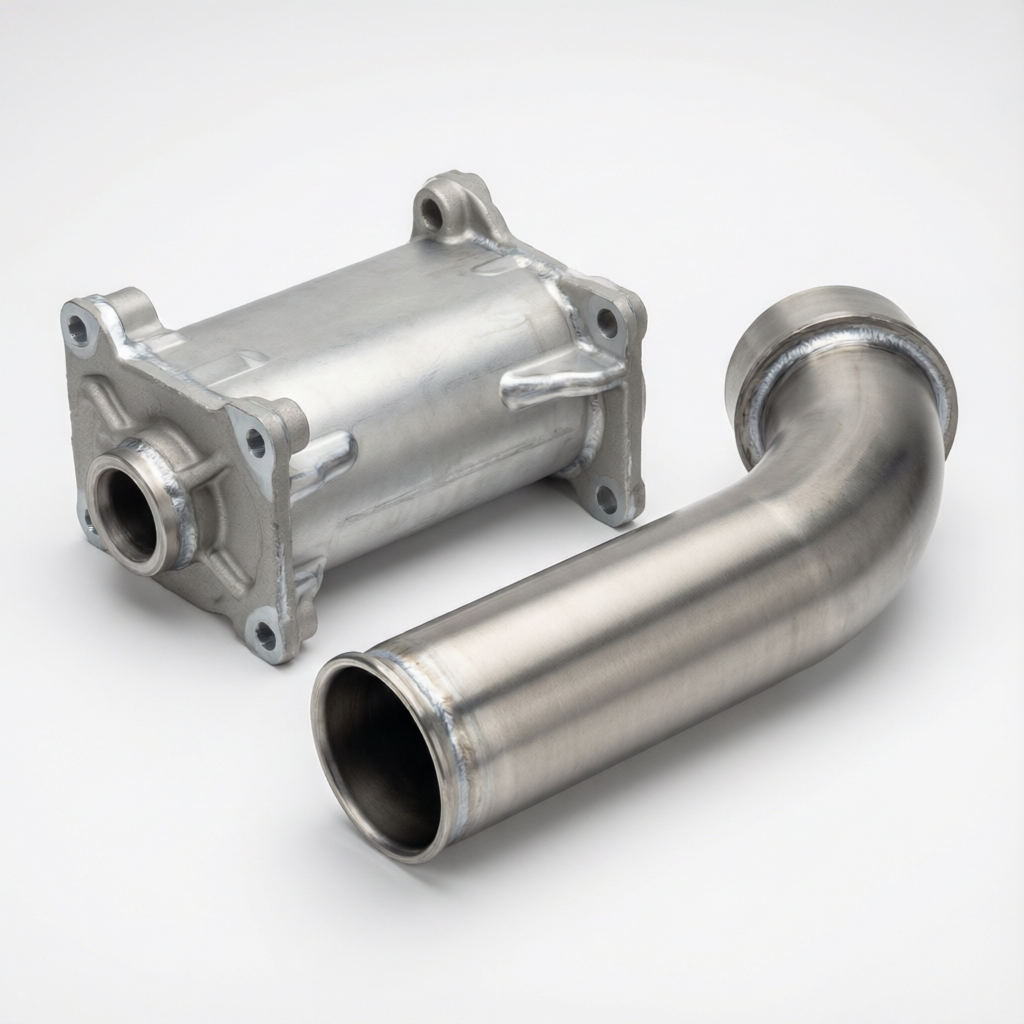
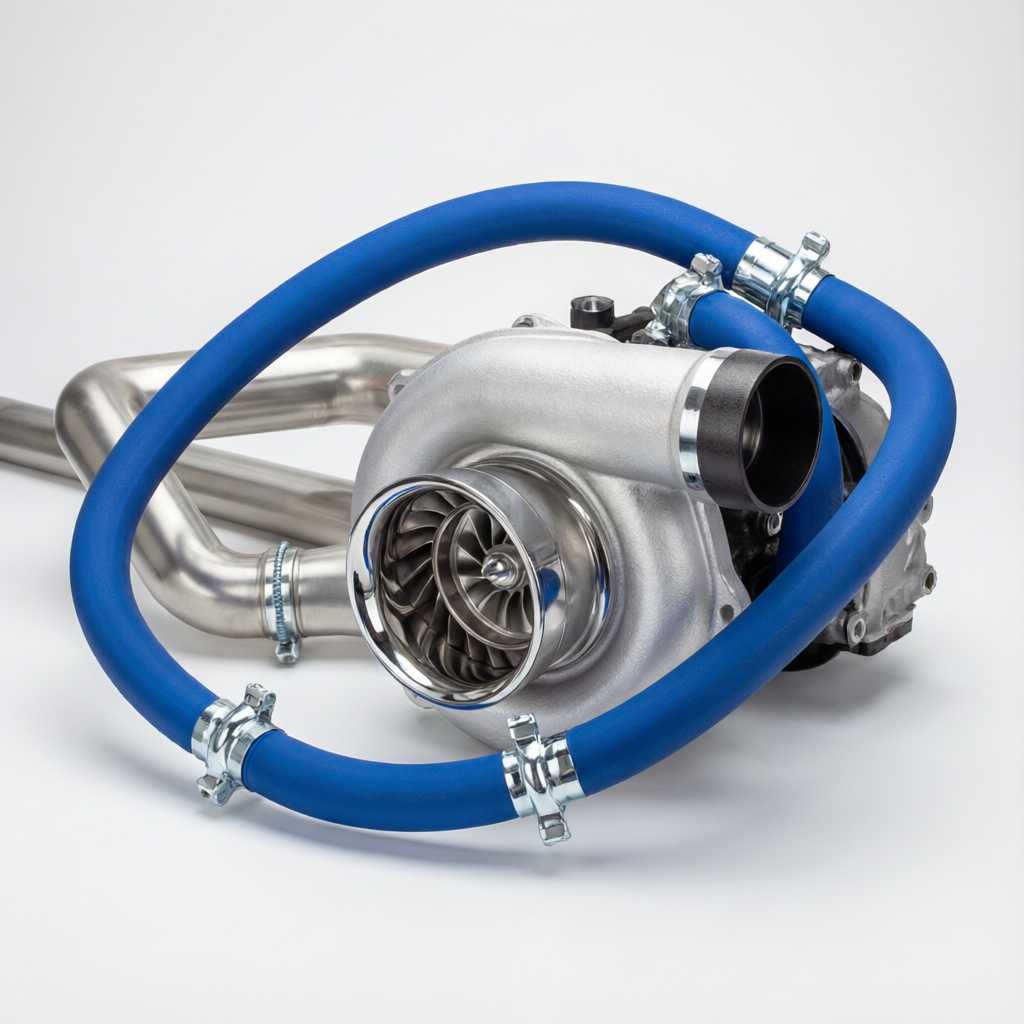
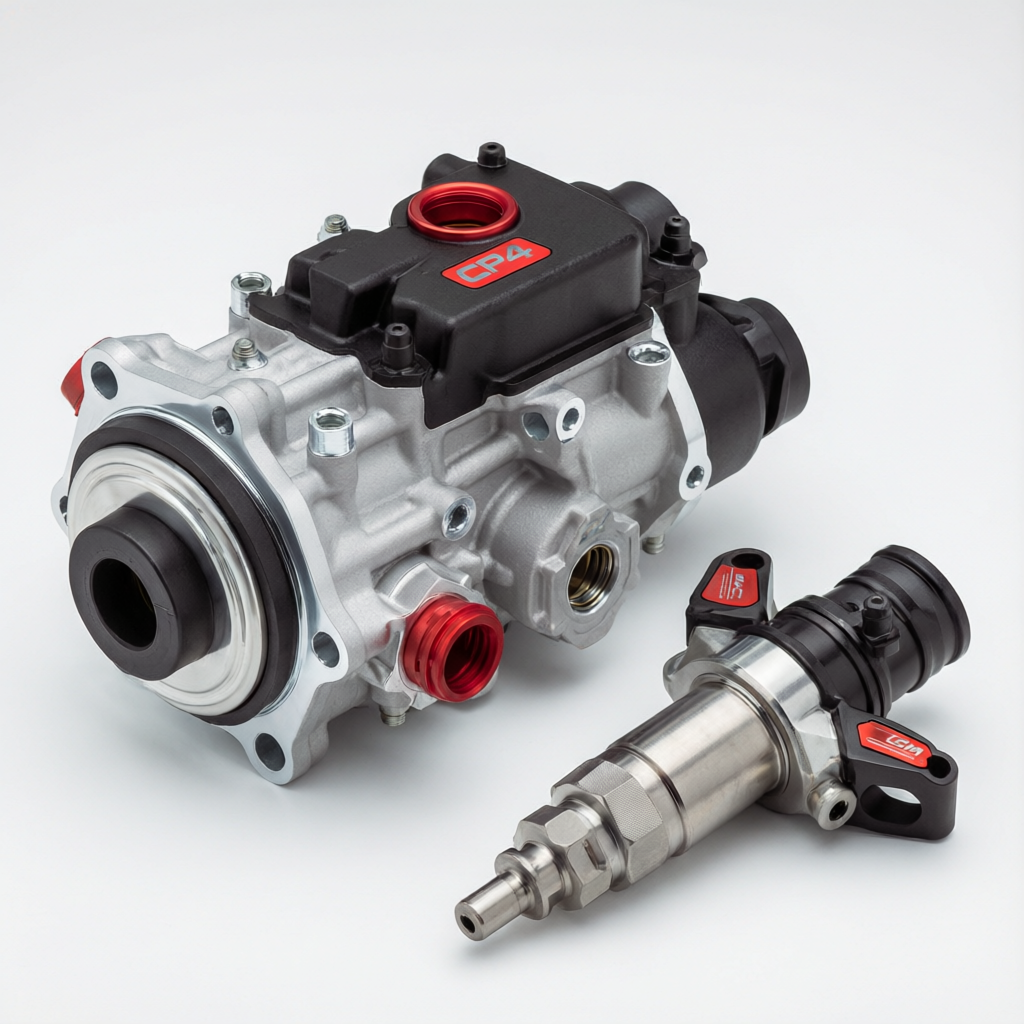
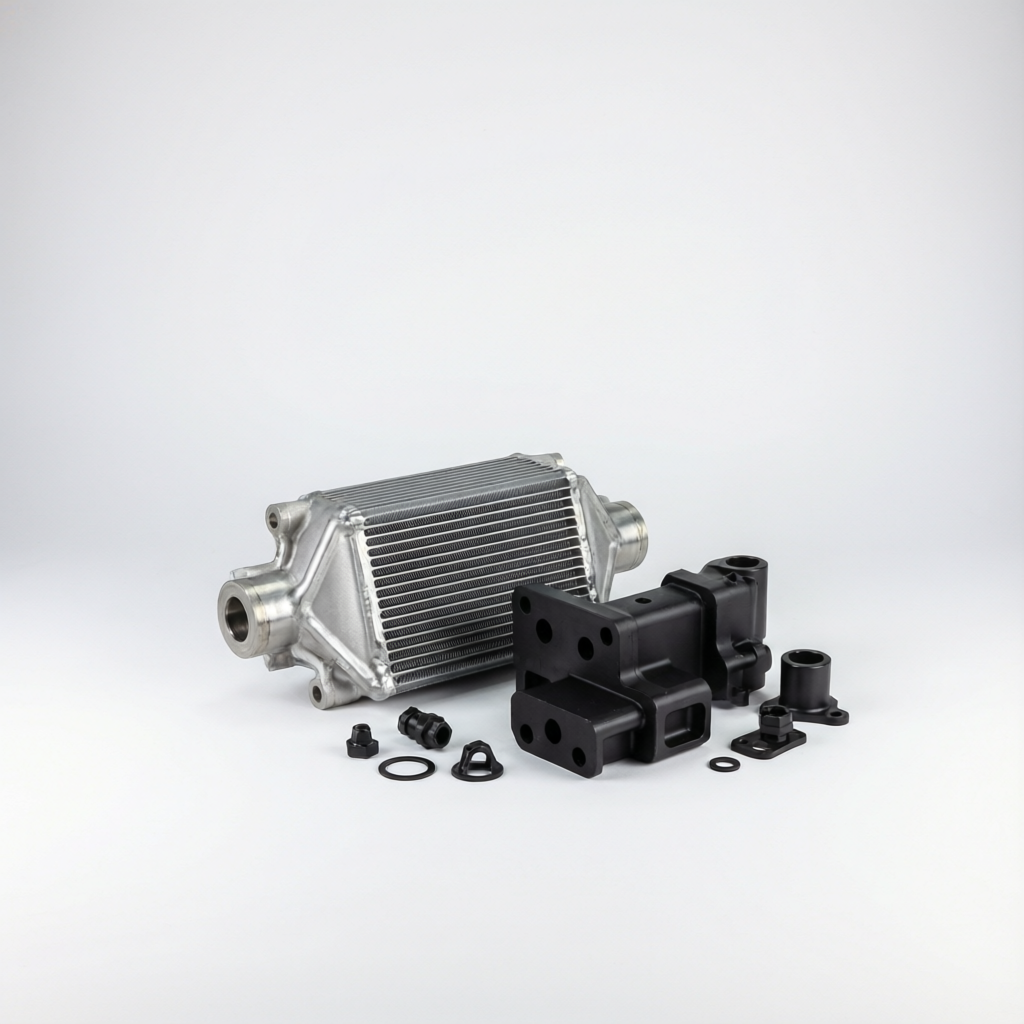
For the 2010-2018 model 6.7L Ram Cummins engine, we have introduced the 3.5-inch intake manifold elbow/EGR cooler upgrade kit to completely address common leakage issues. This is not just a replacement part, but a comprehensive upgrade to the original factory's defective design, providing:

- Eliminate carbon deposits and thermal damage caused by the EGR system
- Strengthen the structure to prevent seal failure due to vibration
- Optimize the airflow path to enhance combustion stability
- Comprehensive package with precise matching
- Prevent the risk of coolant cross-contamination from the very beginning
After the upgrade, not only will leakage risks be completely eliminated, but the engine's operating efficiency and long-term reliability will also be significantly improved.
Fault Diagnosis and Action Guide
Three-step Diagnostic Method
Before carrying out the maintenance, it is recommended to follow the following professional procedures for system diagnosis:
-
Smoke test: By injecting tracer smoke into the intake system, the location of vacuum leakage points can be directly identified. This is the most accurate professional method for confirming vacuum leakage.
-
Cooling system pressure test: By applying pressure to the sealed cooling system and monitoring the pressure changes, it is possible to effectively identify the pressure drop caused by internal leakage, thereby determining whether there is coolant leakage.
- Visual inspection: Carefully check if there are any coolant crystals or oil stains around the intake manifold gasket, and observe if there are any traces of oil-water mixture at the joint surface.
Key Considerations In Maintenance Decisions
Once the leakage is confirmed, please evaluate the best solution by considering the following four aspects:
-
Vehicle age: Vehicles with a longer service history are more likely to benefit from component upgrades for long-term stability.
-
Usage intensity: If the equipment is subjected to frequent heavy loads, towing, or operates in harsh environments for a long time, a solution with greater durability should be chosen as a priority.
-
Holding Plan: If the vehicle is to be used for a long term, investing in high-quality components will be more cost-effective.
- Performance requirements: Modern upgraded components often enhance reliability while also optimizing intake efficiency, resulting in additional power gains.
Conclusion
The hidden dangers of intake manifold leakage cannot be ignored - from vacuum leakage that affects performance to coolant leakage that threatens engine safety, these seemingly minor symptoms can all develop into expensive maintenance problems. If you want to completely solve this problem and improve system reliability, please visit www.ifjf.com. We offer targeted upgrade plans and complete intake system solutions. Our professional team will customize the most suitable performance configuration for you based on your vehicle model and actual usage requirements.
FAQs About Intake Manifold Leaks
Q1: Will intake manifold leakage damage the engine?
A1: Yes. Vacuum leakage may gradually damage the oxygen sensor and the catalytic converter. Coolant leakage, on the other hand, may lead to bearing failure, engine fluid locking, or even complete jamming, causing irreversible and severe damage.
Q2: How much does it usually cost to repair an intake manifold?
A2: The maintenance cost is usually between 500 and 1,500 US dollars (including parts and labor). From a long-term economic perspective, regular preventive maintenance and the selection of high-quality upgraded components are often wiser choices.
Q3: Can one continue driving after experiencing leakage symptoms?
A3:If it is a vacuum leakage, only short-distance and low-speed driving is allowed, but maintenance should not be delayed. If there is a coolant leak, it is strictly forbidden to continue driving; otherwise, it may cause a catastrophic failure due to overheating or engine "liquid lock".
Q4: How long does it usually take to repair an intake manifold leak?
A4: The maintenance time mainly depends on the nature of the leakage and the maintenance plan. If only the gasket is replaced, it usually takes 2 to 4 hours. If the entire intake manifold needs to be replaced, it may take 5 to 8 hours.
Q5: How to effectively prevent intake manifold leakage?
A5: You can check the sealing condition of the intake system according to the maintenance cycle, regularly maintain the gaskets and bolts in accordance with the standards, and keep the surrounding pipelines intact to avoid abnormal vibration