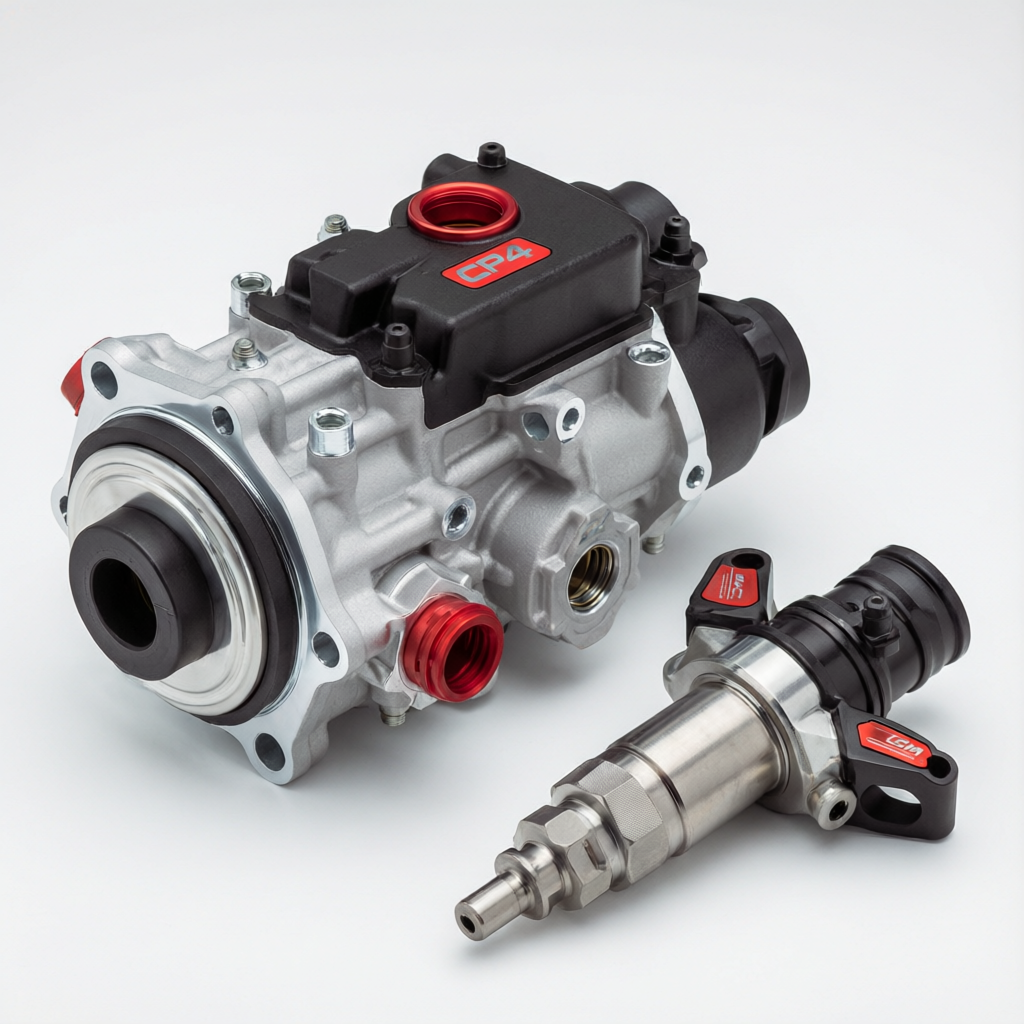

If you own a 6.0L Powerstroke, you've probably already had some run-ins with the EGR system. And chances are, it wasn't a good time. This thing sits in your engine like a ticking time bomb – eventually, it's going to cost you serious money. Some owners delete it and never look back. Others hold off because they're worried about inspections. And then there are the guys who delete it but end up with new problems. This guide cuts through the noise. We're breaking the EGR delete into three parts: why it keeps failing, whether deleting is actually worth it, and how to install it without screwing it up.
Why the 6.0L EGR System Is Almost a "Must-Delete"
The EGR system on the 6.0L Powerstroke was designed to lower emissions. But in the real world, it's turned into one of the weakest links on the whole engine. Here's why so many people end up ripping it out.
It's Got Design Flaws from the Factory
The stock EGR cooler just can't handle long-term high heat and pressure. Eventually, it starts leaking coolant. That coolant makes its way into the combustion chambers, slips past the piston rings, and ends up in the oil pan. Now your oil is thinned out. Thinner oil means more internal wear. In bad cases, you'll get knocking – less power, rough running, the whole mess.
Carbon Buildup Is the Other Headache
Exhaust particles slowly coat the EGR valve and intake manifold, turning into hard, crusty carbon deposits. The more they build up, the more they choke off your airflow. The results? Sluggish turbo response, weak throttle feel, worse fuel economy, and an idle that shakes like a washing machine.
Repairs Are Expensive – And They Don't Last
Most trucks need EGR work within three to five years. A single trip to the shop can easily run you a thousand bucks or more. And here's the kicker – it often fails again not long after. High failure rate plus high repair cost. No wonder people delete it.
It Takes Other Parts Down With It
The EGR system is supposed to reduce NOx emissions, but when it fails, it doesn't go quietly. Carbon buildup and coolant leaks will slowly damage your turbocharger, pistons, valves, and other key components. Before you know it, the whole engine's reliability goes in the toilet, and your maintenance bills keep climbing.
What You Gain vs. What You Risk
An EGR delete isn't a perfect fix. It solves some problems but creates others. Here's the honest breakdown – you decide.
The Upside Is Real
-
More Power – Pulling the EGR improves airflow and turbo response. Exhaust gas temps drop by about 200°F. With a proper tune, another 20–50 horsepower is totally normal.
-
Lower Maintenance Costs – No more EGR cooler leaks. No more stuck EGR valves. No more paying someone to clean out carbon. Over time, that adds up to serious savings.
-
The Engine Lasts Longer – Without exhaust gas being fed back into the intake, your turbo, pistons, and other parts see way less carbon-related wear. Lower operating temps also help everything live longer.
But There Are Real Risks
-
Legal Trouble – The EGR is a federally required emissions device. Deleting it makes your truck illegal for road use in most places. In states with strict testing, you'll fail inspection and could get fined.
-
Warranty Goes Out the Window – If your truck is still under factory warranty, this mod voids it. Period.
-
You Absolutely Must Tune It – If you delete the EGR and don't retune the ECU, you'll get a check engine light, fueling issues, and drivability problems.
So Who Should Actually Delete It?
-
Owners of older trucks that are already out of warranty and have had repeat EGR failures.
-
Trucks that live off-road – on farms, ranches, or dedicated trail rigs that don't see public roads.
-
Performance guys who understand the legal risks and are willing to deal with them.
Which One Is Right for You?
A successful EGR delete comes down to three things: the right plan, quality parts, and a solid install. Here are two different kits for different types of owners.
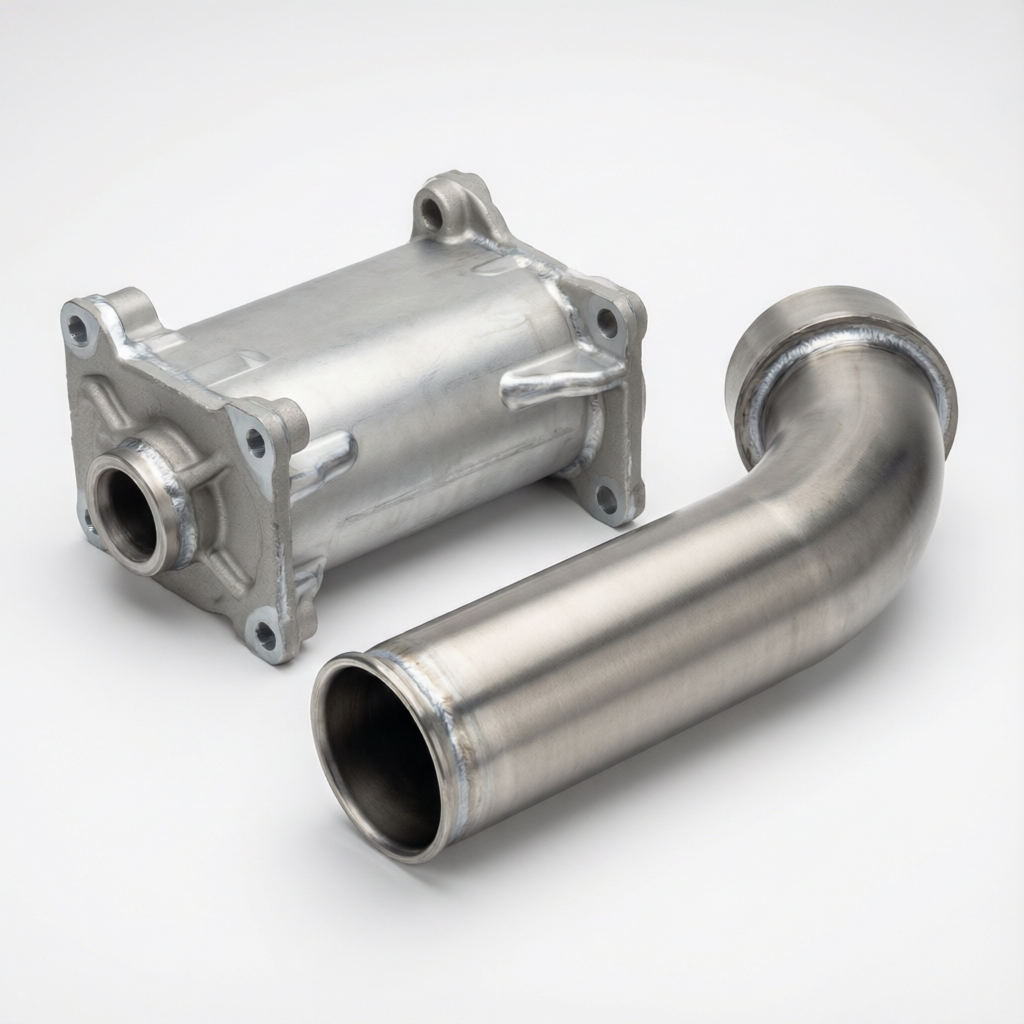
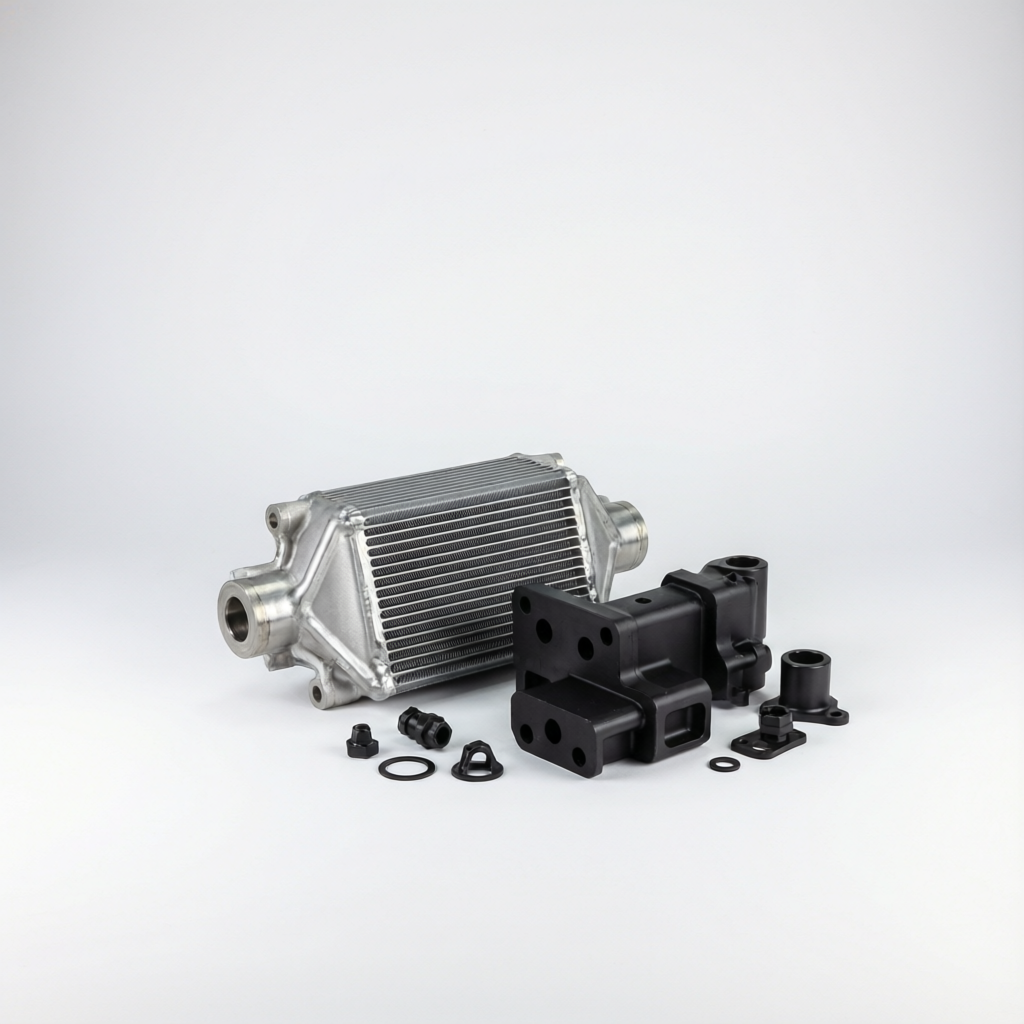
EGR Delete Kit | 2003-2007 Ford Powerstroke 6.0L
Who it's for: Daily drivers, light-duty work trucks, owners on a budget.

What you get:
-
Materials: 304 stainless steel + machined billet aluminum. Handles heat, won't corrode.
-
Job: The EGR delete kit completely replaces the factory EGR cooler. No more coolant leaks.
-
Result: Lower engine operating temps, less heat stress.
-
Savings: You'll never pay for another EGR-related repair.
-
Install: Straightforward. Doesn't mess with other systems. Keeps the stock exhaust layout.
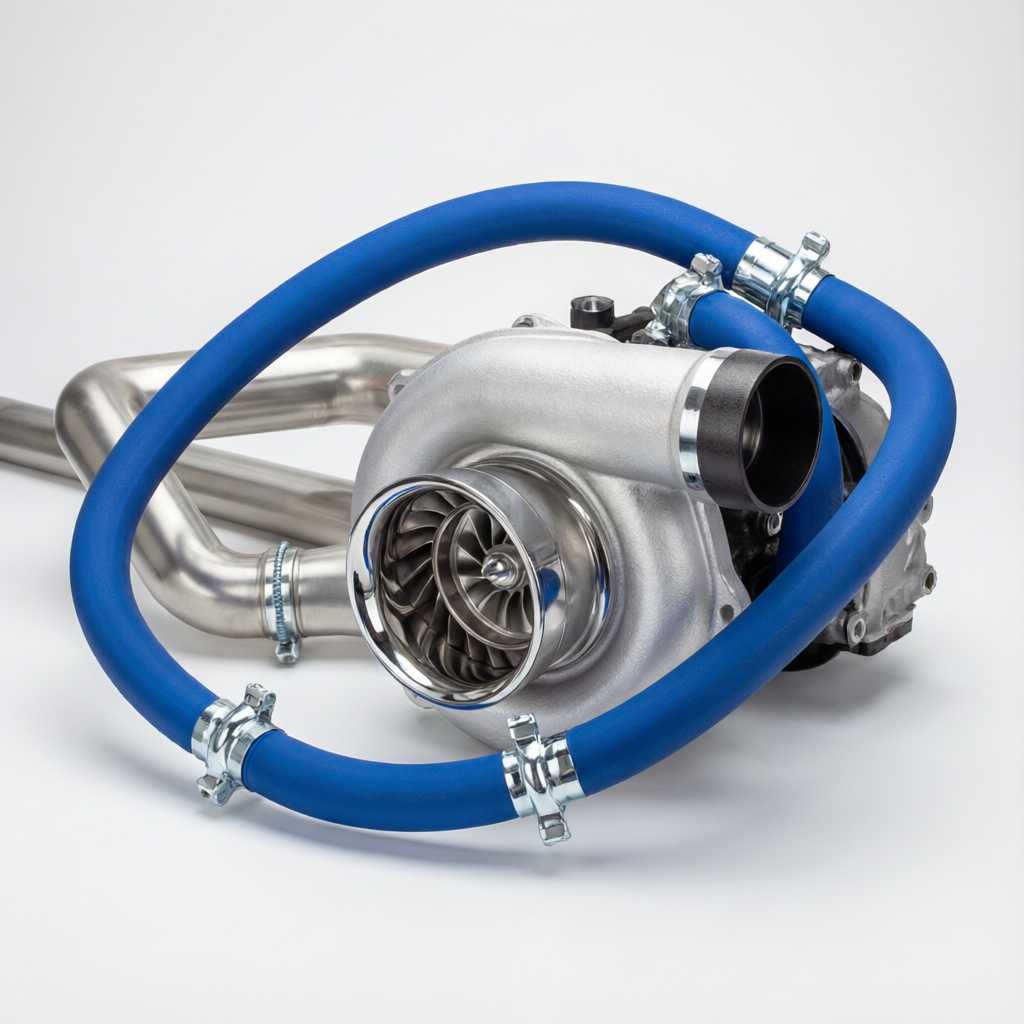
EGR Delete Kit | Exhaust Up/Y-Pipe | 2003-2007 Ford Powerstroke 6.0L
Who it's for: Off-roaders, heavy-duty work trucks, owners who want noticeable power gains.

What you get:
-
Two upgrades at once: EGR delete plus an upgraded up-pipe.
-
Materials & build: T-304 stainless, 16-gauge wall thickness, precision TIG welds.
-
Performance: Faster turbo spool, lower exhaust backpressure.
-
Smart design: Built-in flexible bellows to reduce vibration stress.
-
Install: Integrated design – no extra adapters needed.
Key Steps and the Mistakes Guys Make
EGR delete is a medium-difficulty job. The two most important things: be careful during removal, and get the sealing right when you put it back together. Here's what you need to know.
Tools and Supplies
-
Basics: Socket set, screwdrivers, torque wrench.
-
Specialty: V-band clamp tool, soft pry bar.
-
Consumables: Penetrating oil, drain pan for coolant, compressed air, lint-free towels, shop rags, protective covers, food-grade lube for O-rings.
Before You Start
-
Let the engine cool completely. Like, stone cold. Otherwise, you'll get burned, snap bolts, or spray coolant everywhere.
-
Get your workspace organized. Lay out your tools and kit parts so you're not hunting for stuff mid-job.
-
Take safety seriously. Cover open intake and turbo ports so nothing falls in. Disconnect the negative battery terminal.
The Core Installation Steps
Pull the Stock Stuff Off
-
Move wiring harnesses out of the way and secure them.
-
Remove the intake pipe, turbo inlet pipe, and PCV valve. Blow out the intake openings with compressed air.
-
Loosen the boost pipes and exhaust connections. Disconnect the turbo oil supply and VGT actuator wiring.
-
Remove the turbo mounting hardware.
-
Take off the EGR cooler and intake manifold – go slow. Loosen one side, then fully remove the other. Label your bolts. Make sure all gaskets and O-rings come out with the parts.
Install the Delete Kit
-
Put the block-off plate in place using the original V-band clamp.
-
Reinstall the intake manifold. Torque the bolts in sequence to factory spec (usually 120 in-lbs).
-
Install the stainless coolant lines and silicone hoses. Leave the clamps loose for now so you can adjust.
-
Lube the O-rings on the aluminum adapter. Seat it into the intake opening, hand-tighten, then torque to spec.
Put It All Back Together and Test
-
Reinstall the turbo, piping, and everything else in reverse order.
-
Refill the coolant. Start the engine and let it come up to operating temp.
-
Check every single connection for leaks. Top off the coolant if needed.
-
Make sure you've got a stable idle, normal exhaust, and no check engine lights.
After the Install – Don't Skip These
-
Check your seals. If you've got a leak, it's probably a misaligned gasket, a damaged O-ring, or bad torque. Fix it right away.
-
Get the ECU tuned. This is not optional. Find a reputable shop to disable the EGR functions in the PCM. That's how you avoid codes and keep the truck running right.
-
Keep an eye on it for the first month or two. Check all your connections regularly – especially around the turbo and coolant lines. Catch problems early.
Conclusion
An EGR delete on a 6.0L Powerstroke can absolutely improve performance and reliability – if you do it right. But it's not for everyone. You need to think about how you use your truck, the laws where you live, and whether you've got someone who can install it properly. Three things make or break this job: part quality, install quality, and the tune.
Ready to pull the trigger?
Head over to www.ifjf.com. We specialize in Powerstroke performance solutions and real-world advice. Whether you're thinking about an EGR delete or just want solid upgrade parts, we've got your back.
FAQs About 6.0 Powerstroke EGR
Q1: Can I keep my 6.0L reliable without deleting the EGR?
A1: Yeah, you can. Do a thorough EGR cleaning every 12–18 months. Swap in an upgraded, reinforced cooler. And keep a close eye on your coolant and oil condition. That'll cut your failure risk way down.
Q2: Can a bad EGR system blow my head gaskets?
A2: Yes. An EGR cooler leak can push coolant into the cylinders, which creates abnormal pressure spikes. Over time, that can take out your head gaskets. It's one of the main reasons people delete or upgrade the system.
Q3: What's the difference between EGR delete and DPF delete?
A3: EGR delete removes exhaust gas recirculation – it lowers intake heat and reduces carbon buildup. DPF delete removes the diesel particulate filter – it solves exhaust clogging. Different systems, different legal and mechanical headaches.
Q4: How much horsepower will an EGR delete add?
A4: By itself, maybe 5–15 HP. With a good tune, 20–40 HP is realistic. But honestly, the real benefit isn't peak power – it's better engine stability and long-term reliability.
Q5: Can I put the EGR system back to stock if I need to?
A5: Yeah, you can. But you'll have to reinstall all the factory EGR parts and flash the ECU back to the stock programming. So hang onto your original parts – you might need them someday.