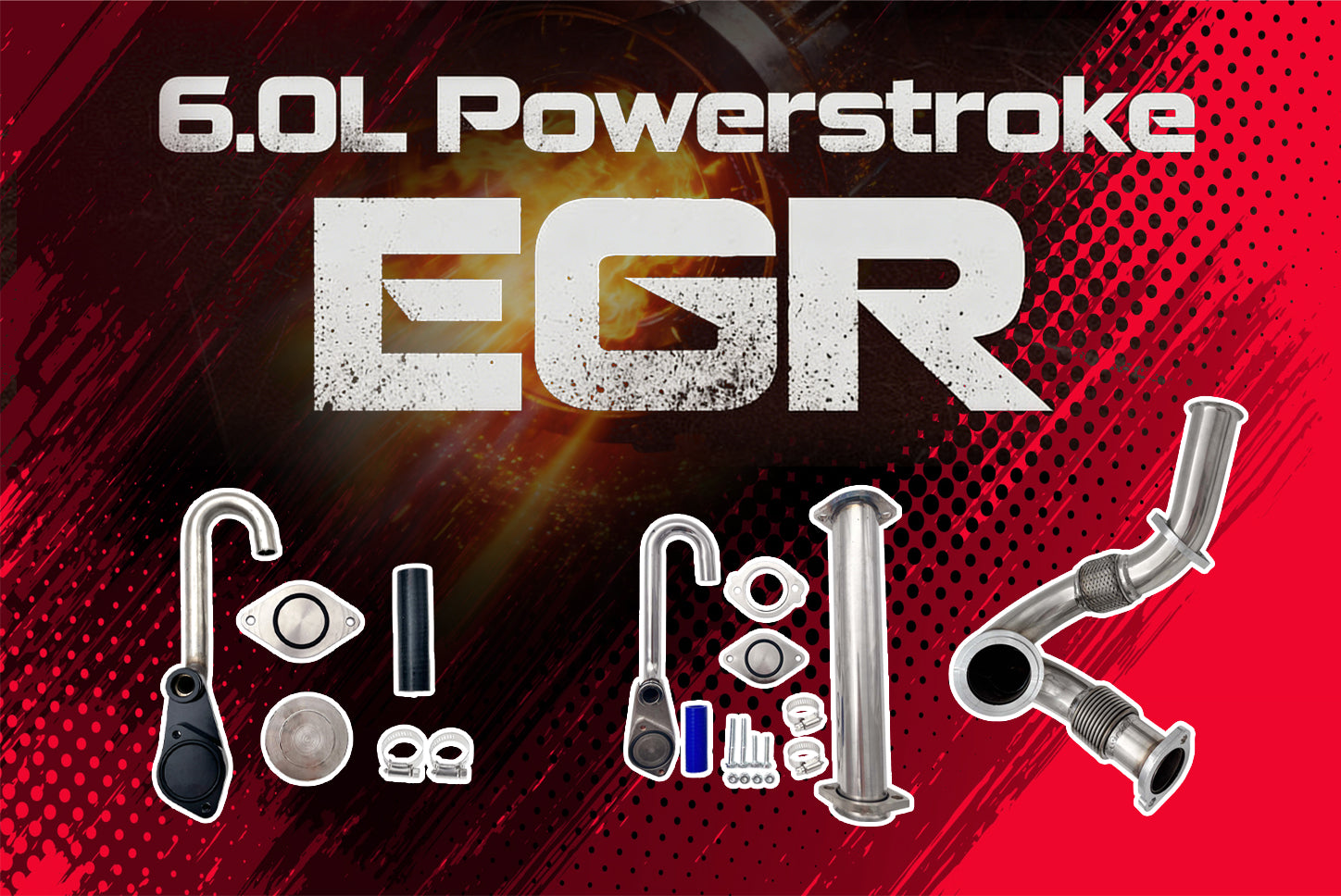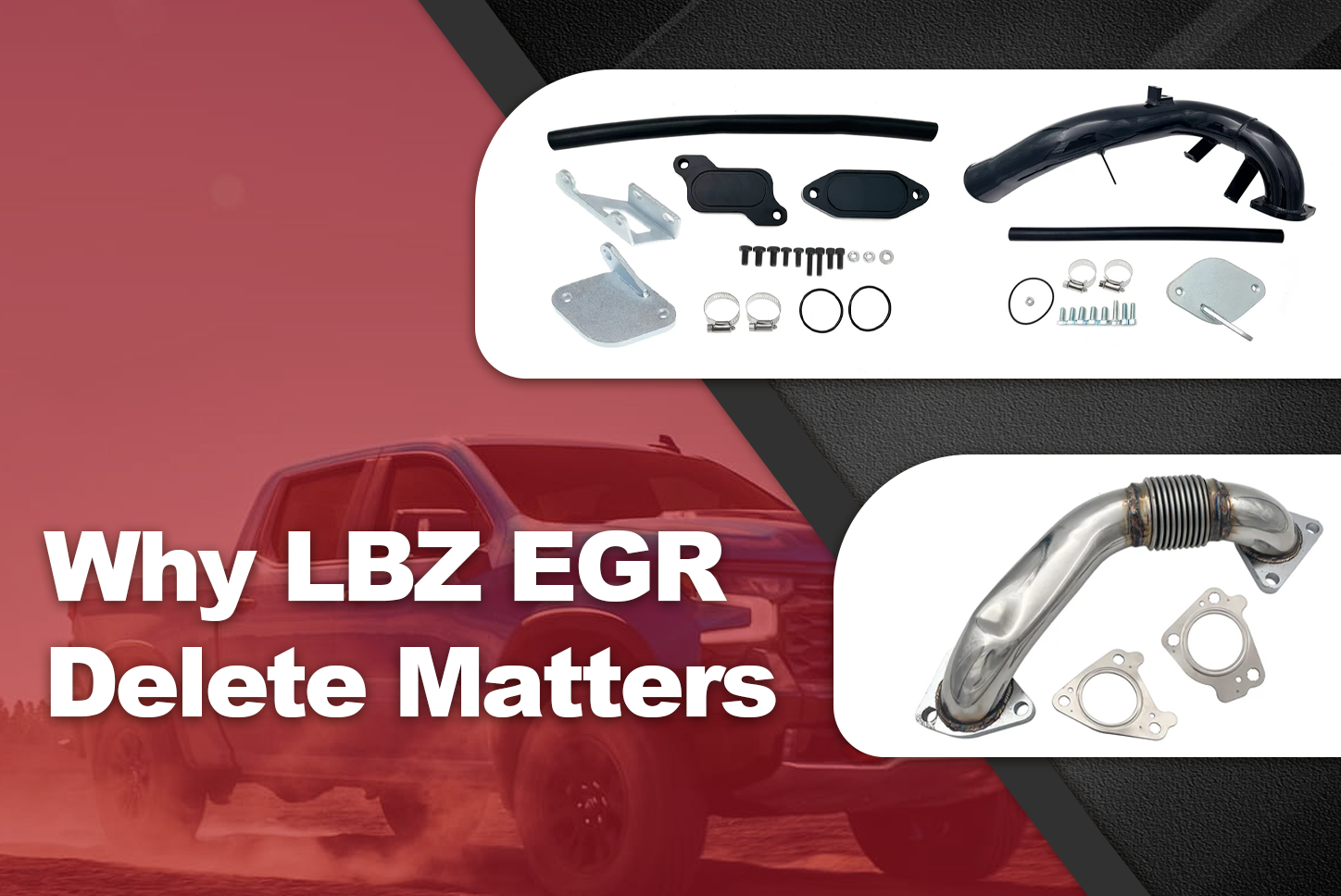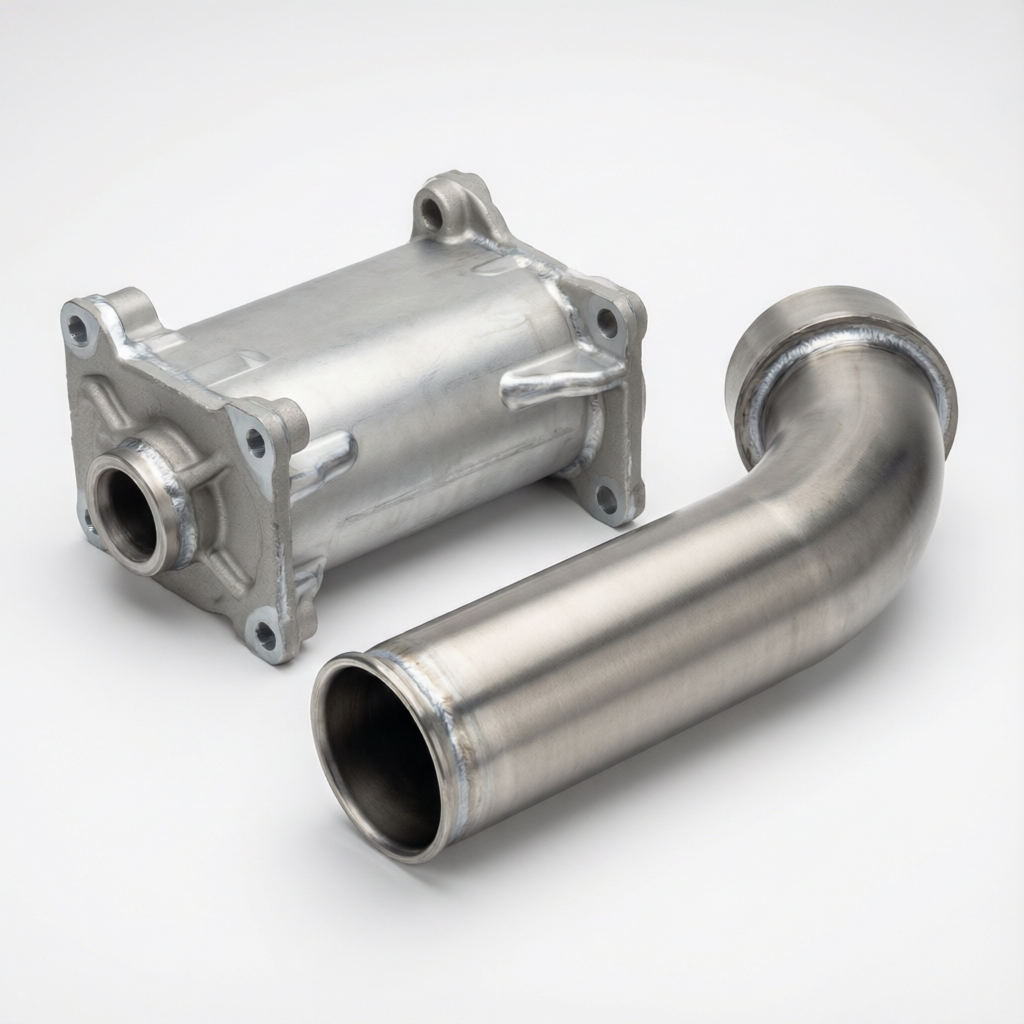
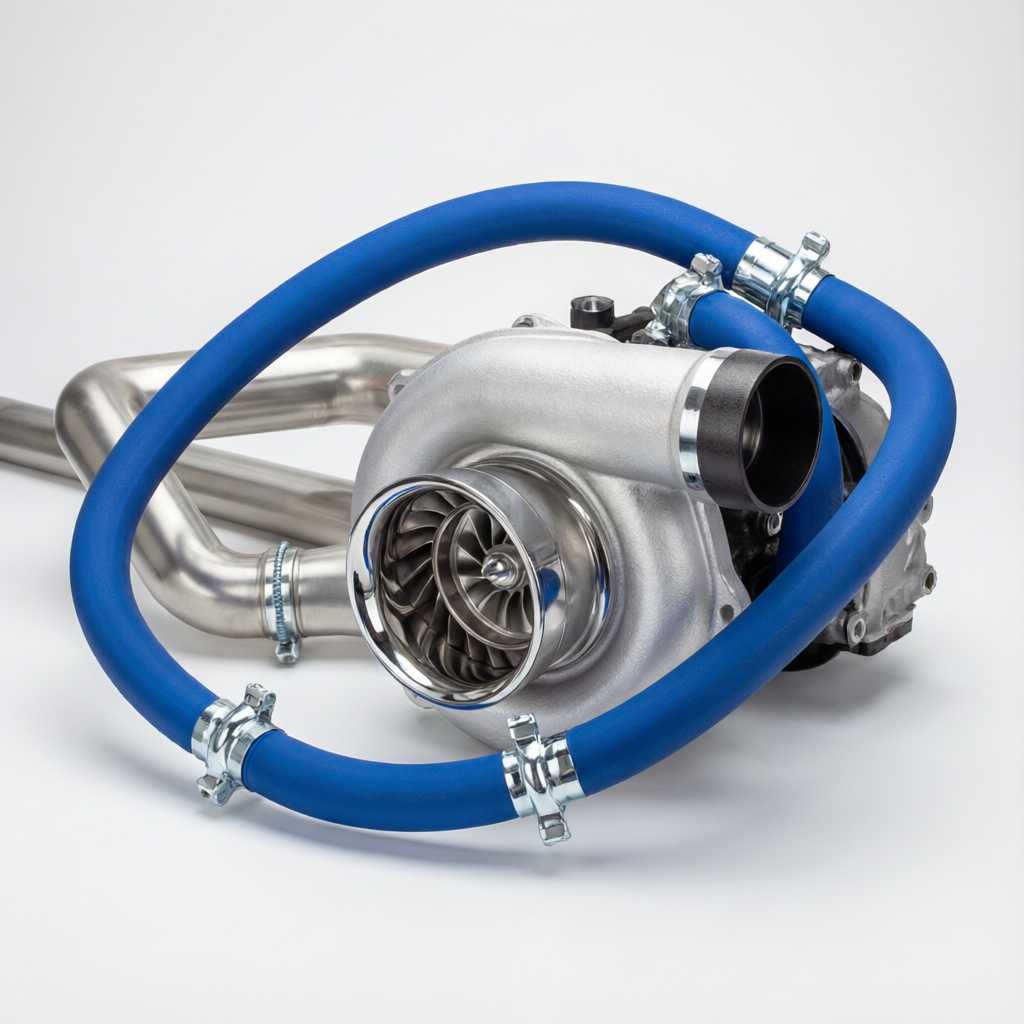
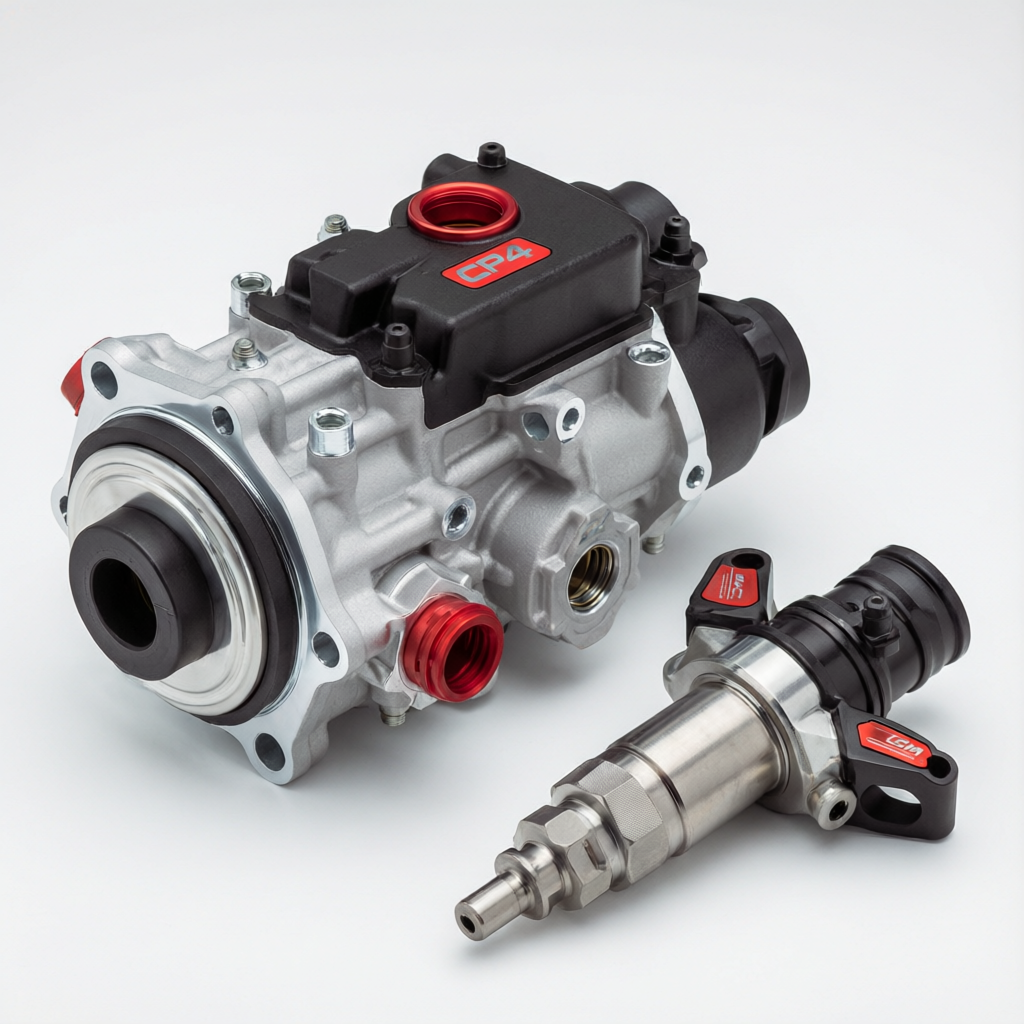
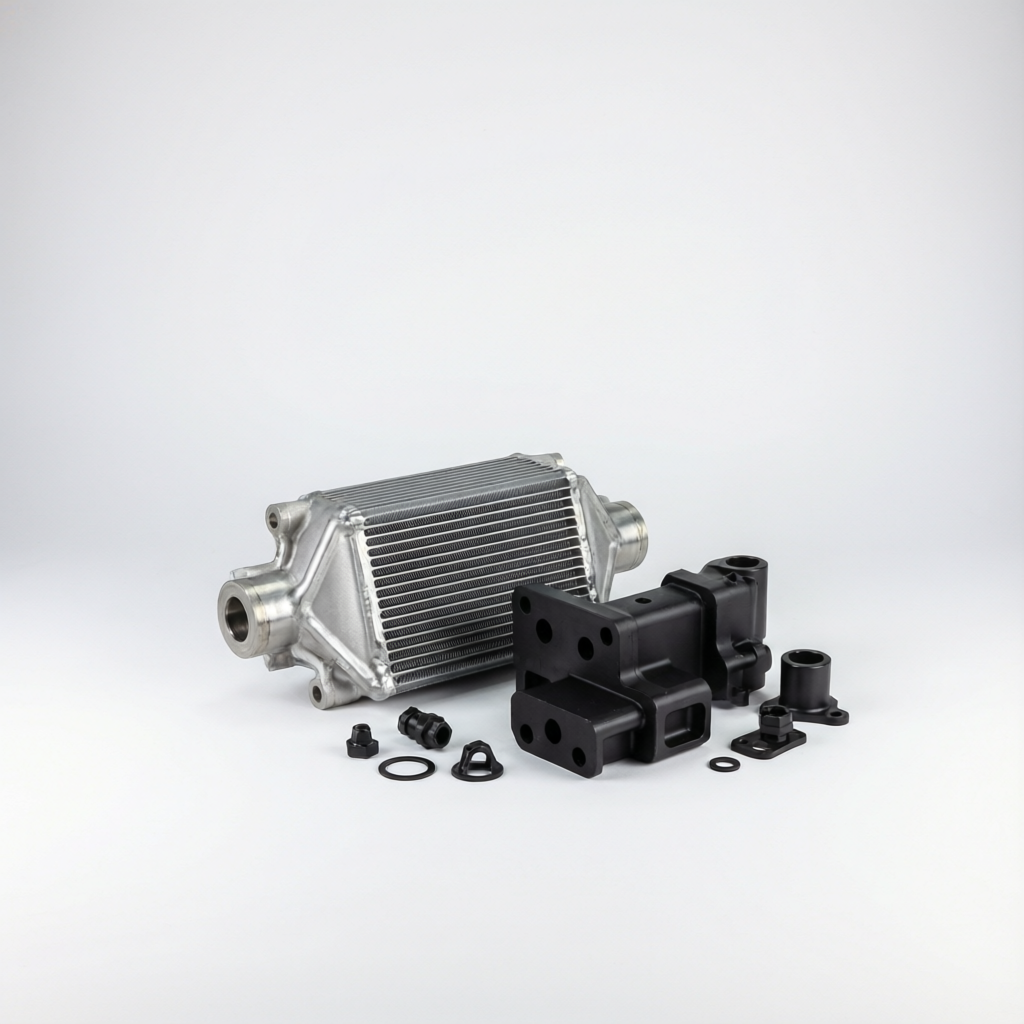

The Exhaust Gas Recirculation (EGR) system is a key component of modern diesel engines, operating on a straightforward principle: it redirects a portion of exhaust gases back into the engine’s intake, lowering combustion temperatures and significantly reducing the formation of nitrogen oxides (NOx). This helps vehicles comply with increasingly strict emissions regulations. However, in real-world operation, this emissions control system presents certain challenges. Over time, carbon particles from the exhaust accumulate within the EGR valve, cooler, and intake system, leading to reduced engine efficiency, decreased fuel economy, and a noticeable loss of power. As a result, many owners of 6.7L Cummins engines are considering EGR delete kits as a modification.
Why Consider Removing the EGR System?
Design Intent vs. Real-World Challenges
The EGR system is designed to reduce NOx emissions by lowering combustion temperatures. While effective for emissions control, it brings unintended side effects: increased carbon deposits in the intake system, slower throttle response under certain driving conditions, and potential failure points such as the EGR valve and cooler.
Benefits of EGR Deletion
Unlocking Performance
When the EGR system is no longer recirculating exhaust gases, the engine can draw in more fresh, oxygen-rich air, allowing for more complete and efficient combustion. The most noticeable results are sharper throttle response and smoother acceleration.
Lower Maintenance Costs
The EGR system is one of the most failure-prone components on modern diesel engines. Common issues—such as clogged or leaking EGR coolers and stuck EGR valves—often lead to costly repairs. Removing the system eliminates these failure points at the source.
Improved Fuel Economy
Greater combustion efficiency typically translates to reduced fuel consumption. Without the EGR system restricting intake flow and introducing inert gases, the engine operates more efficiently. Many owners report noticeable fuel economy improvements, particularly during long-haul highway driving or when towing heavy loads.
Three Approaches to Managing EGR Issues
Service and Maintenance
This approach is best for minor issues or preventative care. It includes regular cleaning using specialized additives, using low-ash engine oil, and replacing faulty EGR valves or coolers as needed.
Temporary Bypass
This method involves disabling the EGR system through software or installing a simple bypass device. However, the physical hardware—including any damaged or clogged components—remains in place, meaning the underlying mechanical issues are not resolved.
Full Removal
This option involves physically removing the faulty components to create a clean, unrestricted foundation for the engine’s intake and exhaust systems. The primary goals are to restore original airflow efficiency and permanently eliminate EGR-related failure points.
Why a Complete Replacement Kit Matters
Why Not Just Use Block-Off Plates?
-
Improper blocking can interfere with exhaust gas routing, leading to abnormal turbo backpressure and sluggish response.
-
Non-precision block-off plates and low-quality gaskets may not withstand repeated thermal cycling and vibration, increasing the risk of exhaust leaks.
-
Simply sealing one port does not account for overall engine bay layout, piping support, or thermal expansion, which can result in interference, noise, or component loosening.
Value of a Professional Replacement Kit
-
Permanently resolves failures caused by carbon buildup, blockages, leaks, and valve sticking.
-
Includes all necessary, precisely fitted hardware to ensure a consistent seal across all connection points under all operating conditions, preventing exhaust leaks.
-
Allows the engine to breathe as originally designed, often resolving common issues such as throttle lag and power loss.
EGR Delete Kit Options
EGR Delete Kit | 2009-2024 Dodge Ram Cummins 6.7L
This EGR upgrade kit is designed for owners whose primary focus is addressing EGR system issues directly and cost-effectively, without necessarily pursuing peak horsepower gains. It provides a clean, permanent solution.

Material & Design:
Constructed from high-quality aluminum alloy with precision-molded silicone seals, this kit is engineered for a direct, hassle-free replacement of factory EGR components. All hardware is included, ensuring a straightforward installation without the need for custom fabrication.
Key Features:
The kit replaces the EGR cooler and throttle valve assembly with robust block-off plates and a coolant bypass setup. By redirecting coolant flow away from the deleted cooler, it maintains proper engine cooling circuit function while eliminating potential leak points.
Problems Addressed:
- Permanently eliminates carbon buildup and EGR valve sticking.
- Reduces thermal load on the engine cooling system, helping maintain stable coolant temperatures—particularly beneficial when towing or operating under heavy load.
- Prevents hot, oxygen-depleted exhaust gases from re-entering the intake manifold, allowing for improved combustion quality, cleaner intake valves, and noticeably sharper throttle response.
5" DPF | EGR Delete | 2013-2018 Ram Cummins 6.7L
For owners seeking to go beyond simple EGR repair, this comprehensive kit delivers a complete intake-to-exhaust transformation. By addressing both EGR and DPF restrictions simultaneously, it unlocks significant performance gains while providing a more aggressive exhaust note and enhanced driving experience.

Material & Design:
This system includes a full 5‑inch mandrel-bent stainless steel exhaust that replaces the restrictive factory DPF and muffler assembly. The exhaust components are TIG-welded for durability. The EGR delete portion includes CNC-machined block-off plates and a coolant bypass kit, all engineered to integrate seamlessly with the upgraded exhaust system.
Key Features:
The 5‑inch exhaust is designed to dramatically reduce exhaust backpressure, allowing the turbocharger to spool more quickly and efficiently. This reduction in backpressure also lowers exhaust gas temperatures (EGTs), contributing to improved engine longevity under sustained heavy loads.
Problems Addressed:
- Eliminates both EGR and DPF system restrictions, removing the primary bottlenecks in the 6.7L Cummins intake and exhaust systems.
- Significant reduction in exhaust backpressure accelerates turbo response, reduces turbo lag, and unlocks substantial gains in both horsepower and torque across the RPM range.
- Removal of the DPF eliminates the risk of filter clogging, passive and active regeneration cycles, and associated fuel economy penalties during regeneration events.
- Improved combustion efficiency often translates to better real-world fuel economy, particularly during highway driving and towing applications.
Installation Overview for EGR Upgrade Kits
Preparation
- Disconnect the battery.
- Gather necessary tools and a container to collect coolant.
Removal
- Remove intake piping to provide access.
- Disconnect EGR coolant lines, taking care to manage coolant spillage.
- Remove the EGR valve and cooler in sequence, avoiding damage to nearby sensors.
Installation
- Install the supplied block-off plates or plugs, torquing to specifications to prevent distortion.
- Reconfigure the coolant circuit using the supplied bypass fittings or hoses, and secure all connections.
Testing
- Reinstall all intake components and verify that connections are secure.
- Start the engine and check for leaks or abnormal temperature readings.
- Perform a short road test under load to confirm stable system operation.
Drawbacks That Cannot Be Overlooked
Environmental Responsibility
Removing the EGR system results in a significant increase in NOx emissions. NOx is a major contributor to smog and acid rain, with direct implications for air quality and public health. Owners considering this modification should carefully weigh its environmental impact and consider whether the performance benefits justify the increase in emissions.
Legal and Compliance Risks
In many U.S. states, particularly those adopting California Air Resources Board (CARB) standards, removing the EGR system is illegal. In more severe cases, owners may face fines from environmental regulatory agencies. Selling a vehicle with an EGR delete can also be difficult in states with strict emissions enforcement.
Warranty Implications
Removing the EGR system will almost certainly void the powertrain warranty on any vehicle still covered by the factory warranty. If the engine experiences a failure later on, the owner is responsible for the full cost of repairs. Some dealers may flag the vehicle’s VIN, affecting future trade-in or resale value, and extended warranties or service contracts will also be invalidated.
Conclusion
Based on this analysis of the 6.7L Cummins EGR system, a clear conclusion emerges: EGR deletion is not a universal upgrade but a significant modification intended either to permanently eliminate recurring hardware failures or to maximize engine performance. Both outcomes require a full understanding of the associated legal and environmental consequences. If these priorities align with your specific goals, a properly designed and professionally installed EGR delete kit can be an effective way to restore intake efficiency and ensure long-term reliability. At www.ifjf.com, we offer rigorously validated hardware solutions and comprehensive installation guidance, committed to providing professional, transparent, and reliable technical support.
FAQs About 6.7L Cummins EGR Delete Kit
Q1: How long does the installation typically take?
A1: It depends on experience and kit complexity. A basic delete may take a few hours for a skilled technician, while more comprehensive kits require additional time. Detailed instructions help streamline the process.
Q2: Can the EGR delete be reversed if I change my mind later?
A2: Yes. Reversal involves reinstalling factory EGR components and having the ECU reflashed to stock calibration. Consult a professional beforehand if reversibility is a concern.
Q3: What should I look for in an EGR delete kit for my 6.7L Cummins?
A3: When evaluating EGR delete kits, material quality and design integrity should be top priorities. High-quality kits are typically constructed from stainless steel or aluminum alloy and include a complete coolant bypass solution to maintain proper engine cooling function. They should also align with factory mounting points and integrate smoothly with common aftermarket modifications.
Q4: Can an EGR delete kit reduce engine wear?
A4: Yes. By eliminating exhaust gas recirculation, it prevents carbon buildup in the intake system, reducing wear on internal components and supporting long-term reliability.
Q5: How long will a 6.7L Cummins last after an EGR delete?
A5: With proper tuning and responsible driving, it can match the lifespan of a stock engine. Driving habits and regular maintenance are key—aggressive use or poor tuning can shorten engine life.