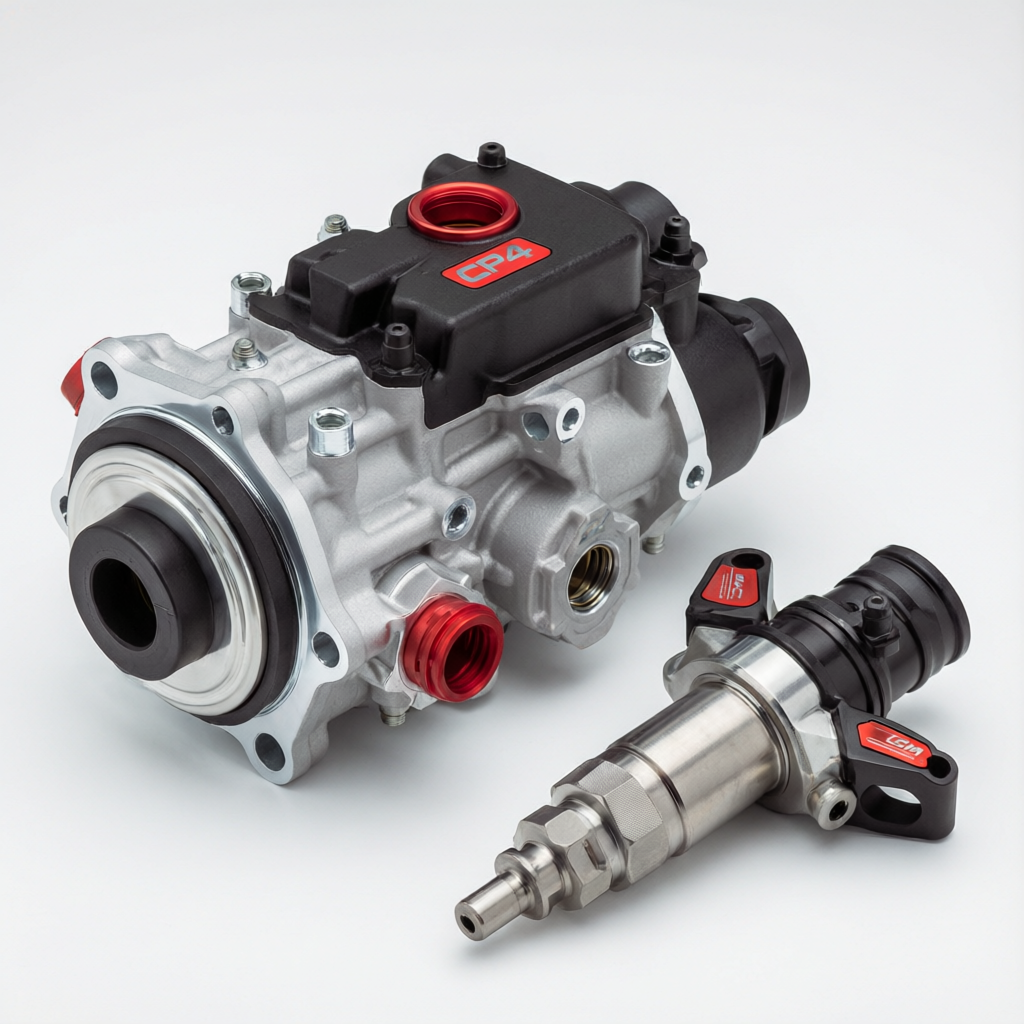
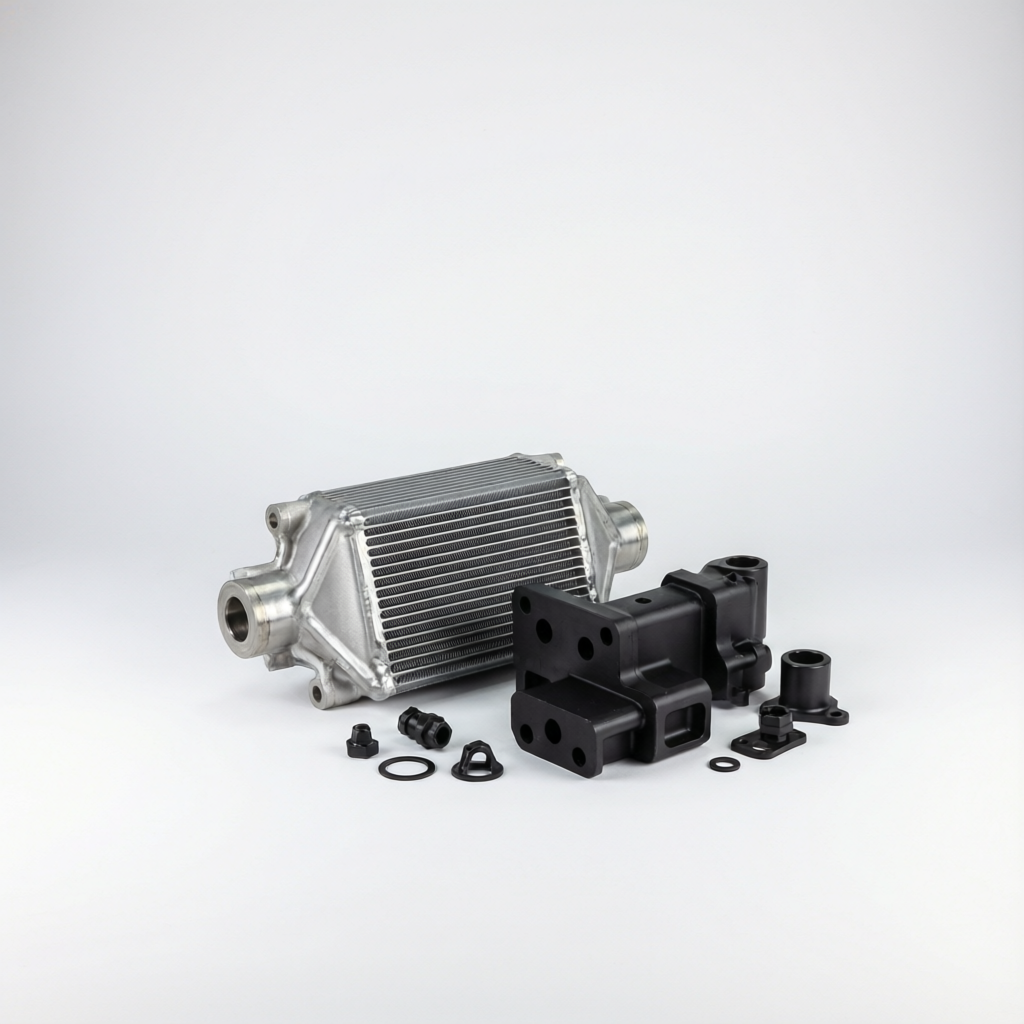

The 6.7L Cummins’ CCV (Crankcase Ventilation) system takes the oily mist, blow-by gases, and moisture that build up inside the crankcase during combustion, runs them through a filter on top of the valve cover, then routes them straight into the turbocharger inlet. The idea is emissions compliance — burn the vapors instead of venting them. The consequence is a turbo, intercooler, and intake tract that gradually coat themselves in a layer of oil film.
A CCV delete or reroute is the fix. But it comes with its own trade-offs — smells, drips, legal risks, and a cold-weather freeze hazard that has blown rear main seals on more than one winter-driven truck. This guide breaks down whether it’s worth it for your truck.
What the CCV System Does — Why Cummins Owners Hate It
Why Is The CCV Necessary
The 6.7L Cummins’ CCV system is housed in an oversized plastic assembly on top of the valve cover. Inside is a rectangular filter element that captures a portion of the oil mist before the remaining vapors are piped down to the turbo inlet via a black hose that runs along the driver side of the engine. The system is a closed loop by law — the EPA requires it.
The CCV Filter Is A Consumable
The factory service interval is 67,500 miles, though many owners replace it at 50,000. When it clogs — and it will — the dashboard displays a “Perform Service” message. Ignore it, and crankcase pressure builds. High pressure finds the weakest exit points: rear main seal, front crank seal, oil pan gasket, dipstick tube.
But even a fresh filter doesn’t solve the core problem:
Oil mist still enters the intake. The CCV filter is a coalescing media — it catches some oil, not all. Whatever gets through lands on the turbo compressor blades, the intercooler core, the intercooler boots, the grid heater, and the intake valves. The film builds over thousands of miles.
If your truck still has the EGR system active, that oil film mixes with recirculated exhaust soot to create the black sludge that coats every internal intake surface. This is the mechanism that reduces intercooler efficiency, sticks VGT vanes, fouls the grid heater, and eventually chokes the engine’s ability to breathe.
Video evidence: Pull the intake elbow off a stock 6.7 Cummins with 80,000+ miles. Look into the turbo inlet. You’ll see a shiny, wet coating of oil film — sometimes pooling at the bottom of the compressor housing. That oil came from your crankcase, through the CCV hose, and it’s been hitting your compressor wheel at 100,000+ RPM.
The Three Options — Stock, Reroute, or Delete
When it comes to dealing with the CCV system, 6.7 Cummins owners have three paths. None is perfect.
Option A: Stock (Replace the Filter)
The most conservative choice. Replace the CCV filter on schedule — every 50,000 to 67,500 miles — and accept that some oil will always enter the intake. The truck stays emissions-compliant, the warranty isn’t affected, and you’ll pass visual inspection in any state.
Cost: ~$70-80 (Mopar) or ~$25-40 (aftermarket) every 50,000-67,500 miles.
Who it’s for: Owners still under warranty, in emissions-testing states, or with no interest in modifying the engine. Daily drivers that tow occasionally will run hundreds of thousands of miles this way.
The downside: The intake still gets oil in it. The filter is a recurring expense. The “Perform Service” light still arrives on schedule.
Option B: CCV Reroute (VTA with Optional Catch Can)
A reroute changes where the vapors go. Instead of routing crankcase gases to the turbo inlet, the factory hose is disconnected, the turbo inlet port is plugged, and the CCV housing vents through a small breather filter mounted directly on the valve cover — or through a hose routed down the frame rail, sometimes into a catch can.
This is the “Vent to Atmosphere” (VTA) approach.
What you get: Zero oil enters the turbo. The intake stays dry. No more oil-soaked intercooler boots. The turbo compressor wheel stays clean.
What you trade: The oil vapor that used to be burned through the engine now vents under the truck — or through a breather filter on top of the valve cover. You will smell it at stoplights. Oil mist will condense in the vent tube and drip onto your driveway. If you use a catch can, it needs to be drained every oil change.
Cost: $20-50 for a basic VTA kit (elbow, breather filter, turbo inlet plug, hose clamps). $100-200 for a catch can setup.
Who it’s for: Owners who want a cleaner intake but don’t want to gut the factory CCV filter. Works well with the stock filter still in place — the filter catches some oil before it reaches the vent, keeping the breather cleaner and reducing the oil smell.
Option C: Full CCV Delete (Gut the Filter + Bypass Plate)
The full CCV delete kit is the most aggressive approach. The internal filter element is removed (“gutted”), and a billet aluminum bypass plate is bolted to the valve cover in place of the factory CCV housing. The vent path is completely unrestricted. A hose routes the vapors down to the frame rail or to atmosphere. The turbo inlet is plugged.

Cost: $30-150 for a full delete kit (bypass plate, plug, hose, clamps, breather).
Who it’s for: Off-road trucks, competition builds, high-horsepower tuned engines with elevated blow-by. Trucks where maximum reliability and zero intake contamination matter more than driveway stains or diesel smells.
The Pros — Why a CCV Delete or Reroute Makes Sense
If you strip away the forum hype and look at the mechanical reality, there are four genuine benefits:

1. Turbocharger Protection
Oil droplets hitting compressor blades at terminal velocity erode the aluminum over tens of thousands of miles. The blade edges lose their aerodynamic profile. Boost response softens. Peak boost drops. On a stock truck this happens slowly — maybe imperceptible over 200,000 miles. On a tuned truck running higher boost, the erosion accelerates because there’s more oil moving through the system and the turbo is working harder.
A CCV reroute or delete removes the oil supply entirely. The turbo only sees clean, filtered air from the intake.
2. Intercooler Efficiency
The 6.7 Cummins’ intercooler has one job: cool the compressed intake charge before it enters the engine. Oil film on the internal fins acts as an insulator — it reduces heat transfer efficiency. The intercooler still works, but it works less well. Over time, the oil also softens and swells the silicone intercooler boots, which eventually crack and leak boost pressure.
3. Intake Tract Cleanliness
The grid heater, intake manifold, and intake valves stay dry. No oil film. No sludge. On trucks with deleted EGR systems, the intake stays clean enough to eat off. On trucks that still run EGR, dry soot is far less problematic than the oil-soot combination — it doesn’t stick and doesn’t build up the same way.
4. No More “Perform Service” Messages
A CCV delete eliminates the filter entirely. No filter means no clogged filter, which means no dashboard alerts. This is a minor benefit compared to turbo protection, but owners who do their own maintenance appreciate one fewer scheduled item to track.
What a CCV delete does NOT do: Multiple sources — the blog articles, forum consensus, and video builders — agree that CCV modifications are about cleanliness and longevity, not performance. Any power gain is too small to register on a dyno. The Cons — The Real Trade-Offs Nobody Talks About on Instagram
The before-and-after photos of shiny clean intakes don’t show what the truck smells like at a red light. Here’s the full picture:
1. Oil Smells and Vapors
The most common complaint from owners who do a full VTA setup. Crankcase vapors contain unburned hydrocarbons, partially combusted fuel, and atomized oil. They smell like a diesel shop floor. You’ll notice it at stoplights, in drive-throughs, and when idling in traffic — especially if the wind is blowing toward the cab.
A catch can reduces the smell significantly by condensing and trapping the oil mist. A breather filter mounted on the valve cover concentrates the smell around the engine bay rather than under the truck, but it still finds its way into the cab when the HVAC is on fresh air mode.
2. Driveway Drips
Oil mist condenses inside the vent tube and drips onto the ground. Over a week of daily driving, you’ll have a small oil spot wherever you park. For owners with clean driveways or garage floors, this is genuinely annoying. A catch can eliminates the drips by containing the condensed oil — but you then have to drain the catch can.
3. The Cold-Weather Freeze Risk
This is the one that blows engines. In sub-freezing temperatures, water vapor in the crankcase exhaust condenses inside the vent tube and freezes at the tube’s exit — the coldest point in the system. If ice completely blocks the vent, crankcase pressure spikes. Within minutes, that pressure can blow out the rear main seal, push the dipstick out of its tube, or force oil past the front crank seal.
The solution:
Route the vent tube with a constant downward slope, keep it as short as possible, insulate the exit if necessary, and inspect the tip regularly during winter. Catch cans need to be drained more frequently in cold weather because condensation volume increases.
4. Legal and Warranty Risks
This is an off-road modification. Tampering with the CCV system is an EPA violation under the federal Clean Air Act. The factory system is an emissions control device, not a convenience feature. In states with visual emissions inspections, a modified CCV system will fail if noticed. For trucks still under factory powertrain warranty, a CCV delete can — and has — resulted in denied warranty claims for engine-related failures.
5. Hose Routing Mistakes Can Destroy Your Engine
If the vent hose has a low spot (a “P-trap”), oil pools in the dip and eventually blocks flow. If the hose is too small — 3/4 inch or narrower on a high-blow-by engine — backpressure builds. If it kinks against the firewall or a suspension component, crankcase pressure spikes.
The Industry Standard
A 1-inch minimum internal diameter hose with a smooth, continuous downward slope to the exit. No dips. No kinks. No sharp bends. Zip-tie the hose every 12 inches to prevent sagging.
The CCV + EGR Connection — Why Combining Makes Sense
The relationship between CCV oil mist and EGR soot is the single most important concept in understanding why CCV deletes exist:
-
EGR soot alone is dry, fine, and particulate. It doesn’t stick to surfaces on its own. It flows through the intake with the air charge.
-
CCV oil mist alone coats surfaces but remains a thin, manageable film that collects dirt slowly.
-
Together, the oil mist acts as a binder. Soot particles stick to the oil. The mixture hardens over heat cycles into a thick, abrasive carbon paste that clogs intake passages, sticks VGT vanes, fouls the grid heater, and restricts airflow.
This is why deleting the EGR system but keeping the CCV stock only solves half the problem — the oil film keeps accumulating. And why deleting the CCV but keeping the EGR active is better than stock, but still leaves dry soot circulating through the intake.
CCV/EGR Delete Kit | 2013-2018 Ram Cummins 6.7L
If you’re ready to address both halves of the intake contamination problem at once, this combined kit covers the full solution. It includes the CCV delete hardware — bypass plate, breather filter, turbo inlet plug, and 90-degree ventilation hose — plus the EGR block-off plates, coolant reroute components, and mounting hardware needed to remove the EGR system entirely.

- Aluminum alloy and silicone construction — corrosion-resistant, built for under-hood heat cycles
- CCV side: Open breather kit converts the closed system to atmospheric vent, keeps oil off the turbo compressor
- EGR side: Block-off plates and coolant system modifications eliminate soot recirculation
- Combined effect: No oil in the intake + no soot in the intake = no sludge formation at all
If you’re doing one delete, the EGR delete delivers more immediate power and fuel economy improvement. But the CCV delete is the mod that keeps everything downstream of the turbo clean for the next 200,000 miles. They complement each other.
Installation — What a CCV Delete Actually Takes
The job is genuinely simple. Multiple video walkthroughs clock it at 5 to 15 minutes for the basic reroute, and 2 to 3 hours for a full filter-gut-and-bypass-plate install. Here’s the standard process:
Tools needed: 8mm and 10mm sockets, flathead screwdriver, razor blade, needle-nose pliers, zip ties
The basic VTA reroute (15-minute version):
- Remove the plastic engine cover.
- Locate the black CCV hose running from the top of the valve cover to the turbo inlet. Disconnect the hose clamp at the CCV housing.
- Follow the hose down to the turbo inlet. Disconnect it there — the factory clip on the turbo side is often a one-time-use clamp that needs to be cut or pried off.
- Remove the entire hose assembly from the engine bay.
- Install the turbo inlet plug: insert it into the open port on the intake elbow or turbo inlet, tighten the hose clamp. This seals the intake so unfiltered air doesn’t bypass the air filter.
- Install the breather filter: insert the 90-degree elbow into the CCV housing port (the same port the factory hose just came out of), clamp the breather filter onto the elbow, tighten the clamps.
- Done. Start the engine, verify no check engine light.
The full delete (2-3 hour version):
- Same hose removal and turbo plugging as above.
- Remove the bolts securing the CCV housing to the valve cover (8mm or 10mm).
- Either gut the factory filter by removing the internal element from the housing, or replace the entire assembly with a billet bypass plate.
- If gutting: open the plastic housing, pull out the filter media, reassemble and reinstall.
- If using a bypass plate: bolt the plate directly to the valve cover with the supplied gasket or O-ring. Torque evenly to prevent leaks.
- Install the vent elbow and hose on the bypass plate. Route the hose downward along the engine/transmission with a continuous slope. Secure with zip ties every 12 inches.

About the check engine light: On a stock truck with factory tuning, a CCV delete may trigger a check engine light or “Perform Service” message related to the crankcase pressure sensor. This is not guaranteed — some trucks don’t care, others do immediately. If you have a custom tuner (EZ Lynk, EFILive), ask them to disable the CCV sensor in your tune. On a truck that’s already deleted and tuned, the sensor is typically already turned off.
Catch Can vs. Open Vent — Which One?
The choice between a simple breather-filter VTA and a catch can setup comes down to how much mess you’re willing to tolerate:
| VTA (Open Vent) | Catch Can | |
|---|---|---|
| Cost | $20–$50 | $100–$200 |
| Intake Cleanliness | Excellent | Excellent |
| Oil Smell | Noticeable at idle | Reduced |
| Driveway Drips | Yes | None (if drained) |
| Maintenance | Hose inspection only | Drain every 5,000 miles |
| Cold Weather Risk | Higher (open tube exit) | Medium (condensation in can) |
The VTA setup is the “set it and forget it” option — but you accept the smell and the drips. The catch can is the “adult” option — cleaner, less smelly, more environmentally responsible — but it adds a maintenance task and a component that can freeze in winter if not drained.
Most daily-driven trucks running a reroute use a catch can. Most off-road or competition rigs go open vent because they’re not driven in traffic and the driveway drips don’t matter.
Common Mistakes That Destroy Engines
The CCV modification forums are littered with “I did a CCV delete and now my rear main seal is leaking” posts. These are the mistakes that cause them:
1. Hose too small. The factory CCV path has a large-diameter passage. If you neck it down to a 3/4" hose, especially on a high-mileage engine with significant blow-by, the restriction creates backpressure. Minimum 1-inch internal diameter.
2. P-trap in the hose. A dip or low point in the hose collects oil. Once enough oil accumulates, it blocks the vent. Crankcase pressure spikes. The dip can also freeze solid in winter, creating an instant blockage. Route with a constant downward slope only.
3. No turbo plug — or a loose one. An open or leaking turbo inlet port lets unfiltered air — with dust, sand, and debris — bypass the air filter entirely. This is turbocharger dusting, and it destroys compressor wheels. Tighten the plug. Check it every oil change.
4. Over-torquing the bypass plate bolts. Aluminum plate on an aluminum or plastic valve cover. Snug is enough. Warped plates, crushed gaskets, and stripped threads come from going too hard with the ratchet.
5. Gutting the filter but not sealing the housing. If you open the CCV housing to remove the filter media and don’t reseal it properly, oil will weep past the gasket and coat the top of the valve cover. Use a fresh gasket or RTV if the original is compromised.
Why IFJF? Parts for Diesel Owners Who Turn Their Own Wrenches
IFJF — ifjf.com — isn’t a generic auto parts aggregator. It’s built for the owner who understands the mechanical reality covered in this guide: factory systems are compromised by regulations, and the aftermarket exists to provide the hardware that fixes the compromises.
What you’ll find at IFJF:
-
CCV delete and reroute kits for 6.7L Cummins (2007.5-2018) — breather filters, turbo inlet plugs, bypass plates, silicone hoses, and complete hardware kits. Everything in one box.
-
EGR delete kits — block-off plates, coolant bypass fittings, intake elbows, and related hardware for Ram Cummins, Ford Powerstroke, and GM Duramax platforms. Combined CCV+EGR bundles for Ram Cummins owners who want to address both contamination sources in one job.
-
Complete diesel filter maintenance kits — oil, fuel, air, and cabin filter bundles across all major platforms. One-click, one-box, one garage session.
-
Exhaust systems, headers, and performance upgrades — the hardware that turns a deleted and properly maintained diesel into the truck the factory couldn’t build.
Every kit ships from US inventory. Every part is backed by real customer reviews from diesel owners who’ve already installed them. If you’re the kind of owner who reads a guide like this and then does the work yourself, you’re IFJF’s customer.
Conclusion
The 6.7 Cummins CCV system is a compromise between emissions compliance and engine health. The factory baked in a consumable filter, a maintenance schedule, and an unavoidable oil-contamination path — all because the alternative (venting to atmosphere) is illegal on road-going vehicles. Whether you live with that compromise or modify around it depends on your truck, your location, and your priorities.
-
Keep it stock if you’re under warranty, live in an emissions-testing state, or don’t want to deal with oil smells and driveway drips. Replace the CCV filter every 50,000-60,000 miles with a quality aftermarket unit and the truck will run fine.
-
Do a CCV reroute if you want a clean turbo and intercooler without the mess of a full delete. Keep the factory filter in place. Add a catch can if you want to minimize smells and drips. This is the sweet spot for most daily-driven trucks.
-
Go full CCV delete if your truck is off-road only, heavily modified, or you’re already deep into a delete-and-tune build and want zero intake contamination for the life of the engine.
IFJF — isn’t a generic auto parts aggregator. It’s built for the owner who understands the mechanical reality covered in this guide: factory systems are compromised by regulations, and the aftermarket exists to provide the hardware that fixes the compromises.
Why IFJF? Parts for Diesel Owners Who Turn Their Own Wrenches
IFJF — ifjf.com — isn’t a generic auto parts aggregator. It’s built for the owner who understands the mechanical reality covered in this guide: factory systems are compromised by regulations, and the aftermarket exists to provide the hardware that fixes the compromises.
What you’ll find at IFJF:
-
CCV delete and reroute kits for 6.7L Cummins (2007.5-2018) — breather filters, turbo inlet plugs, bypass plates, silicone hoses, and complete hardware kits. Everything in one box.
-
EGR delete kits — block-off plates, coolant bypass fittings, intake elbows, and related hardware for Ram Cummins, Ford Powerstroke, and GM Duramax platforms. Combined CCV+EGR bundles for Ram Cummins owners who want to address both contamination sources in one job.
-
Complete diesel filter maintenance kits — oil, fuel, air, and cabin filter bundles across all major platforms. One-click, one-box, one garage session.
-
Exhaust systems, headers, and performance upgrades — the hardware that turns a deleted and properly maintained diesel into the truck the factory couldn’t build.
Frequently Asked Questions
Q1: What does a CCV delete actually do?
It stops crankcase oil vapors from being routed into the turbocharger inlet. Instead of the closed-loop factory design (crankcase → CCV filter → turbo inlet → burned in cylinders), the vapors are vented to atmosphere through a breather filter or routed through a hose to a catch can. The turbo inlet port is plugged so only filtered air enters the intake.
Q2: Will a CCV delete increase horsepower or fuel economy?
No. This is unanimously confirmed across every source — blogs, forums, and video builders. The improvement is in intake cleanliness and component longevity, not measurable power or fuel savings. Expect zero change on a dyno and zero change at the pump.
Q3: Will I get a check engine light after a CCV delete?
Possibly. Stock trucks with factory tuning may trigger a P1507 code (crankcase filter pressure restricted) or a “Perform Service” message. Trucks that are deleted and custom-tuned typically have the CCV sensor disabled. If you have a tuner, ask them to turn off the CCV-related monitors.
Q4: Is a CCV delete or a CCV reroute better?
A reroute — keeping the stock filter in place and simply venting the output to atmosphere instead of the turbo — is cleaner and less prone to oil seepage than a full filter-gut delete. The factory filter continues to trap some oil mist before the vapors reach the breather. Multiple video builders tested both and independently concluded that keeping a fresh filter in the housing is better than gutting it.
Q5: Can I do a CCV reroute without changing the CCV filter?
You can, but if the existing filter is clogged or near its service interval, you’ll still get crankcase pressure buildup — plus the “Perform Service” message. Replace the filter when you do the reroute, especially if you don’t know when it was last changed.
Q6: Is a catch can necessary with a CCV reroute?
Necessary, no. Strongly recommended if you park on a clean driveway, don’t want oil smells in the cab, or drive in stop-and-go traffic, yes. The catch can collects the condensed oil mist that would otherwise drip on the ground and keeps the undercarriage cleaner.
Q7: How often should I drain a catch can?
Every oil change (5,000 miles) under normal conditions. Double the frequency in winter — cold weather increases condensation volume, and a full catch can that freezes is the same blockage risk as an iced-over vent tube.
Q8: How does the CCV system interact with EGR?
They form a sludge team. EGR soot is dry and non-sticky on its own. CCV oil mist is the binder that turns dry soot into carbon paste. Delete both and the intake stays dry. Delete only the EGR and oil still coats the intake. Delete only the CCV and dry soot still circulates. The combination delete is the complete solution.
Q9: Is a CCV delete legal for street use?
No. Under the federal Clean Air Act, modifying or removing any part of the crankcase ventilation system — which is classified as an emissions control device — is a violation. These products are sold for off-road, competition, and export use only. Know your local regulations before installing.
Q10: Can the vent hose freeze in winter?
Yes. This is the most serious CCV delete failure mode. If moisture in the crankcase vapor condenses and freezes at the vent tube exit, the blockage can spike crankcase pressure enough to blow the rear main seal, push out the dipstick, or damage gaskets.