
When that amber warning illuminates your dashboard again, or your truck feels increasingly sluggish under load, you've likely encountered the conflicting opinions dominating online discussions about the EGR system. One camp portrays it as an engine's worst enemy, while another warns that tampering with emissions equipment invites serious consequences. Between these extremes lies practical reality—and that's where informed vehicle owners need to base their decisions.
This analysis provides a structured framework for understanding your options, enabling you to reach your own conclusion based on technical facts and your specific circumstances—not internet hyperbole.
Understanding the EGR System
Original Design Intent
The Exhaust Gas Recirculation system serves a specific engineering purpose: redirecting a portion of exhaust gases back into the intake manifold lowers peak combustion temperatures, which substantially reduces nitrogen oxide (NOx) formation—a key emissions target for diesel engines.
Known Operational Consequences
Primary Issue: The recirculated exhaust contains soot particles that accumulate within the intake manifold, on valve surfaces, and inside the EGR cooler itself. These deposits progressively restrict airflow and heat transfer.
Secondary Effects: Reduced intake efficiency leads to incomplete combustion, which can manifest as:
- Gradual power loss during normal operation
- Increased fuel consumption over time
- Potential coolant intrusion into cylinders in advanced cases, creating hydro-lock risk
What an EGR Delete Actually Accomplishes
A properly executed LML EGR delete achieves two specific modifications:
Physical Blockage: Installation of block-off plates prevents exhaust gases from re-entering the intake stream.
Electronic Calibration: Modified engine tuning disables sensor monitoring and suppresses related diagnostic trouble codes, allowing the ECU to operate without expecting EGR function.
Resulting Operational Changes
The engine operates with:
- Clean intake air only
- Combustion temperatures returning to baseline design parameters
- Elimination of soot accumulation within the induction system
Important Clarifications
Pre-existing Damage Remains: A delete kit addresses future accumulation—it cannot reverse existing damage from coolant leaks, failed coolers, or compromised components. These must be repaired separately.
Performance Expectations: Power and efficiency improvements typically reflect restoration of original performance rather than substantial gains beyond factory specifications. The primary benefit is eliminating a known failure point.
Regulatory and Practical Considerations
Legal Status by Jurisdiction
Compliance requirements vary significantly by location:
Visual Inspection Jurisdictions: Areas with comprehensive emissions testing (particularly California and states following CARB standards) typically fail vehicles with visible EGR modifications, regardless of tailpipe measurements.
Emissions-Only Testing: Some regions test only exhaust output, potentially allowing modified vehicles to pass if they meet numerical standards.
Enforcement Trends: Owners should research current local requirements and consider whether future regulatory changes might affect vehicle legality.
Long-Term Implications
Inspection Uncertainty: Even jurisdictions with current leniency may adopt stricter protocols, potentially affecting future compliance.
Resale Considerations: Documented emissions modifications can complicate private sales, as prospective buyers may have concerns about legality or long-term reliability.
Insurance Factors: Modified emissions systems represent a vehicle alteration that insurers may consider when evaluating claims, particularly if modification contributes to an incident.
Evaluating Whether EGR Delete Fits Your Situation
The decision to pursue EGR deletion becomes most justifiable under specific circumstances:
Scenario A: Recurring System Failure
Indicators: Repeated EGR-related fault codes return shortly after cleaning or component replacement. The system demonstrates progressive, irreversible degradation.
Rationale: When repair costs accumulate without achieving reliable operation, permanent elimination may represent the more economical long-term solution.
Scenario B: Critical Reliability Requirements
Application Context: Vehicles used for income generation—heavy towing, extended idling periods, operation in demanding environments where downtime carries direct financial consequences.
Rationale: Eliminating known failure points becomes a business continuity decision when roadside failures affect livelihood.
Scenario C: Long-Term Ownership Commitment
Prerequisite: Clear assessment of inspection requirements, insurance implications, and potential resale challenges.
Rationale: Owners planning decade-plus retention may view delete as preventive investment—exchanging predictable one-time cost for freedom from future EGR-related expenses.
Component Selection Criteria
If your evaluation supports proceeding with EGR deletion, component quality directly affects long-term results:
Material Specifications
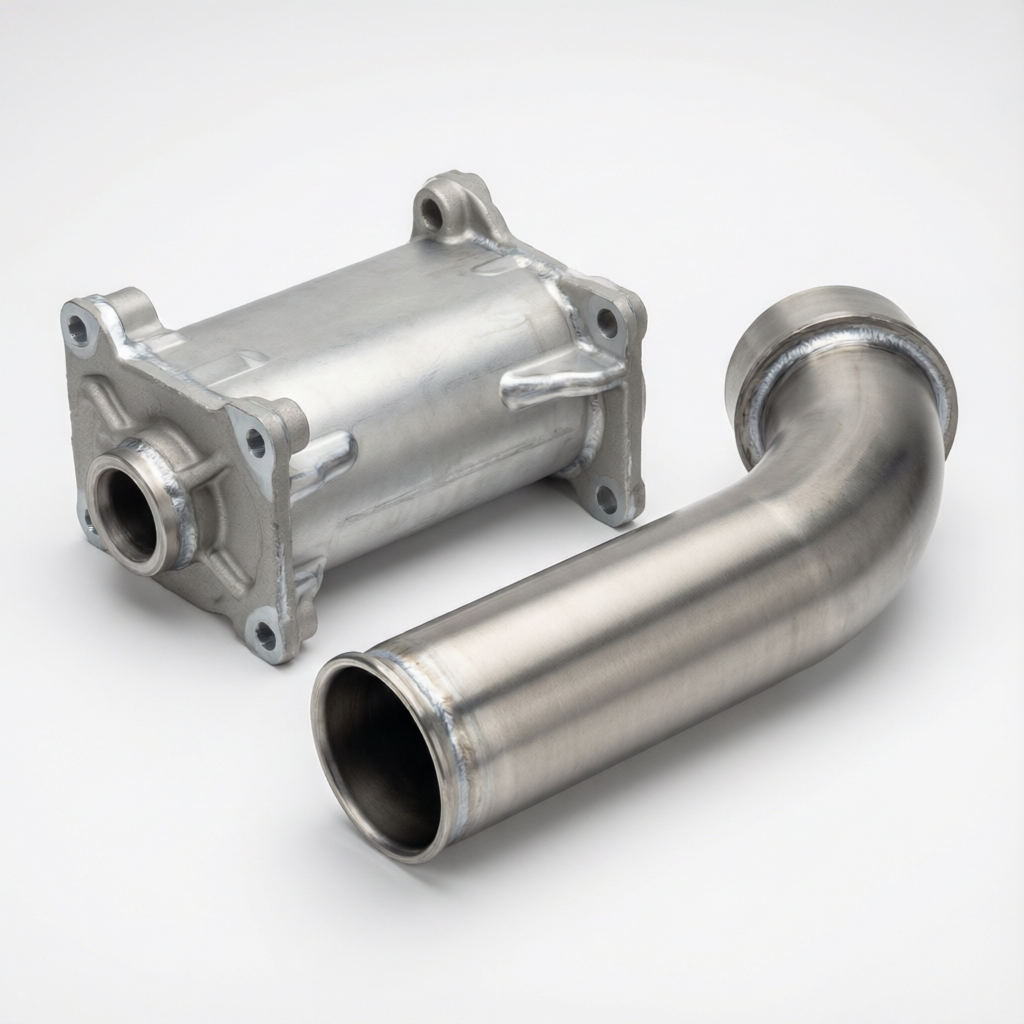
Recommended: T409 or T304 stainless steel construction provides necessary heat resistance and corrosion protection for exhaust-contact components.
Verification: Confirm materials before purchase—inferior alloys may degrade prematurely under thermal cycling.
Kit Completeness
Comprehensive kits should include:
- Block-off plates for EGR valve and cooler ports
- Replacement up-pipe eliminating factory EGR connection
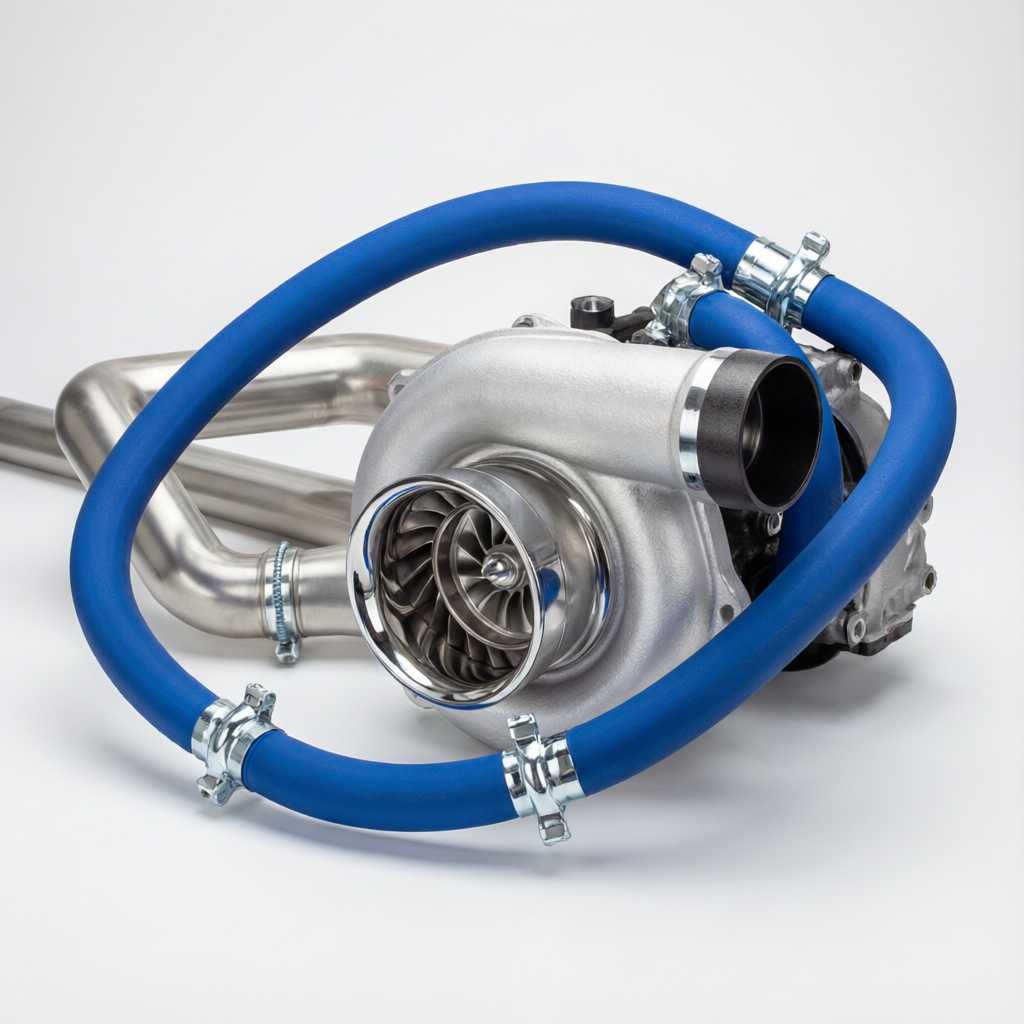
- Coolant bypass hoses maintaining proper circulation
- Installation hardware (gaskets, bolts, clamps)
- Model-year specific components for your configuration
Compatibility Verification
Confirm explicit listing for your specific vehicle:
- Model year
- Cab/chassis configuration
- Existing modifications that might affect fitment
Manufacturer Considerations
Reputation Indicators: Established brands with documented user feedback and clear warranty policies reduce uncertainty.
Support Availability: Accessible technical assistance and clear documentation facilitate proper installation.
Available Solution Configurations
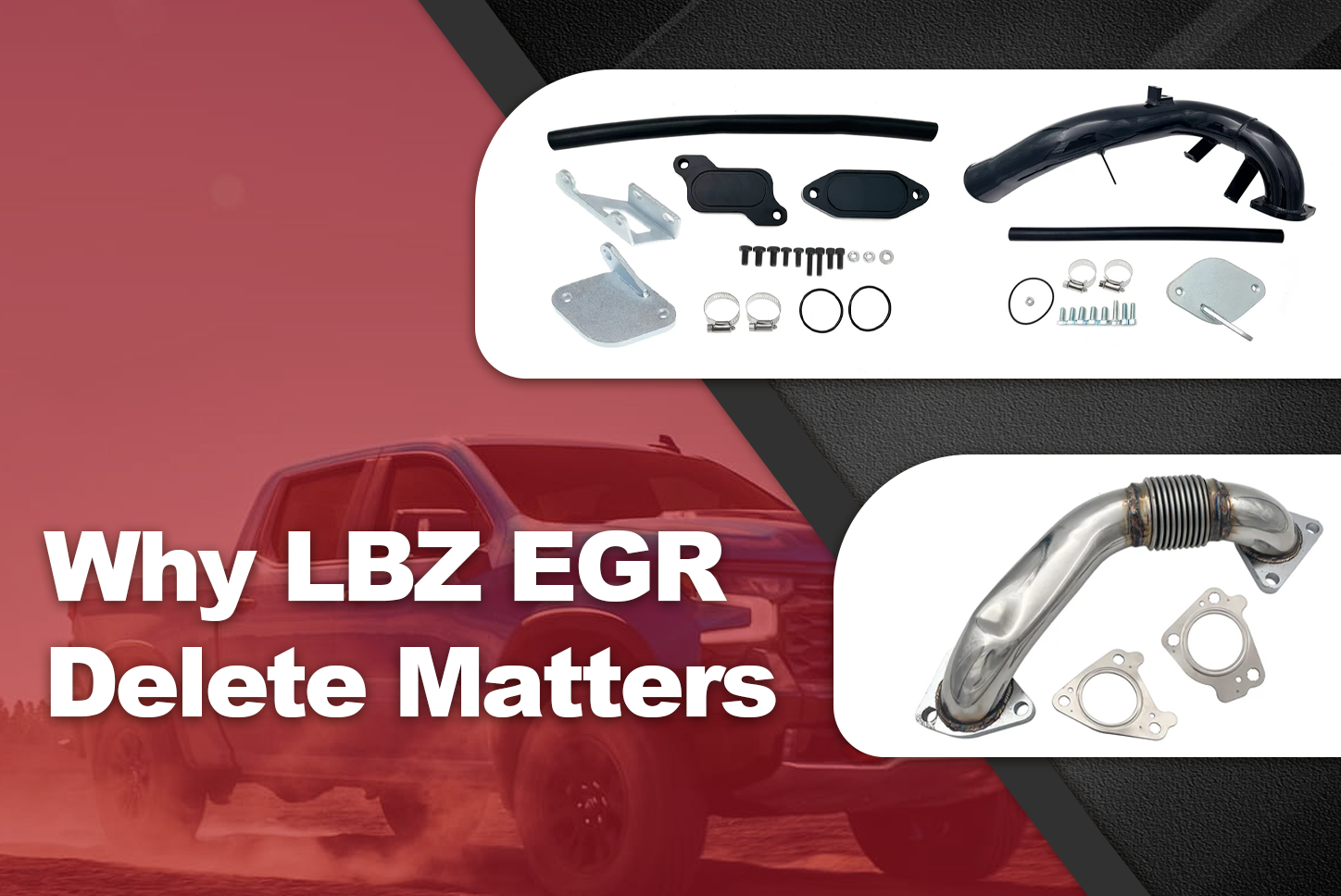
EGR Delete Kit | Passenger Side Up-Pipe | 2011-2016 GM/Chevy Duramax 6.6L
For owners seeking to eliminate EGR-related reliability issues while upgrading exhaust flow with precision-fabricated components, this EGR Delete kit delivers a focused solution engineered for the 2011-2016 GM/Chevrolet Duramax 6.6L.

Material Selection Rationale:
- Stainless steel provides necessary thermal cycling tolerance
- Billet aluminum components offer dimensional precision for sealing surfaces
- Material matching across components ensures uniform thermal expansion
- High-grade stainless steel throughout for thermal cycling durability
- Laser-cut flanges precision-machined for seamless connection
Fabrication Standards:
- Laser-cut flanges maintain consistent clamping surfaces
- TIG welding creates clean, strong joints without contamination
- Pressure testing verifies system integrity before shipment
- Factory-specification fitment eliminates installation guesswork
- Precision flange mating reduces leak potential at connection points
Performance Contribution:
- Optimized exhaust flow path complements EGR deletion
- Reduces restriction in the passenger-side exhaust routing
- Supports improved turbo efficiency through better flow characteristics
- Accelerated turbo response through unrestricted intake flow
- Reduced exhaust gas temperatures (EGTs) during loaded operation
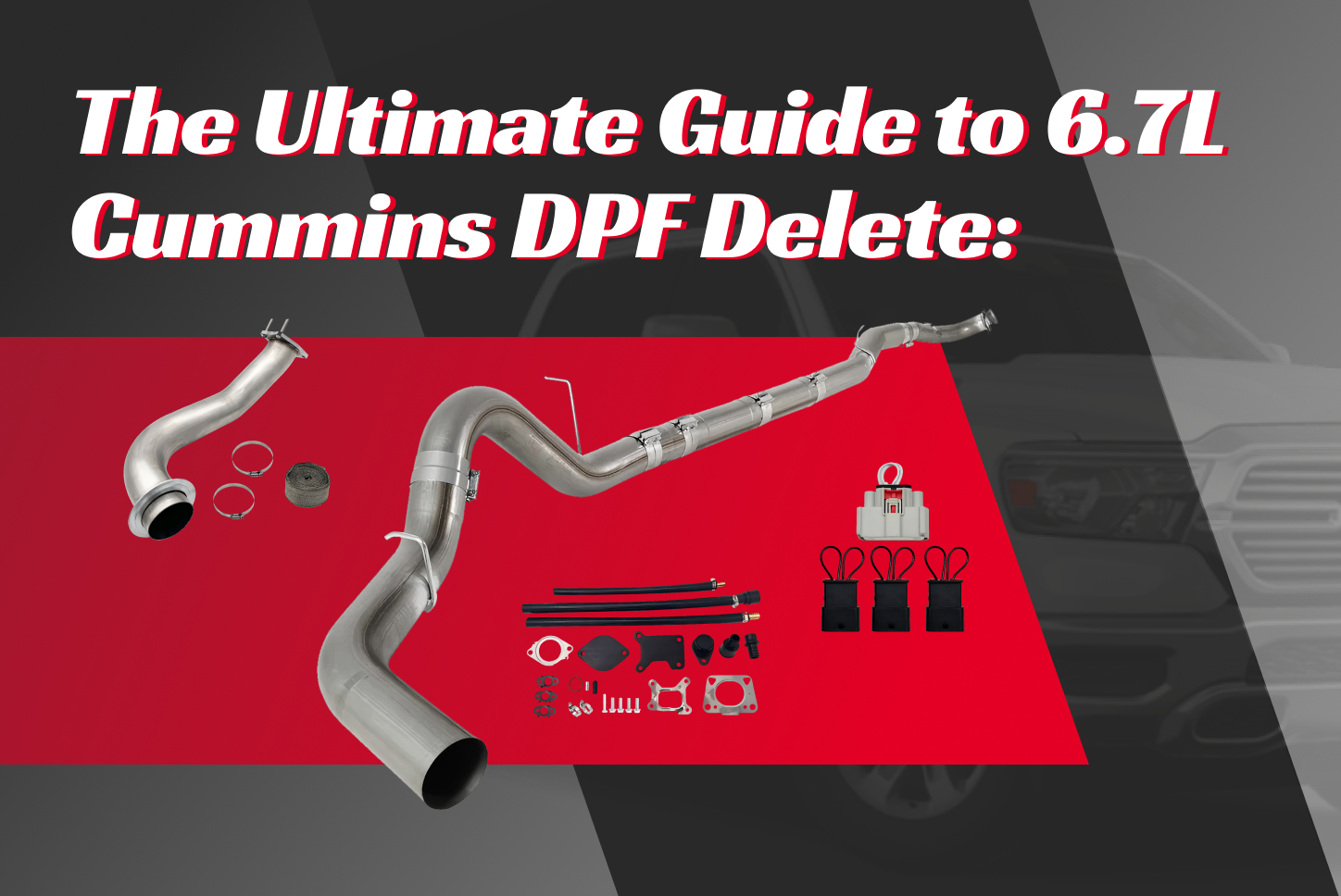
5" DPF/CCV/EGR Delete Kit | 2011-2015 GM/Chevy Duramax LML 6.6L
For owners whose primary concern is eliminating EGR-related reliability issues while potentially improving exhaust flow characteristics, this DPF / EGR delete + CCV kit offers a focused solution. It combines complete EGR system removal with a precision-fabricated passenger-side up-pipe, addressing two critical areas in a single coordinated package.

Performance Enhancement:
- Unrestricted exhaust flow from turbo back
- Significant reduction in overall system backpressure
- Optimized turbo efficiency through improved exhaust evacuation
Installation Efficiency:
- Single-kit solution eliminates piecemeal component sourcing
- Coordinated components ensure proper fit and function
- Reduced installation time compared to separate modifications
Durability Features:
- TIG-welded seams throughout for structural integrity
- Pressure-tested connections for leak-free operation
- Materials selected for diesel exhaust application longevity
Technical Considerations for Proper Implementation
Tuning Requirements
Electronic calibration is essential for proper operation:
Necessary Functions:
- Disables EGR-related diagnostic monitors
- Prevents limp-mode activation from missing sensor signals
- Optimizes fuel delivery for modified configuration
Consequence of Omission: Hardware-only deletion without appropriate tuning triggers fault indicators and may affect driveability.
Installation Timeline
Basic Hardware: 2-3 hours for mechanically proficient owners
Complete Solution (including tuning): 4-6 hours accounting for calibration setup and verification
Potential Concerns Addressed
Check Engine Light: Proper tuning suppresses EGR-related diagnostic codes, allowing normal indicator operation for other systems.
Engine Damage Risk: Correctly executed deletion with appropriate tuning maintains safe operating parameters. Improper installation or absent tuning may elevate exhaust temperatures.
Fuel Economy Observations: Users typically report 4-6 MPG improvement, with highway figures approaching 20 MPG in some applications. Oil remains cleaner between changes.
Decision Framework Summary
Before proceeding, systematically evaluate:
Technical Assessment:
- Has the EGR system demonstrated recurrent failure?
- Are existing problems addressed before modification?
- Have you selected components matching your specific vehicle?
Regulatory Review:
- What are current local inspection requirements?
- How might future enforcement changes affect you?
- Have you considered resale implications?
Operational Considerations:
- Does your usage pattern justify eliminating this system?
- Have you evaluated insurance implications?
- Are you prepared for potential future compliance requirements?
Implementation Verification:
- Does your selected kit include all necessary components?
- Have you confirmed material quality and compatibility?
- Is appropriate tuning arranged alongside hardware?
Conclusion
The EGR deletion decision ultimately rests on matching technical realities with your specific circumstances. For vehicles facing recurrent system failures, operating in demanding conditions where reliability is paramount, or retained by owners prepared for long-term commitment, elimination represents a defensible engineering solution. For casual users in regulated areas with functioning systems, retention may remain the practical choice.
By applying this framework—evaluating technical facts, regulatory requirements, and your operational needs—you can reach a conclusion appropriate for your situation, informed by substance rather than internet rhetoric. Welcome to www.ifjf.com. Choose the perfect upgrade solution for your pickup truck!
FAQs About the LML EGR Delete Kit
Q1: Will deleting the EGR system hurt my engine?
A1: Not if it’s done right with the right tuning. In fact, it can help reduce carbon buildup and keep the intake system cleaner. That said, a sloppy install or skipping the tune can lead to higher exhaust temps and cause issues down the road.
Q2: Will the check engine light come on?
A2: If you just pull the hardware off, yeah, it’ll pop on for sure. But with a good tuner that disables the monitors, the truck runs clean—no lights, no hassles, just peace of mind.
Q3: How long does it take to install the LML Duramax EGR delete kit?
A3: If you’re reasonably handy with tools, installing the basic EGR delete hardware will take about 2–3 hours. If you’re going with a full solution that includes ECU tuning, plan for around 4–6 hours. Most guys can knock it out over a weekend without breaking a sweat.
Q4: What’s the impact on fuel economy after deleting the EGR and DPF?
A4: Most guys are seeing a solid bump—usually around 4–6 MPG better. On the highway, it’s not unheard of to hit nearly 20 MPG. Plus, the engine runs smoother and the oil stays cleaner longer, so you can stretch out those oil change intervals.
Q5: Do I really need to use a tuner with it?
A5: Yeah, you’ll definitely want a compatible tuner. It not only turns off those annoying EGR-related trouble codes so the truck doesn’t go into limp mode, but it also dials in the performance so everything runs right with the new setup.