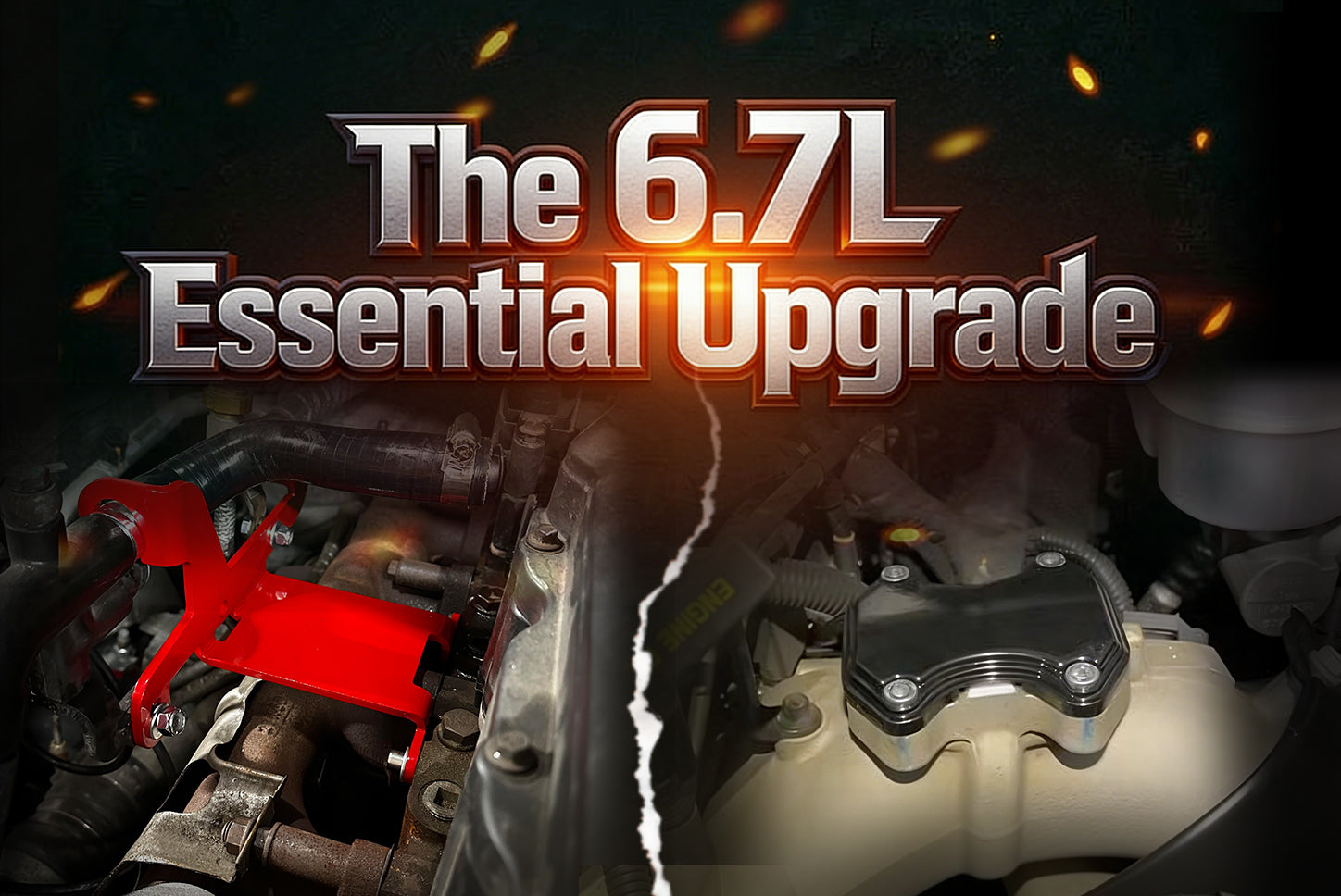

The 2006 to mid-2007 LBZ Duramax 6.6L engine holds an iconic position in the world of diesel power. Its balance of durability and performance has allowed it to maintain a strong following and significant modification potential nearly two decades after its release. However, even though this engine was designed to balance regulations with capability, its factory-installed Exhaust Gas Recirculation (EGR) system represents an engineering compromise that limits the engine's true potential.
This article provides a systematic overview of the EGR system's design principles, its practical impact on performance, common failure modes, and the primary hardware upgrade paths available today.
The EGR System: Performance Trade-offs
The Exhaust Gas Recirculation system is a critical component enabling diesel engines to meet emissions standards. Its core function is to route a portion of exhaust gases back into the intake manifold to participate in combustion. This lowers the oxygen concentration and peak flame temperature within the cylinders, thereby suppressing the formation of Nitrogen Oxides (NOx).
From an emissions control standpoint, this approach is demonstrably effective. However, when evaluated from the perspective of overall powertrain efficiency, its introduction creates the following structural issues:
Intake Flow Contamination:
Soot particles present in the exhaust accumulate over time on intake manifold walls, valve backs, and within the intercooler. This carbon deposit layer physically obstructs airflow, reducing volumetric efficiency.
Increased Combustion Thermal Load
Recirculating hot exhaust gases raise the overall intake air temperature. This leads to higher temperatures at the end of the compression stroke, placing additional thermal stress on critical components like pistons, cylinder heads, and valves.
Degraded Combustion Quality
Recirculated gas occupies volume that would otherwise be filled with fresh, oxygen-rich air. This reduces the oxygen concentration in the combustion chamber, leading to less complete fuel burning. The direct results are reduced power output and poorer fuel economy.
Quantifiable Performance Changes After EGR Delete
When the physical hardware is removed and the Engine Control Module (ECM) is recalibrated, an LBZ engine with an EGR delete undergoes several measurable changes in its operating state:
Restored Intake System Cleanliness
With the EGR system removed, hot, soot-laden exhaust gases no longer enter the intake tract. The source of carbon buildup is permanently eliminated. The intake manifold, intercooler, and valve areas remain clean over the long term, reducing airflow resistance and maintaining peak intake efficiency.
Reduced Combustion Temperatures
Blocking the EGR path allows intake air temperatures to drop back to near-ambient (post-turbo/intercooler) levels. The overall thermal load inside the combustion chamber decreases significantly. This reduction in heat stress on pistons, valves, and cylinder heads contributes positively to long-term engine durability.
Improved Combustion Efficiency
With a higher proportion of fresh air in the cylinder, the oxygen density returns to the engine's designed baseline. Fuel burns more completely and efficiently. Drivers typically experience noticeably sharper throttle response, reduced acceleration lag, and, under heavy load like towing, the engine runs with less perceived effort and lower cooling system pressure.
Simplified Maintenance
Common failure points such as the EGR valve (sticking) and EGR cooler (clogging or leaking) are completely eliminated. The need for expensive and labor-intensive intake system cleaning services is drastically reduced, saving on both parts and labor costs over the vehicle's life.
Common Symptoms of EGR System Failure
The EGR system can degrade over time, often exhibiting failure modes gradually. Here are several common symptoms and their technical causes:
-
Rough or Unstable Idle: Noticeable fluctuation in RPM after startup or while stopped at idle. This is often caused by an EGR valve stuck partially open, allowing uncontrolled exhaust flow into the intake.
-
Stalling at Idle: The engine shuts off completely when returning to idle. This serious symptom typically indicates the EGR valve is stuck fully open, severely disrupting combustion stability.
-
Sluggish Throttle Response: A noticeable delay or lack of power when accelerating, especially noticeable when climbing hills or attempting to pass. Measured power loss can be 10-15%.
-
Decreased Fuel Economy: A clear drop in miles per gallon. Incomplete combustion reduces the energy extracted from each drop of fuel. Increases of 10-20% in fuel consumption are possible.
-
Strong Exhaust Odor: A pungent smell of raw diesel or unusual NOx fumes around the vehicle. This points to severely abnormal combustion conditions.
-
Illuminated Check Engine Light: Common diagnostic trouble codes (DTCs) associated with EGR failure include P0400 (EGR Flow Malfunction), P0401 (Insufficient EGR Flow), P0402 (Excessive EGR Flow), and P1404 (EGR Valve Actuator Fault).
-
Increased Operating Temperatures: Coolant temperature readings trending higher than normal. This can be caused by a restricted or failed EGR cooler, which transfers excessive heat to the coolant system.
If several of these symptoms appear together, it is a strong indicator that the EGR system has entered a failure cycle and requires systematic diagnosis or intervention.
Choosing the Right EGR Solution for LBZ Duramax
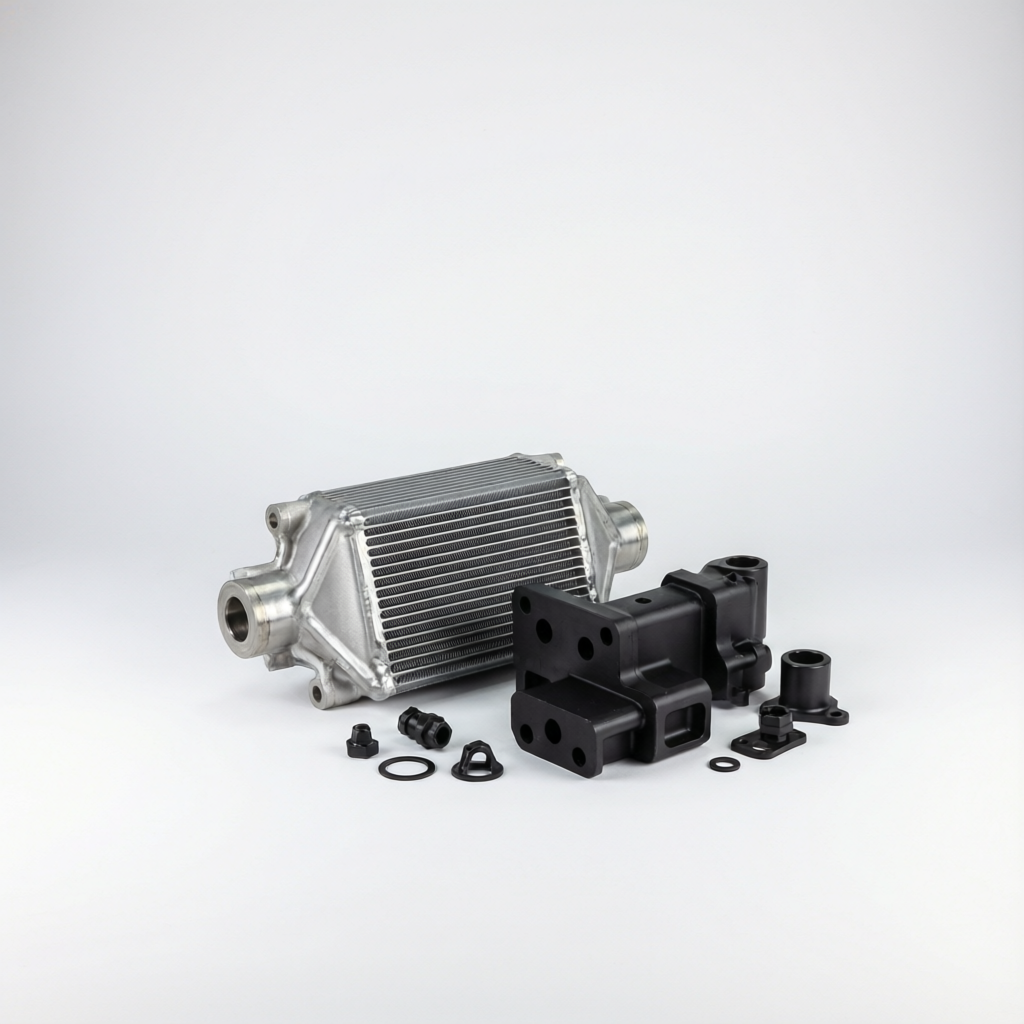
EGR Delete Kit | 2006-2007 GM/Chevy Duramax LBZ 6.6L
This EGR upgrade kit is engineered to completely eliminate the performance restrictions imposed by the factory EGR system, allowing your engine to unlock its suppressed original power.

Core Materials:
-
Aluminum Block-Off Plates/Plugs – Lightweight construction with excellent high-temperature resistance.
-
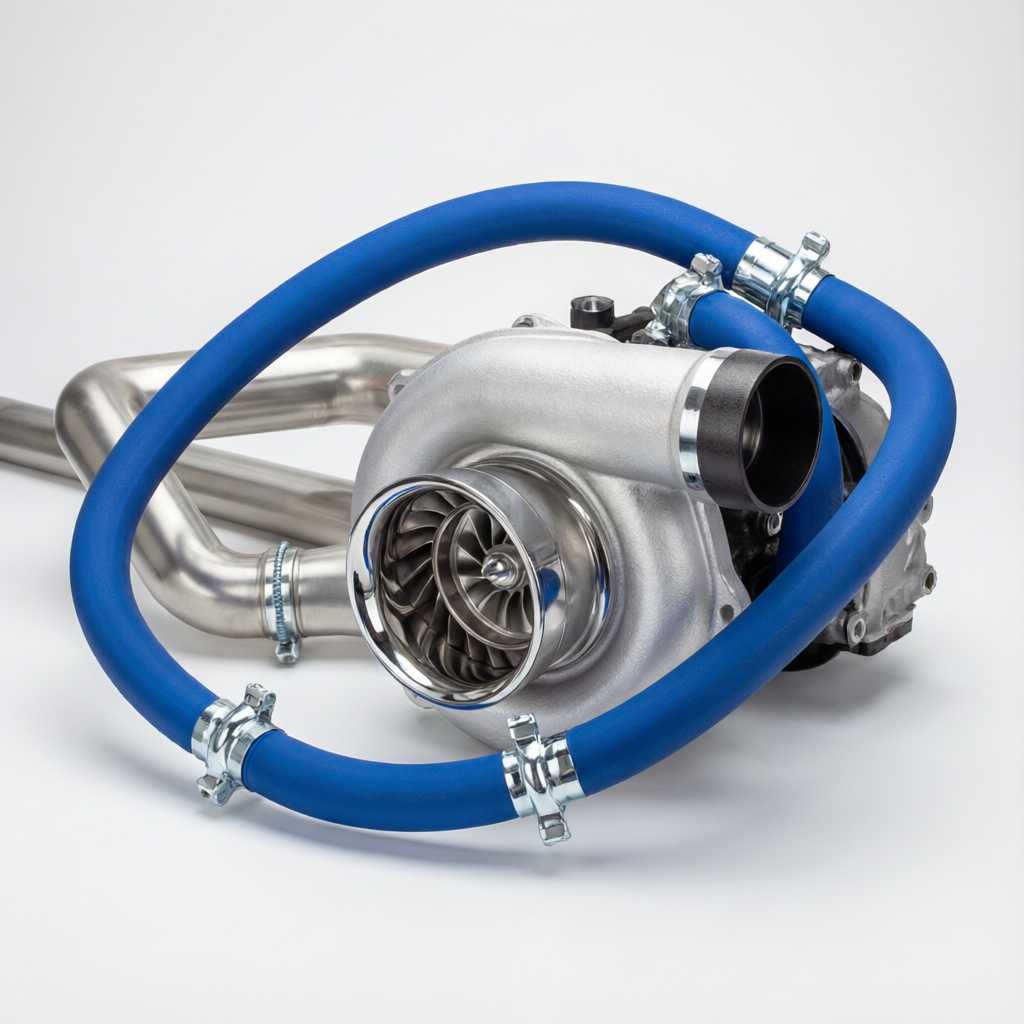
Reinforced Stainless Steel Piping – Enhanced corrosion resistance for a extended service life.
-
High-Temperature Silicone Seals – Ensures reliable, long-term sealing at all connection points.
Performance Benefits:
-
Improved Fuel Efficiency – Restores the ideal air/fuel ratio for optimized combustion.
-
Significantly Reduced Thermal Load – Lowers combustion chamber temperatures by over 120°C (215°F), effectively reducing the risk of cylinder head cracking.
-
Optimized Cooling System – Features a patented vortex design to improve coolant flow efficiency.
-
Complete Carbon Elimination – Permanently prevents intake system soot buildup, restoring factory-level horsepower.
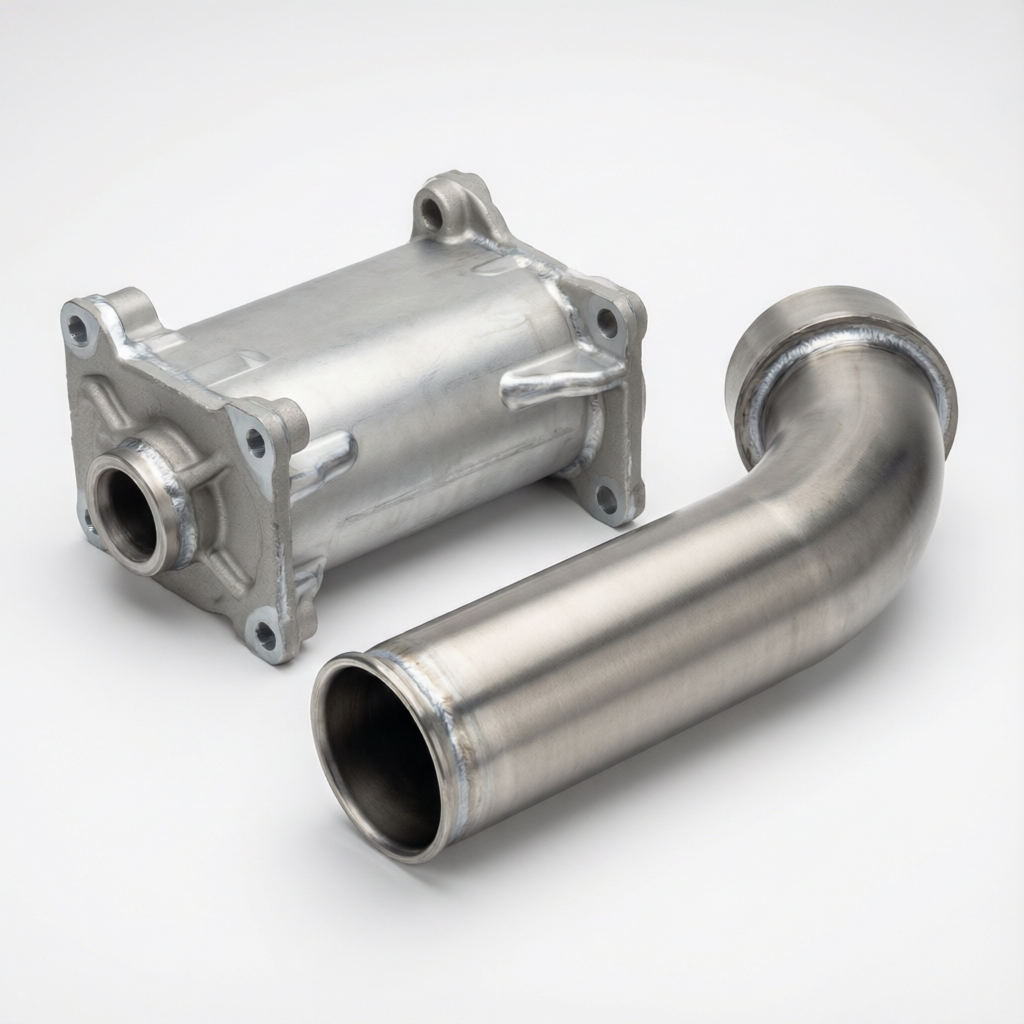
EGR Delete Kit | Passenger Side Up-Pipe | 2006-2007 GM/Chevy Duramax LBZ 6.6L
The EGR delete kit featured here (including the up-pipe) is a high-quality solution specifically engineered for 2006 to 2007 LBZ Duramax applications. Its design precision, manufacturing quality, and material selection represent the technical standards expected of ideal upgrade hardware.

Craftsmanship & Quality Highlights:
-
Constructed from a combination of aluminum, stainless steel, and high-temperature silicone, balancing lightweight design, structural strength, and reliable long-term sealing.
-
All welded joints are pressure-tested to eliminate any risk of leaks.
-
Features a fully bolt-on design; installation requires no cutting or welding, ensuring a seamless, non-invasive upgrade.
-
Specifically optimized for the passenger-side plumbing layout to guarantee a perfect fit with the vehicle's original structure.
Hardware Selection and Installation for EGR Delete
Choosing the right components for an EGR delete is critical for long-term system stability and leak-free reliability. Evaluation should focus on two main factors: material properties and manufacturing precision.
Material Selection
Stainless steel grades such as T-409 or 304 offer excellent resistance to high-temperature oxidation and corrosion, making them the standard materials for quality EGR delete kits. Aluminum block-off plates are also common for their light weight and heat transfer properties.
Precision Manufacturing
Components must match the original factory dimensions precisely. This ensures a proper seal, prevents installation stress on surrounding components, and avoids potential resonance or vibration issues.
Installation Approach:
DIY Installation:
For owners with solid mechanical skills and the necessary tools, this is a manageable project. Key steps include allowing the engine to fully cool, properly draining and refilling coolant, strictly following torque specifications on all fasteners, and performing a thorough leak check after startup and a short test drive.
Professional Installation:
If you are not fully comfortable working on the engine or lack the required tools, professional installation is highly recommended. A qualified shop can ensure perfect sealing, confirm that the ECM tuning is correctly performed, and guarantee the overall reliability and safety of the upgrade.
Regardless of who performs the physical install, recalibrating the ECM is a mandatory step. Without updated software, the engine's computer will detect the missing EGR components, trigger a check engine light, and potentially activate a reduced-power mode (limp mode), preventing normal vehicle operation.
Conclusion
For the LBZ Duramax, removing the EGR system is not about pursuing extreme, untested performance gains. It is a targeted technical intervention designed to restore the engine's baseline operating efficiency. By eliminating the intake contamination, high thermal loads, and combustion inefficiencies introduced by the EGR system, the engine can return to a more optimal and reliable operating state. The documented improvements in power, thermal management, and reduced maintenance requirements are all objective validations of this approach.
Selecting a high-quality hardware kit, ensuring professional ECM calibration, and following correct installation procedures are the three fundamental requirements for a successful and dependable EGR delete. For detailed information on complete EGR delete solutions specifically engineered for the 2006-2007 LBZ, please visit www.ifjf.com.
FAQs About LBZ EGR Delete Kits
Q1: Why is coolant leaking after installing an LBZ EGR delete kit?
A1: This is usually caused by improper gasket placement or loose bolts. We recommend checking the following: Is the gasket seated correctly? Are the sealing surfaces clean and smooth? If the leak persists, please contact our technical support team for further assistance.
Q2: Will removing the EGR system improve my LBZ's fuel economy?
A2: Yes. According to feedback from most LBZ owners, removing the EGR system typically results in a 1 to 3 MPG improvement. This gain comes from reduced engine load, cleaner combustion, and the elimination of restrictions caused by the factory EGR system.
Q3: How difficult is it to install an EGR delete kit on an LBZ Duramax?
A3: This job requires intermediate mechanical skills and typically takes 3 to 5 hours to complete. While experienced DIYers can handle the installation, we recommend that most owners have it done by a professional shop to ensure proper sealing and system compatibility.
Q4: Will deleting the EGR system cause problems for my LBZ Duramax engine?
A4: When properly installed with a professional ECM tune, deleting the EGR system can actually improve overall engine reliability and efficiency. However, poor installation or failure to recalibrate the ECM may lead to running issues. For this reason, we strongly recommend having the work done by an experienced technician or qualified shop.
Q5: Can I still drive my truck if the LBZ EGR valve fails?
A5: Technically, the vehicle may still run for short distances, but extended driving is not recommended. While a failed EGR valve may not cause an immediate breakdown, it can lead to abnormal combustion, increased carbon buildup, and potential damage to other components.