
When it comes to modifying modern diesel trucks like the 2017–2023 GM/Chevy Duramax with the L5P engine, dealing with the electronic emissions system is often the biggest hurdle. The CAN bus links every major control unit under the hood, and the ECM constantly monitors emissions components such as NOx sensors and the DEF system. Remove or alter any of those parts, and the ECM will immediately notice—triggering fault codes, reducing engine power, or forcing the vehicle into limp mode.
This is where L5P CAN bus simulator plugs come into play. Rather than leaving the CAN bus network disrupted, these plugs send realistic signals back to the ECM, effectively simulating the presence of the original emissions components. They allow owners to delete DPF, DEF, and SCR systems for off-road, racing, or high-performance street use without constant electronic interference.
What is L5P Can Bus Plugs
The Controller Area Network (CAN) bus acts as the central nervous system of modern vehicle electronics, enabling various electronic control units (ECUs) to exchange data efficiently. In the L5P engine, the emissions control system continuously interacts with the Engine Control Module (ECM) via this bus, transmitting real-time sensor readings and system status. When certain emissions components are removed, the role of the CAN bus simulator plug is to send an "all-clear" signal to the ECM, thereby avoiding system errors.
Common Installation Locations
-
Under the hood, driver's side: Located close to the main ECM unit, used to simulate NOx sensor signals near the engine.
-
Driver's side frame rail: Typically used to simulate sensors located within the exhaust system.
-
Passenger side frame rail: Corresponds to emissions components on the opposite side.
-
Near the DEF tank / rear of the truck: Specifically designed to simulate DEF system components, including the level sensor and quality sensor.
Why Do You Need L5P CAN Bus Simulator Plugs?
Clear Trouble Codes and Prevent Engine Derate
Without these simulator plugs, the ECM will detect that the NOx sensors or DEF module are "missing" and will log corresponding Diagnostic Trouble Codes (DTCs). This triggers power limitations or forces the vehicle into a reduced-power "limp mode," severely impacting normal driving performance.
Pave the Way for Performance Tuning
Before safely re-flashing or tuning the engine for increased power, you must first address electronic compatibility issues. These simulator plugs provide a stable electrical foundation for subsequent performance optimization.
Support Advanced Modifications
Whether for off-road use, racing, or maximum street performance, after removing the DPF (Diesel Particulate Filter), DEF (Diesel Exhaust Fluid), and SCR (Selective Catalytic Reduction) systems, electronic system stability cannot be ignored. This simulator plug kit ensures your modified vehicle's electronics continue to operate reliably.
A Product That Exceeds Expectations
Can Bus Plugs | 2017-2019 GM/Chevy Duramax L5P
In the world of diesel engine modification, optimizing the emissions system to balance extreme performance with practical efficiency has become a core focus for high-end users. A solution that maintains system integrity while unlocking performance potential has emerged—this is the original intent behind the L5P can bus plug.

Product Core Features
-
Made of high-strength ABS engineering plastic, offering excellent heat resistance and corrosion protection.
-
Professional ECM calibration is mandatory after installation.
-
Manufactured to strict automotive-grade quality standards, ensuring long-term reliability and stability.
-
Maintains complete communication on the fuel system's CAN bus.
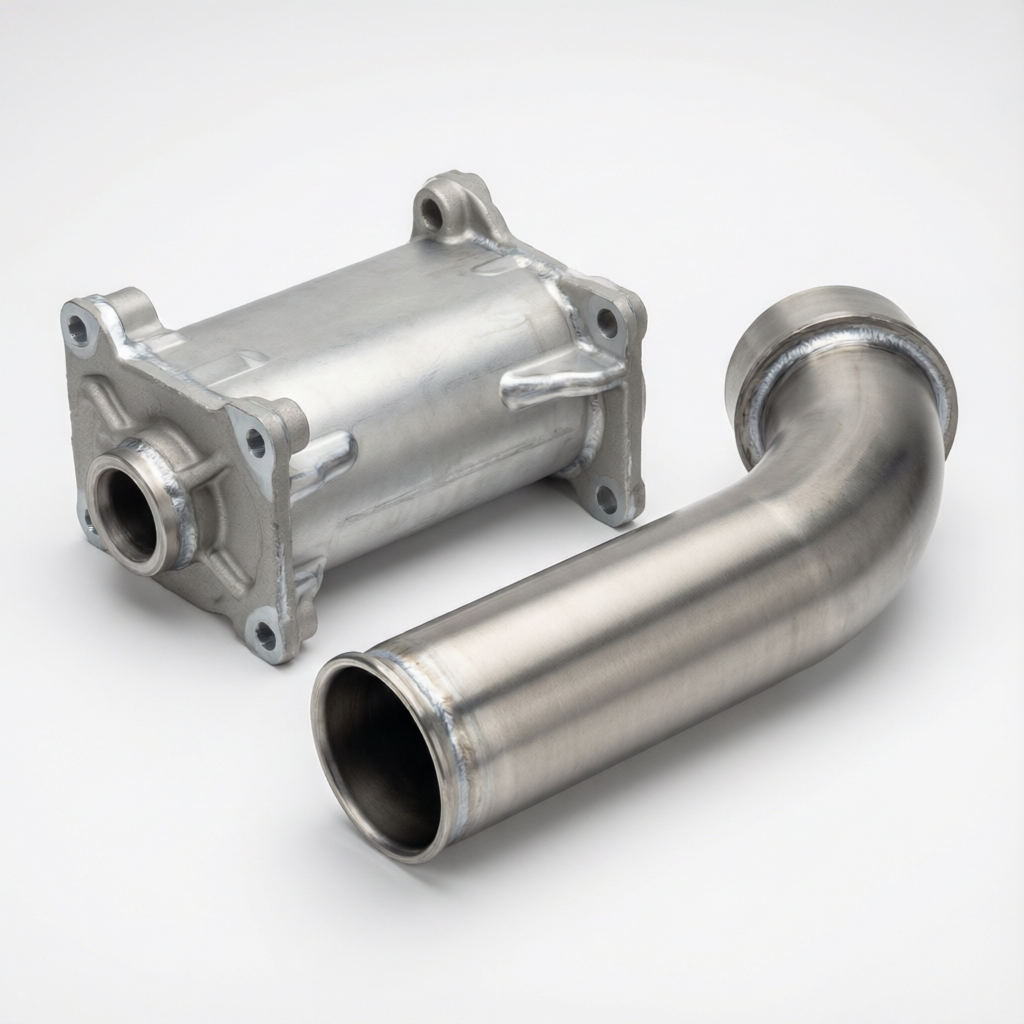
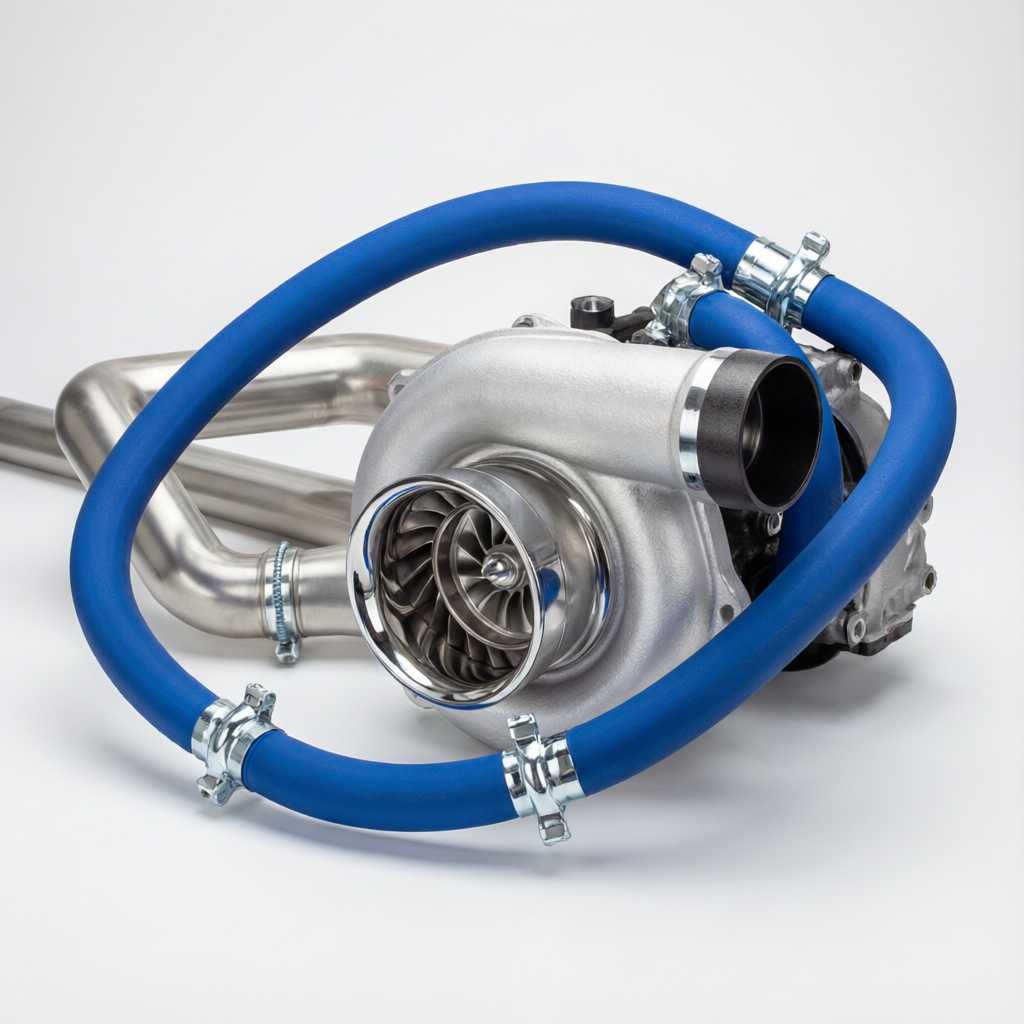
Full Delete Kit 4"/5"DPF/EGR/CCV/Downpipe| 2017-2023 GM/Chevy Duramax 6.6L
This complete exhaust system solution is engineered for racing environments that demand maximum exhaust flow. Constructed from aerospace-grade materials, it delivers unparalleled exhaust efficiency for the L5P engine.

Significant Power Gains
-
Substantially reduces exhaust backpressure.
-
Improves turbo response and minimizes turbo lag.
-
Closed-loop connections provide the ECM with the feedback signals needed for proper operation.
Comprehensive System Protection
-
Lowers exhaust system operating temperatures, extending the life of related components.
-
Improves engine bay cooling and reduces heat buildup.
-
Maintains normal communication with the ECM through electronic simulation.
Detailed Installation Steps & Maintenance Guide
Safety Preparation
Vehicle Preparation: Park the vehicle on a level, well-ventilated surface.
Electrical Safety:
-
Turn the ignition off and remove the key.
-
Disconnect the negative battery cable.
Step-by-Step Installation Process
-
Locate and Remove: Find the original NOx sensor and DEF module locations, then carefully remove them.
-
Install Simulator Plugs: Connect the compatible CAN bus simulator plugs into the ports previously used by the NOx sensors/DEF module.
-
Restore Power: After all plugs are installed and connections are confirmed secure, reconnect the vehicle's battery power.
-
System Calibration: Once installation is complete, you must perform the Engine Control Module recalibration procedure.
Long-Term Usage Guidelines
Regular Inspection Schedule
-
Monthly Check: Visually inspect connection security to ensure there is no loosening.
-
Quarterly Check: Thoroughly examine plugs and wiring for any signs of wear, heat discoloration, or other abnormalities.
Cleaning and Maintenance
-
Gently wipe the exterior of the plugs with a dry, soft cloth.
-
Do not use corrosive chemical cleaners or abrasive materials.
Environmental Protection:
Avoid exposing the plugs to extreme conditions outside normal vehicle operating parameters, including:
-
Prolonged high humidity.
-
Extreme temperatures.
-
Contact with corrosive chemicals.
Troubleshooting Post-Installation Issues
Check Engine Light On / Diagnostic Trouble Codes Present
-
Check that all simulator plugs are correctly seated or locked securely.
-
Confirm that the proper ECM recalibration procedure has been completed successfully.
-
If the above checks are normal, it is recommended to have a professional technician perform a full vehicle diagnosis.
Engine Performance Problems
-
Re-verify the accuracy and completeness of the loaded engine calibration data.
-
Thoroughly inspect the simulator plugs and related wiring harnesses for physical damage, deformed connector pins, or broken circuits.
-
Perform a comprehensive vehicle diagnosis to rule out faults unrelated to the emissions system.
Conclusion
Still troubled by ECU trouble codes after deleting your emissions system? Our professional-grade CAN bus simulator plugs clear the electronic path for your deep modifications (such as DPF/DEF deletion and ECU tuning). By precisely simulating NOx sensor and DEF module signals, these simulator plugs ensure smooth CAN bus communication—a critical component for building a complete high-performance system. Visit www.ifjf.com to learn how to equip your truck with the most reliable "nervous system."
FAQs About L5P Can Bus Plugs
Q1: Can long-term vibration damage the CAN bus simulator plugs?
A1: Long-term vibration can potentially cause damage, but the product's anti-vibration design features (such as reinforced connectors and shielding) effectively mitigate this risk.
Q2: Can I install L5P CAN bus simulator plugs myself?
A2: Improper installation can lead to electrical faults, engine performance issues, or even safety hazards. If you are not fully confident in your technical abilities, we strongly recommend seeking help from a qualified professional technician.
Q3: Are these plugs compatible with other vehicle models or engine types?
A3: Using these plugs on incompatible truck models or engine types may result in improper fitment, potential damage to the vehicle's electrical system, and degraded performance.
Q4: How durable are L5P CAN bus simulator plugs under prolonged high temperatures?
A4: L5P CAN bus simulator plugs are typically made from durable ABS plastic and are designed to withstand the high heat, vibration, and moisture found in engine bays for long-term use.
Q5: Will installing these plugs void my original factory warranty?
A5: Installing CAN bus simulator plugs does not automatically void your manufacturer's warranty. However, if a dealer can prove that these connectors directly caused a related failure, they may deny that specific warranty claim.