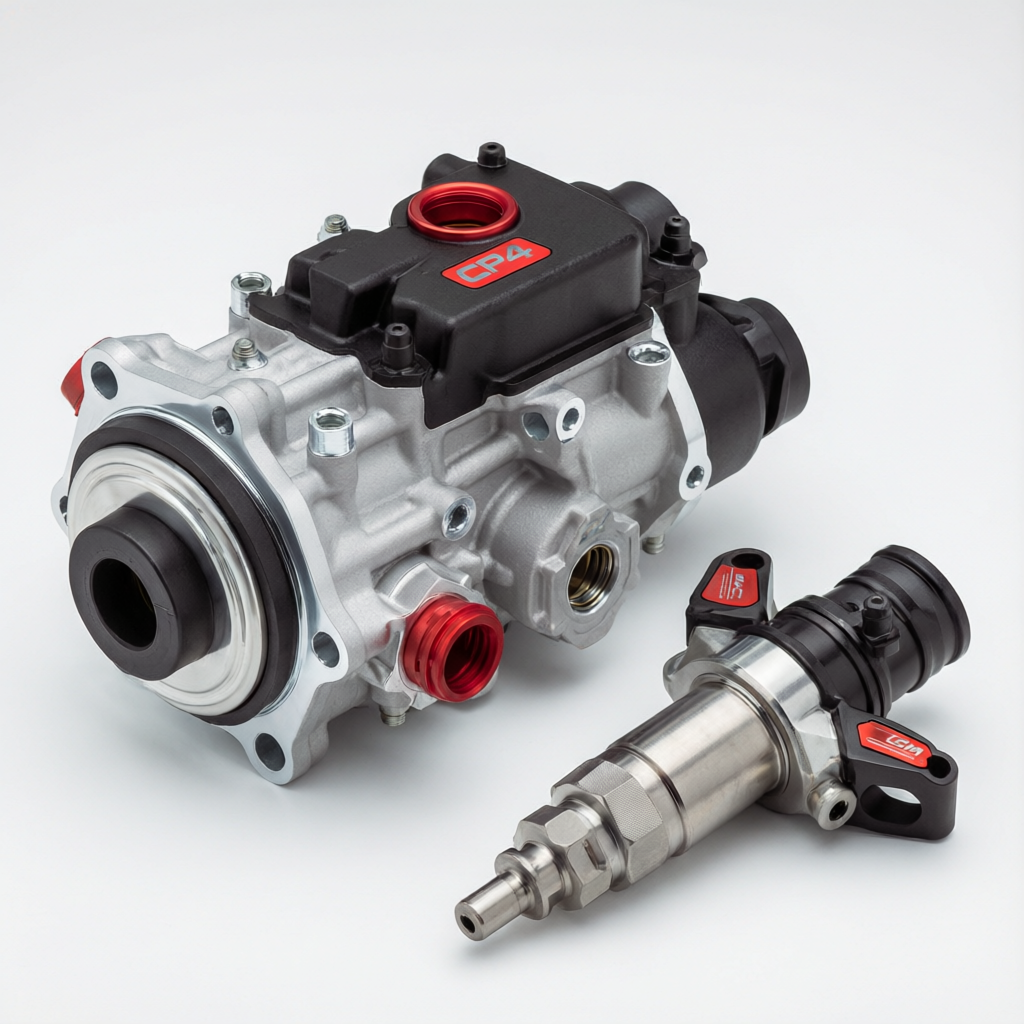

The Cummins ISX is a powerhouse of the American trucking industry, known for its efficiency and torque. However, for many owner-operators and fleet managers, the Exhaust Gas Recirculation (EGR) system remains a point of contention. To ensure the longest possible life for an ISX engine, one must weigh two vastly different paths: rigorous maintenance of the OEM system or the controversial route of deletion.
The Function of the EGR System
The EGR system is designed to reduce nitrogen oxide emissions by recirculating a portion of the exhaust gas back into the engine cylinders. By replacing some of the oxygen-rich intake air with inert exhaust gas, the combustion temperature is lowered, which inhibits the formation of nitrogen oxide.
While effective for the environment, this process introduces soot and heat back into the intake manifold, which can lead to carbon buildup over time.
Path A: The Maintenance Strategy
For those operating under federal regulations and seeking to maintain the resale value of their equipment, proactive maintenance is the key to longevity.
-
EGR Cooler Cleaning: The cooler is the heart of the system. Over time, soot accumulates, reducing cooling efficiency and increasing the risk of thermal stress. Regular ultrasonic cleaning can prevent the "plugging" that often leads to catastrophic failure.
-
Valve Inspection: The EGR valve must move freely to regulate gas flow. Carbon deposits can cause the valve to stick, leading to poor fuel economy, rough idling, or "check engine" codes.
-
Sensor Calibration: The Delta P sensor (which measures pressure differential) and the EGR temperature sensors are the "eyes" of the system. Replacing these sensors before they fail prevents the engine from running in an inefficient state.
-
Oil Quality: Since EGR increases the soot load in the engine oil, using high-quality API CK-4 oils and adhering to strict drain intervals is non-negotiable for protecting the cylinder walls and bearings.
Path B: The Deletion Debate
"Deleting" involves removing the EGR cooler and valve and reprogramming the Engine Control Module (ECM) to operate without them. Proponents argue this is the ultimate "longevity" mod.
-
Lower Operating Temperatures: Without hot exhaust gas being fed back into the cylinders, the engine runs cooler, potentially extending the life of the head gasket and valves.
-
Cleaner Intake: Deletion eliminates soot buildup in the intake manifold and prevents "oil soot loading," keeping the engine oil cleaner for longer periods.
-
Reduced Complexity: Removing the EGR eliminates several common failure points that often result in "limp mode" or expensive roadside assistance.
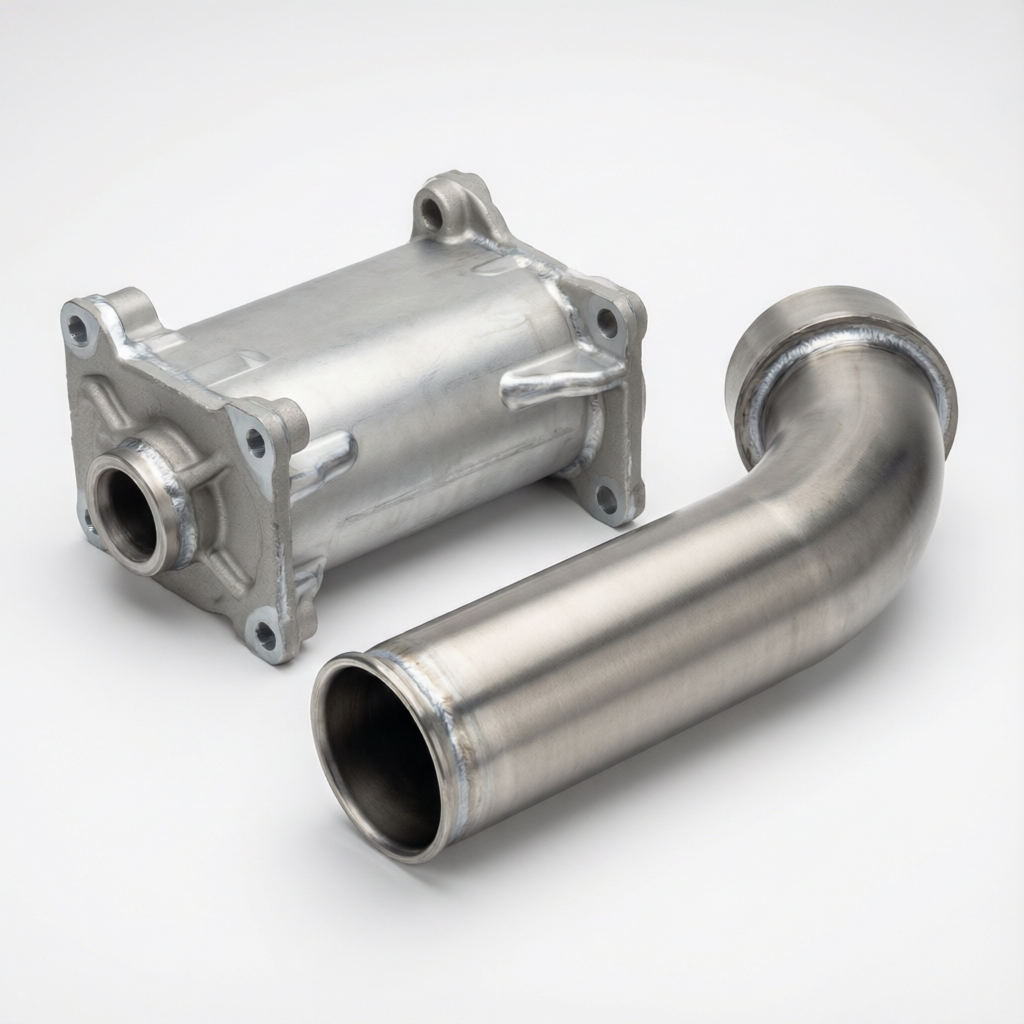
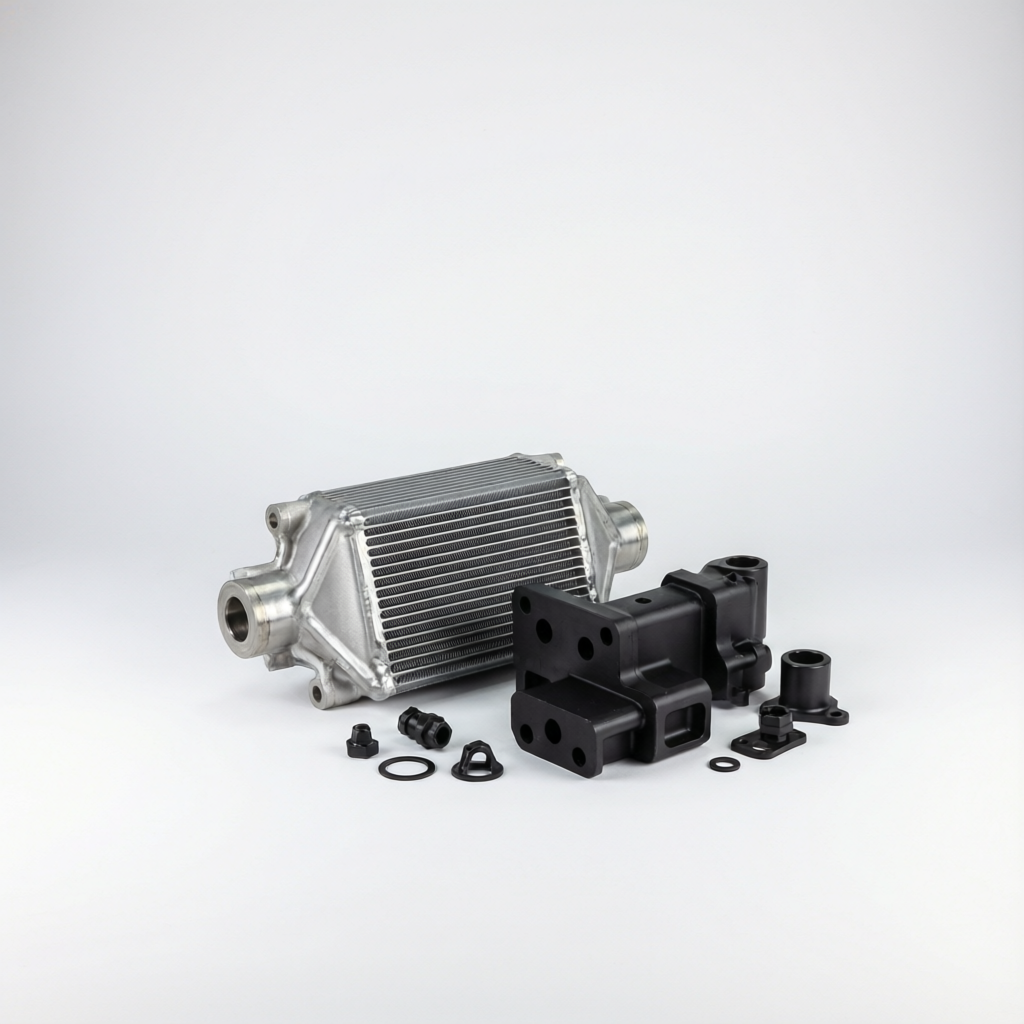
EGR Delete Kit | 2010-Present Ram Cummins ISX 15
Designed specifically for the rigorous demands of the ISX 15 platforms, this EGR upgrade kit focuses on material integrity to ensure a "one-and-done" installation:

-
Aerospace-Grade Construction: The two primary plates are crafted from 6061 billet aluminum, anodized for corrosion resistance, and precision CNC-machined for a perfect fit.
-
Stainless Steel Durability: The additional plates and five plug fittings are made from 304 stainless steel, ensuring they will never rust even under extreme thermal cycling.
-
Superior Sealing: The kit includes a high-temperature graphite gasket, providing a leak-proof seal that standard gaskets can't match.
-
Built for the Engine Bay: Every component is selected to withstand the vibration and heat of a heavy-duty diesel environment.
EGR Plug Kit | 2007-2010 Ram Cummins ISX CM871
For owners of the classic CM871, this Stage 2 EGR kit offers a reliable, "universal-fit" solution to simplify the engine bay:

-
Rugged Materials: A combination of 304 stainless steel and billet aluminum provides the perfect balance of strength and heat dissipation.
-
CNC Precision: Every plate is CNC laser-cut to ensure a flush seal against the manifold, preventing boost leaks.
-
Reliable Sealing: Equipped with high-pressure sealed fittings and heat-resistant gaskets, this kit is built for long-term durability in harsh environments.
-
Streamlined Install: Engineered for a straightforward setup, allowing you to remove the EGR valve and cooler without complex modifications.
The Reality Check: Legal and Financial Risks
While a delete kit might seem like a permanent fix for reliability, it comes with significant "real-world" consequences in the United States:
Legal Consequences
The EPA (Environmental Protection Agency) and CARB (California Air Resources Board) have intensified enforcement. Under the Clean Air Act, tampering with emission controls can result in massive fines for both the shop and the owner.
Resale Value
Most major dealerships will not take a deleted truck in trade. To sell the vehicle, owners often have to spend thousands of dollars to "re-fleet" or restore the original emission systems.
Warranty Voidance:
Any modification to the EGR system immediately voids the manufacturer’s engine warranty, leaving the owner responsible for all future repairs.
Post-Modification Reliability Guide
Once an EGR delete is performed, the engine enters a new operational phase. To ensure the X15 remains a million-mile engine, your maintenance philosophy must shift from "Reactive" to "Proactive."
Lubrication
Without the constant re-introduction of exhaust soot, your oil stays cleaner, but it works harder under increased cylinder pressures.
-
Initial Flush: Shorten your first few oil change intervals post-modification. This helps "scrub" the engine of legacy carbon deposits loosened by the cleaner intake air.
-
Synthetic Priority: Use only premium Full Synthetic oil. Its superior shear stability and high-temperature resistance are essential for protecting turbocharger bearings in a high-performance tune.
-
Visual Audits: Don't just trust the dipstick level; inspect the oil’s viscosity and color regularly to catch potential issues early.
Thermal Management
The removal of the EGR cooler alters the coolant flow path. Maintaining this system is vital to prevent hot spots in the cylinder head.
-
Fluid Chemistry: Stick strictly to the OEM-recommended coolant type. Monitor levels weekly to ensure the deleted circuit remains pressurized and leak-free.
-
Preventative Flushes: Adhere to a rigorous flush schedule to eliminate scale and corrosion, ensuring the radiator remains at 100% cooling capacity.
-
Gauge Awareness: Be mindful of the temperature spikes during steep climbs. An EGR-deleted engine may react differently to thermal loads than a stock configuration.
Breathing & Monitoring
-
Digital Diagnostics: Use a high-end scanner to "interrogate" the ECU regularly. Watching live data like Exhaust Gas Temperatures (EGT) is the best way to prevent heat-related damage to your turbo.
-
Physical Inspections: Listen for "whistles" or "hisses." A tiny leak at a block-off plate or intake boot can lead to significant boost loss and increased fuel consumption.
Conclusion: Choosing Your Path to Peak Performance
The debate over ISX longevity ultimately comes down to one question: Do you want to manage the problem, or eliminate it?
For many, rigorous maintenance keeps the ISX on the road, but it requires constant vigilance and recurring costs. For those operating in environments where maximum uptime and engine purity are the only priorities, a high-quality EGR Delete Kit is more than just a modification—it’s a strategic investment in engine life.
At IFJF, we believe a clean, well-lubricated, and legally compliant ISX is the most valuable asset on the road. Whether you are looking for high-flow filtration upgrades to keep your intake breathing deep or CNC-machined components for a professional-grade repair, we provide the precision-engineered parts you need to keep your rig running cooler, cleaner, and longer.
Build for the long haul. Shop the X15 reliability lineup at www.ifjf.com
FAQs About ISX EGR Systems
Q1: How does the EGR affect my fuel mileage?
A1: The EGR can optimize efficiency under very specific. By replacing oxygen-rich fresh air with inert exhaust gas, the combustion process becomes less efficient, often resulting in a noticeable drop in MPG compared to a non-EGR configuration.
Q2: Is it legal to operate a vehicle with a deleted EGR?
A2: Removing or tampering with these systems is illegal for vehicles operated on public highways. Consequently, delete kits are strictly designated for sanctioned off-road, competition, or export use only.
Q3: How do EGR systems differ between diesel and gasoline engines?
A3: The fundamental principle—recirculating exhaust to lower NOx remains the same. However, diesel EGR systems are significantly more robust because they must manage much higher soot concentrations. Diesel setups usually feature more complex cooling circuits and heavy-duty valves to handle the harsher, more abrasive nature of diesel exhaust gas.
Q4: Does the EGR system extend or shorten engine life?
A4: Technically, EGR helps reduce peak combustion temperatures, which can lower thermal stress on certain internal parts. However, the byproduct is increased soot and carbon deposits within the intake manifold. Over the long haul, this buildup often leads to higher maintenance costs and can negatively impact engine longevity if not meticulously managed.
Q5: What are the primary performance benefits of an EGR delete?
A5: Drivers typically report more responsive throttle control, a significant increase in horsepower, and improved fuel economy. Most importantly, it eliminates the risk of EGR cooler failures and carbon-related engine damage, leading to much cleaner internal operating conditions.